
Reviewed · COOKING CLASSES
Farm-to-Table Balinese Cooking Experience
Come hungry, leave with more than recipes. This Ubud experience combines a local market visit with a hands-on Balinese cooking class, using organic produce and ingredients connected to the surrounding countryside. I especially like the chance to eat food you help prepare, and the visit to a Balinese family home adds a personal look at island life. The main concern is price, since one past booking came to about AUD180, making this costly beside other cooking classes in Bali.
The setting is another strong point. You cook with countryside views rather than in a plain indoor kitchen, then sit down for lunch in the same peaceful area. Still, the total program lasts only about three and a half hours, so the depth of the cultural visit will depend on how much time the group spends at each stop.
In This Review
- Key Points Before You Book
- Starting With a Market Basket in Ubud
- From Local Vendors to Farm-Fresh Cooking
- Cooking With Ubud Countryside Views
- A Visit Inside a Balinese Family Home
- Lunch You Helped Prepare
- What the Three-and-a-Half-Hour Schedule Means
- Is the $47.31 Price Fair?
- Who Will Enjoy This Ubud Experience Most?
- Booking, Weather, and Cancellation Details
- Should You Book the Farm-to-Table Cooking Experience?
- FAQ
- Where does the cooking experience take place?
- How long does the experience last?
- Is transportation included?
- Is lunch included?
- Is bottled water provided?
- Will I visit a local market?
- Are organic ingredients used?
- Does the program include a visit to a Balinese home?
- How many people can join the experience?
- What is the cancellation policy?
Key Points Before You Book
- Market shopping comes first: You select fresh ingredients from local vendors before cooking.
- Farm produce shapes the meal: Organic ingredients harvested from the farm are used in the dishes.
- A family-home visit adds local context: You get a glimpse of everyday Balinese life beyond the tourist center.
- Lunch is included: You eat the meal you prepare during the class.
- Pickup is available in Ubud: Transport is offered from the Ubud area, with drop-off included.
- Small enough to stay manageable: The group limit is 15 people, and mobile tickets are accepted.
Starting With a Market Basket in Ubud
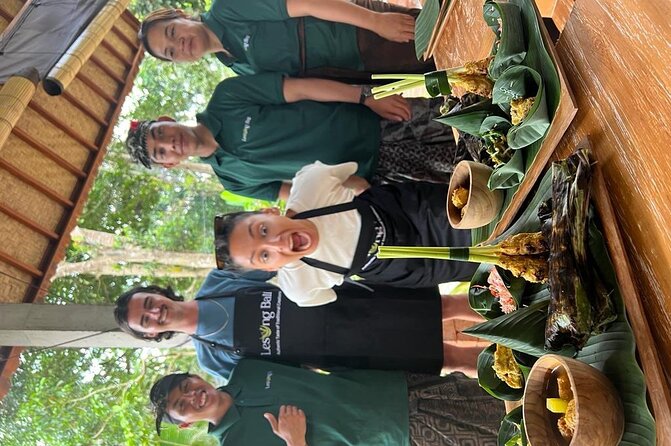
The experience begins with a guided visit to a local market. This is not just a quick stop to admire piles of produce. You select the ingredients used later in the class, which gives the shopping a clear purpose.
I like this part because it helps you see Balinese cooking as a daily practice rather than a set of recipes printed on a card. The market is where you connect food with place. You can look at the produce, see local vendors at work, and understand that the meal ahead begins long before anyone turns on a stove.
The information provided does not name the market or list the exact dishes. That means you should not book expecting a fixed menu of specific foods. The ingredients and meal may vary, but that can also be part of the appeal. Fresh cooking in Bali often follows what is available that day.
A guided market visit is especially useful if you are not familiar with local ingredients. You may find items you would not know how to choose on your own. The guide can connect those ingredients to the dishes you will prepare, making the later cooking lesson easier to follow.
You should also allow for a little unpredictability. Market visits can take more or less time depending on the group and the shopping process. With a maximum of 15 people, the group is not tiny, but it is smaller than a large coach excursion. That should make the ingredient selection easier to manage.
More Cooking Classes in Ubud
- Ubud Cooking Class Bali with Balinese Chef
★ 5.0 · 1,609 reviews - PRIVATE Authentic Balinese Cooking Class in Ubud at Putu’s Home
★ 5.0 · 644 reviews - Balinese Ubud cooking school (9 Dish Cooking and Market Tour)
★ 5.0 · 540 reviews
From Local Vendors to Farm-Fresh Cooking
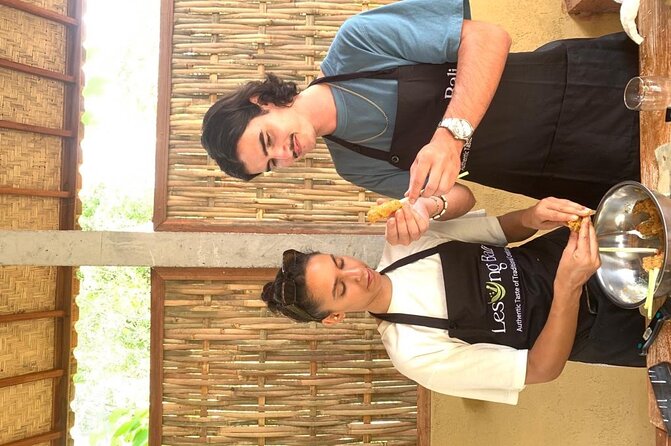
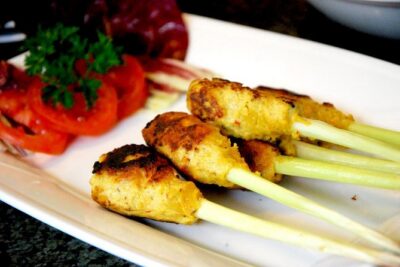
After the market, the program shifts to a hands-on cooking class. You prepare traditional Balinese dishes with the help of a local expert, using organic ingredients harvested from the farm.
That farm connection gives the lesson more meaning. You are not simply copying a dish in a demonstration kitchen. The food is tied to the place around you, and the class shows how fresh produce becomes a meal. I like this because it brings together the market, the farm, and the table in one short outing.
The wording does not specify how much preparation you do yourself, so expect a practical class rather than a professional culinary course. You should be ready to take part, follow instructions, and work with the ingredients provided. The goal is a taste of Balinese home cooking and food traditions, not advanced chef training.
A recipe in PDF format is included. That matters if you want to repeat the meal at home, though a digital recipe is less convenient in the kitchen than a printed handout. Save it before leaving or make sure you can access it later.
Bottled water is also included. Lunch comes at the end, so you should not treat the class as a replacement for breakfast if you tend to get hungry early. The scheduled duration is about three hours and 30 minutes, and much of that time is shared between market shopping, cooking, cultural visits, and eating.
Cooking With Ubud Countryside Views
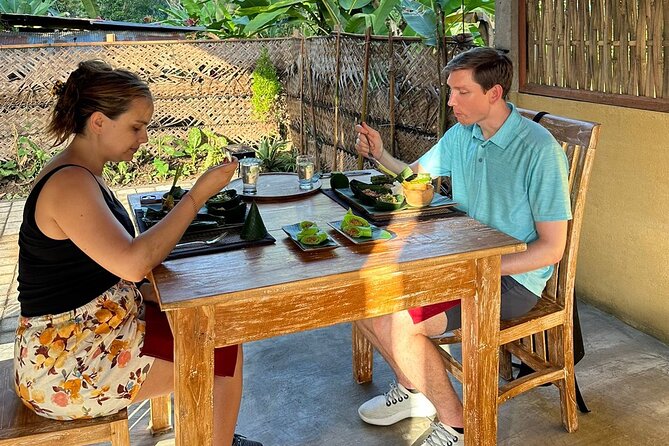
The cooking location offers views of the surrounding countryside. This gives the class a calmer setting than a busy restaurant kitchen and helps explain why the tour is presented as a farm-to-table outing.
I would value the setting most during the cooking itself. Preparing food becomes more pleasant when you can look out across the countryside rather than stare at four walls. It also creates a stronger sense of place, especially for someone who wants a break from Ubud’s central streets.
The word picturesque can cover a lot of ground, so keep expectations sensible. The available details do not promise a particular view, a terrace, or a specific farm feature. You are promised countryside scenery and a tranquil location, not a complete working-farm tour.
That distinction matters when weighing the cost. Part of what you pay for is the full setting and cultural program, not just instruction in making lunch. If you want the cheapest way to learn a Balinese recipe, a simpler class may offer better value. If the setting and connection to local life matter to you, this outing makes a stronger case for its price.
A Visit Inside a Balinese Family Home
The program includes a visit to a local Balinese family in their home. This is one of the most meaningful parts because it shifts the focus from food to daily life.
A family home can show you how people live in a way that a restaurant or staged cultural show cannot. You get a chance to learn about Balinese traditions and the island’s way of life through a personal setting. The visit is brief within a three-and-a-half-hour schedule, so do not expect an extended homestay or a detailed village program.
The available information does not say how long you stay, which family hosts the visit, or exactly what you see there. I would treat it as a short cultural stop that adds context to the cooking experience. The value comes from the setting and the chance to connect food with family life, not from a long list of planned activities.
You should also approach the visit respectfully. You are entering someone’s home, so listen carefully, follow the guide’s instructions, and remember that this is a real household rather than a museum display. That personal element can be rewarding, but it also calls for a quieter and more considerate attitude.
A few more Ubud trips worth weighing up
- Balinese Farm Cooking Class by Pemulan Bali
★ 5.0 · 410 reviews - From Ubud: Authentic Bali Farm Cooking School & Organic Farm
★ 5.0 · 122 reviews - Balinese Cooking Class at Organic Farm
★ 5.0 · 51 reviews - Small-Group Farm Tour & Balinese Cooking Class in Ubud with Kadek
★ 5.0 · 16 reviews
Lunch You Helped Prepare
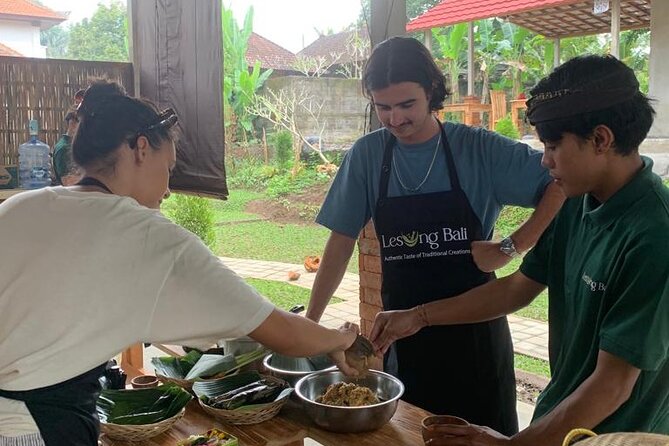
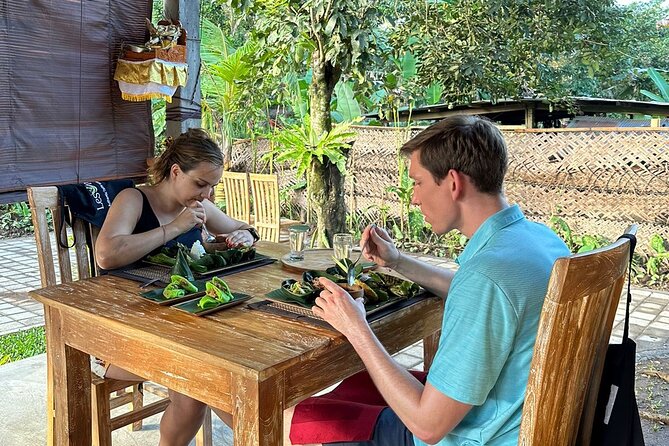
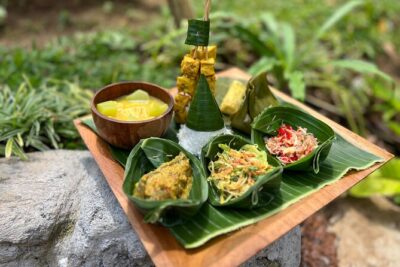
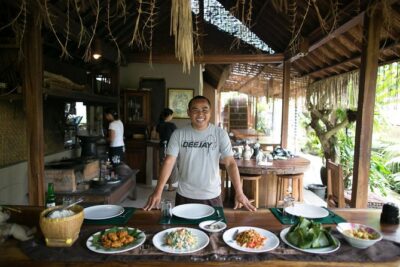
The final stage is lunch. You sit down to eat the dishes prepared during the class, with bottled water included.
This is a simple but important design choice. Eating the finished meal gives the class a clear payoff. You are not left wondering what happened to the food, and you can judge the recipes while the techniques are still fresh in your mind.
The menu is not specified, so you should not expect to choose from several dishes or request a particular meal. The food will be based on the traditional Balinese cooking session and the ingredients available for the class.
I like this kind of lunch because it turns the meal into a shared experience. You have watched the ingredients arrive, worked with them, and then tasted the result. That sequence gives the food more meaning than a standard restaurant lunch.
If you have allergies or dietary restrictions, the supplied information does not explain whether substitutions are available. You should ask the provider before booking rather than assume the menu can be changed. The tour is described as using organic ingredients, but organic does not automatically mean suitable for every diet.
What the Three-and-a-Half-Hour Schedule Means
The total duration is approximately three hours and 30 minutes. Pickup and drop-off in the Ubud area are offered, so the actual time away from your accommodation may be longer once driving is included.
That makes this a useful half-day plan. You can fit it into a morning or afternoon without giving up an entire day in Ubud. At the same time, the schedule has several parts to cover: the market, the farm-based cooking session, the family visit, countryside time, and lunch.
You should expect each section to be focused rather than lengthy. If you want a slow market exploration, a long cooking lesson, and a detailed home visit, the timetable may feel tight. If you prefer a compact introduction to Balinese food and culture, the pacing should suit you better.
Pickup is limited to the Ubud area according to the provided details. If you are staying outside Ubud, do not assume transport is included. Confirm the pickup boundary before paying, since a transfer from another part of Bali could change the value and practical ease of the day.
The maximum group size is 15 people. That is large enough for a social class but small enough to avoid the scale of a major bus tour. Your hands-on time may still depend on how many cooking stations and utensils are available, details that are not provided.
Is the $47.31 Price Fair?
The listed price is $47.31 per person. That includes lunch, bottled water, Ubud-area pickup and drop-off, and a PDF recipe. It also covers several different elements: market shopping, cooking instruction, organic farm ingredients, countryside views, and a family-home visit.
On paper, that is a reasonable package if you care about the complete experience. You are paying for more than a meal and more than a cooking demonstration. Transport and lunch reduce the number of extras you need to arrange yourself.
But Bali offers many cooking classes at different price points. One person reported being charged around AUD180 and felt the outing was too expensive compared with cheaper alternatives offering a similar experience. That concern deserves attention. Currency conversion, booking conditions, or the final charged amount may explain the difference, so check the exact total before confirming.
I would compare this experience with other Ubud classes by asking four questions:
- Does the price include transport?
- Is a market visit included?
- Is lunch included?
- Does the program include a home or farm visit?
If the answer is yes to all four, the price may be easier to justify. If another class offers the same combination for much less, this one becomes harder to recommend on value alone.
Group discounts are available, which may help if you are booking with family or friends. Mobile ticketing is also offered, and confirmation is received at the time of booking. Those are practical advantages, though they do not change the basic question: are you paying for a wider cultural experience or only for the cooking lesson?
Who Will Enjoy This Ubud Experience Most?
I would recommend this outing to people who want food to be their way into Balinese culture. You get a market, farm ingredients, a cooking class, a family-home visit, and lunch in one compact program.
It should suit couples, families, and small groups who prefer doing something together rather than sitting through a passive demonstration. The group limit of 15 also makes it more appealing than a very large class.
It is a good match if you value:
- A practical cooking lesson
- Local ingredients and organic produce
- A countryside setting
- A glimpse of family life
- Pickup within the Ubud area
- A recipe to use after the holiday
I would be more cautious if your main goal is the lowest possible price. The AUD180 charge described by one customer suggests that the final cost can feel high, and cheaper alternatives may exist. I would also look elsewhere if you need a guaranteed menu, detailed dietary arrangements, or a long cultural visit, since those points are not provided.
The class is not presented as an advanced culinary course. If you already cook Balinese food regularly, you may find the lesson basic. For most people, though, the combination of shopping, cooking, eating, and cultural contact gives the outing a clear purpose.
Booking, Weather, and Cancellation Details
Free cancellation is available if you cancel at least 24 hours before the start time. Cancel within 24 hours, or request changes during that period, and you will not receive a refund.
The experience depends on good weather. If poor conditions force a cancellation, you will be offered another date or a full refund. The provider also requires a minimum number of participants. If that minimum is not reached, you can choose another date or experience, or receive a full refund.
The exact cutoff uses local time in Bali. I would book only after checking your Ubud schedule carefully, especially if you have a flight, another tour, or a fixed transfer later that day.
Should You Book the Farm-to-Table Cooking Experience?
Book it if you want a food-focused cultural outing rather than a cooking lesson alone. The market visit, organic farm produce, countryside setting, family-home stop, and included lunch create a fuller picture of Balinese life.
Pause before booking if price is your top concern. At $47.31 per person, the package can make sense, but the reported AUD180 charge shows why you should verify the final amount and compare similar Ubud classes.
For me, the strongest reason to choose this experience is the connection between ingredients, people, and place. You select food at the market, prepare it with local guidance, learn about family life, and eat the result. That is a good half-day introduction to Bali, as long as you accept the short schedule and confirm the price before you go.
FAQ
Where does the cooking experience take place?
The experience is based in Ubud, Indonesia, with pickup and drop-off offered in the Ubud area.
How long does the experience last?
The approximate duration is three hours and 30 minutes.
Is transportation included?
Pickup and drop-off in the Ubud area are included.
Is lunch included?
Yes. Lunch is included, and you eat the food prepared during the cooking session.
Is bottled water provided?
Yes. Bottled water is included.
Will I visit a local market?
Yes. The experience begins with a guided market visit where you select fresh ingredients from local vendors.
Are organic ingredients used?
Yes. The cooking session uses organic ingredients harvested from the farm.
Does the program include a visit to a Balinese home?
Yes. You visit a local Balinese family in their home and learn about daily life and local traditions.
How many people can join the experience?
The maximum group size is 15 people.
What is the cancellation policy?
You can cancel for a full refund up to 24 hours before the experience start time. Cancellations or changes made within 24 hours are not refunded. If bad weather or an insufficient number of participants causes the provider to cancel, you will be offered another date or experience, or a full refund.
Just added around Ubud
- Bali Waterfalls Private Day Tour★ 5.0 · 3 reviews
- Ubud Zip-Line Adventure, Rice Terrace & ATV Quad Bike★ 5.0 · 3 reviews
- Mount Batur Jeep Sunrise with Breakfast★ 5.0 · 3 reviews
- Balaji Adventure Bali Quad Bike 350cc and Ayung Rafting★ 4.5 · 3 reviews
- Full Day Kintamani Volcano View and Batur Natural Hot Spring★ 5.0 · 3 reviews
- 6 Hours Private Dirt Bike Tour in Ubud★ 5.0 · 3 reviews
- Lovina Sunrise Dolphin with option snorkeling and waterfall★ 3.5 · 3 reviews
- Discover the Balinese Gamelan★ 4.5 · 3 reviews
Cooking Classes, compared.
PRIVATE Authentic Balinese Cooking Class in Ubud at Putu’s Home
Read our review →
Balinese Ubud cooking school (9 Dish Cooking and Market Tour)
Read our review →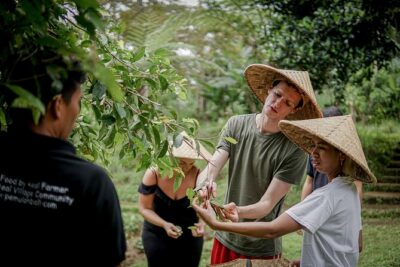
PRIVATE Balinese Cooking Class in Ubud with Dewa with Transfers
Read our review →Browse the lists this tour appears in