
Reviewed · COOKING CLASSES
Balinese Authentic Cooking Class in Ubud
Cook Bali, then taste the culture. This half-day experience combines a morning market visit and traditional Balinese home with hands-on cooking at a countryside farm west of Ubud. I like the small-group format, which allows plenty of help, and the choice of regular, vegetarian, or vegan menus. The main catch is that the market visit is available only with the morning class.
I also like that the food is built around fresh ingredients gathered from the farm, rather than a staged kitchen demonstration. The possible drawback is transport: pickup is included only within Ubud, with extra car charges from areas such as Kuta, Seminyak, Sanur, Canggu, Jimbaran, Nusa Dua, and Uluwatu.
In This Review
- What Makes This Ubud Cooking Class Special
- A Five-Hour Taste of Rural Ubud
- The Morning Market: Spices Before the Stove
- Inside a Traditional Balinese Family Compound
- From Farm to Cutting Board
- Traditional Techniques You Actually Practice
- What You Eat at the End
- Small Group, Personal Teaching
- Pickup and the Real Cost of the Experience
- Choosing the Right Class Time
- What Could Be Better
- Who Should Book This Experience?
- Should You Book the Lesung Bali Class?
- FAQ
- How long does the Balinese cooking class last?
- Where does the cooking class take place?
- Does every class include a traditional market visit?
- Can I choose a vegetarian or vegan menu?
- Is transportation included?
- How many people can join the class?
- What happens if the class is canceled because of weather or low enrollment?
What Makes This Ubud Cooking Class Special
- The morning class includes a traditional market visit, where you can see local produce and buy spices used in the cooking.
- A Balinese family compound adds cultural context, including an introduction to local home design, family life, and daily customs.
- The farm supplies many of the cooking ingredients, giving you a direct connection between the garden and your plate.
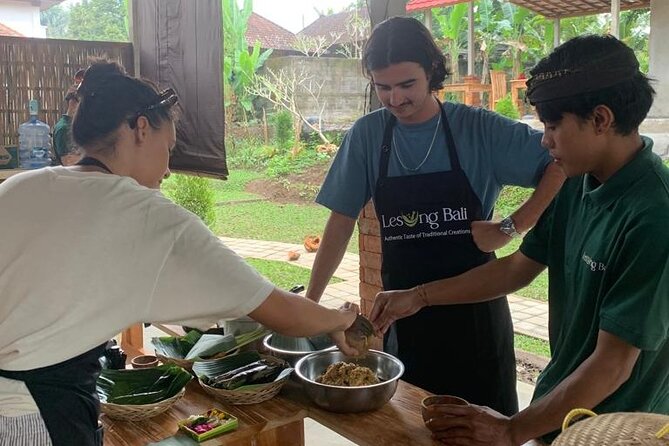
- You prepare several dishes by hand, including spice pastes made with a traditional lesung, or mortar and pestle.
- Regular, vegetarian, and vegan menus are available, so the class works for different diets.
- Small groups of up to 15 people mean more personal attention than a large demonstration class.
A Five-Hour Taste of Rural Ubud
The class lasts about five hours, but the day is not simply five hours at a stove. The program moves through several parts of Balinese life: market trade, family compounds, farming, food preparation, and shared eating.
That mix is what gives the experience its value. You are not only learning how to make a plate of food. You are seeing where ingredients come from, how homes are arranged, and how traditional cooking depends on patient preparation.
The setting is on the west side of Ubud, surrounded by greenery and a countryside atmosphere. That matters because it feels separate from Ubud’s busy central streets. You get time to slow down, listen, and ask questions without the feel of a rushed restaurant kitchen.
You can choose a morning, afternoon, or evening class. Each option includes the cooking portion, but only the morning schedule includes the market tour. If local food shopping is important to you, book the morning session. If you prefer a later start, the afternoon or evening class still includes the house, farm, and cooking activities.
More Cooking Classes in Ubud
- Ubud Cooking Class Bali with Balinese Chef
★ 5.0 · 1,609 reviews - PRIVATE Authentic Balinese Cooking Class in Ubud at Putu’s Home
★ 5.0 · 644 reviews - Balinese Ubud cooking school (9 Dish Cooking and Market Tour)
★ 5.0 · 540 reviews
The Morning Market: Spices Before the Stove
The morning option begins with a visit to a traditional local market. You see the fruits, vegetables, herbs, and spices that form the base of Balinese cooking, then buy some of the ingredients needed for the class.
This is a useful introduction because Balinese recipes often depend on combinations of ingredients rather than one dominant flavor. Garlic, chilies, shallots, ginger, turmeric, and other spices are chopped or pounded together to create a paste. Seeing these ingredients in their everyday market setting makes the later cooking lesson easier to understand.
You may also have a chance to sample local fruit. That small detail helps turn the market into more than a shopping stop. It gives you a chance to taste unfamiliar produce and see what local families actually buy.
The market visit is not part of the afternoon or evening schedules, so do not assume every departure includes it. If you want the fullest cultural program, the early start is the better pick.
Inside a Traditional Balinese Family Compound
After the market, the program continues at a local Balinese house. You are shown the grounds and learn about the way buildings are placed within a family compound, along with Balinese family life and daily customs.
The house visit gives the cooking class a wider frame. Food in Bali is closely tied to family, ceremonies, religious practice, and shared work. Understanding the compound helps explain why cooking is often more than a private household task.
The visit is generally relaxed. Coffee, tea, Balinese cake, steamed banana pudding, fruit, and other local snacks may be offered before the cooking begins. This pause is welcome, especially after an early market visit, and gives you time to speak with the host.
One point to keep in mind is that the exact house experience can differ. The main activity is a tour of the compound and grounds, and you may not see every interior room. It is best approached as a cultural introduction rather than a formal house museum visit.
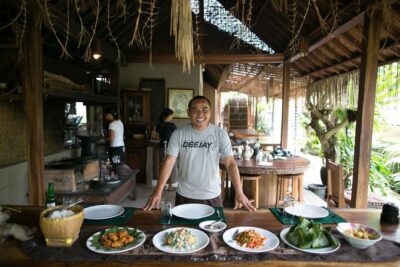
Several instructors have been praised for adding personal context. Ron is described as funny, warm, and clear in his explanations. Putri receives especially strong praise for her patience and detailed teaching. Other classes may be led by Don, Gustie, or Begul, so your instructor depends on the scheduled session.
From Farm to Cutting Board
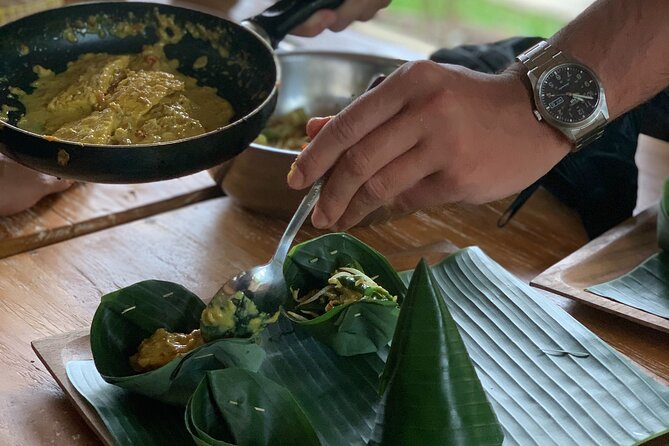
The next stop is the farm, where you explore the growing area and harvest spices for the class. This is one of the most practical parts of the experience because you handle the ingredients before preparing them.
You see that the cooking is not based on anonymous packets pulled from a cupboard. Fresh ingredients are gathered close to the kitchen, then brought into the lesson. The farm setting also gives you a better sense of how herbs and spices fit into everyday Balinese food.
The grounds are described as clean, attractive, and peaceful, with a separate cooking area and the tools needed for the class. It is still a garden setting, not a polished culinary school, which is part of its appeal. You get a rural setting without giving up basic comfort.
The experience can also be meaningful for people interested in food traditions and sustainable cooking. You can see the connection between garden, preparation, and meal instead of treating each dish as a recipe disconnected from its source.
A completely different kind of day out in Ubud:
- All-Inclusive Ubud Private Tour
★ 5.0 · 14,344 reviews - Best of Ubud Full-Day Tour with Jungle Swing
★ 5.0 · 8,571 reviews - Ubud: Monkey Forest, Jungle Swing, Rice Terrace, and Water Temple
★ 5.0 · 7,160 reviews - Best of Ubud 1-Day Private Tour
★ 5.0 · 4,451 reviews
Traditional Techniques You Actually Practice
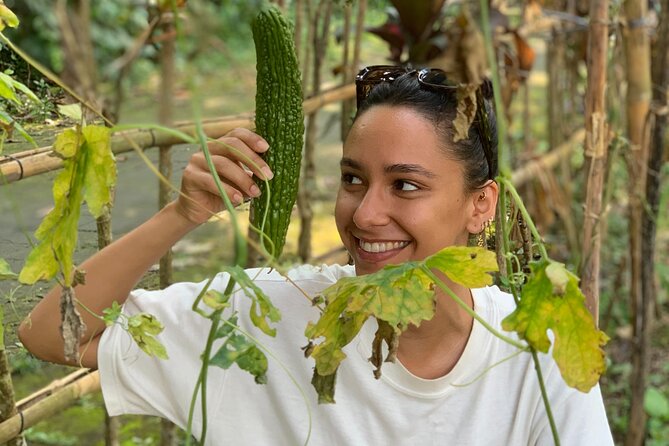
This is a hands-on class, not a seat-and-watch demonstration. You chop ingredients, prepare spice mixtures, and use a lesung, the large traditional mortar and pestle used to pound spices.
That technique is physical and slower than using a modern blender. It also changes how you understand the food. The pounding releases aroma and turns separate ingredients into the base of a complete Balinese flavor profile.
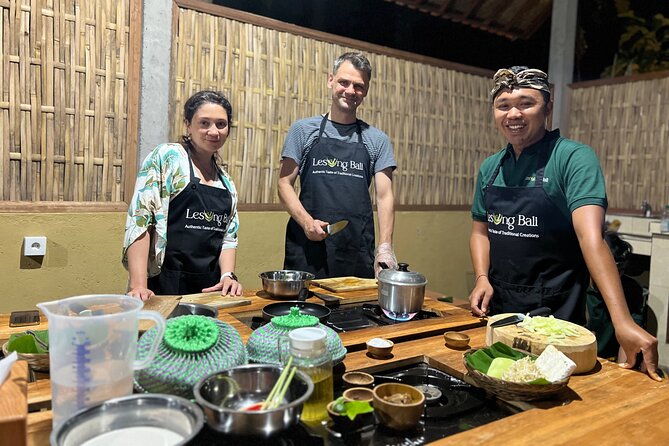
The chef explains how much of each ingredient to use, how to cook it, and what changes are needed for the selected menu. You receive help throughout the preparation, making the class suitable for experienced cooks and complete beginners.
The teaching style is friendly and informal. Ron is praised for his humor and easy manner, while Putri is noted for explaining each step carefully. Begul is described as funny and approachable, though one participant felt that some small spices were added before they had been fully explained. If you want to understand every ingredient, ask questions as you cook.
You should also expect some shared preparation. Most of the cooking is hands-on, but not every part is necessarily completed by each person. One participant would have preferred to prepare the rice personally. That is a minor issue, but it is useful to know if your main goal is to cook every single component from start to finish.
What You Eat at the End
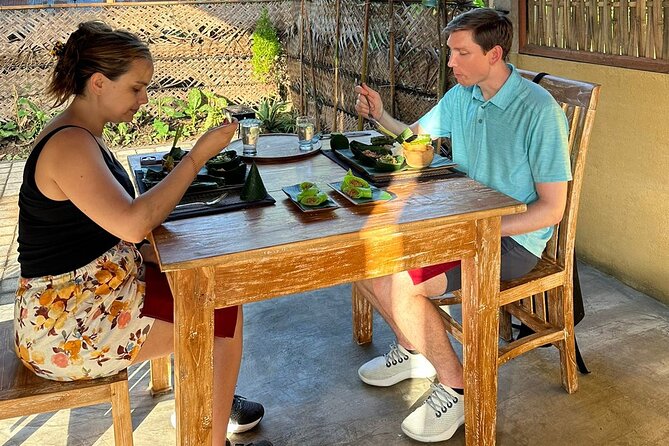
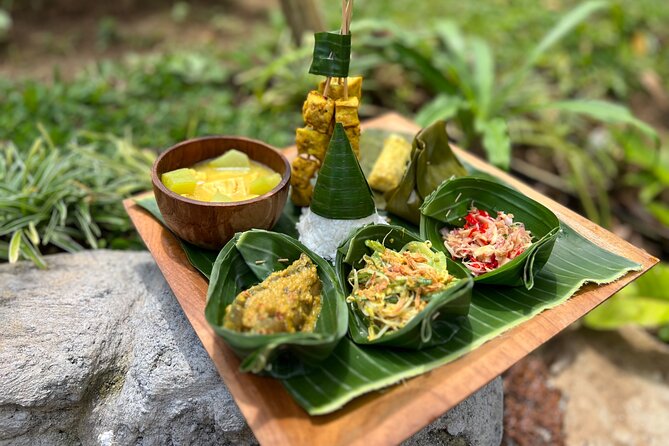
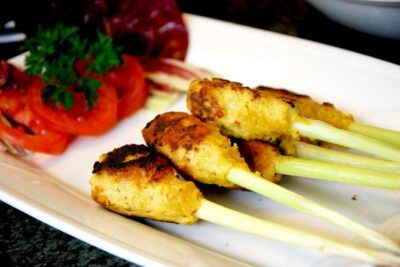
The meal is the reward, and the portions appear generous. Several sessions involve preparing six dishes, including a dessert, although the exact menu can vary by regular, vegetarian, or vegan selection.
The regular menu is the choice for people who want a broad taste of classic Balinese cooking. Vegetarian and vegan menus allow you to take part without simply receiving a plate of side dishes. You choose the menu during the class, according to the available options.
The meal is served after the preparation, so you can taste the results while the instructions are still fresh. This makes it easier to remember which spices created each flavor and how the cooking methods affected the final dishes.
Come hungry. The amount of food can be substantial, and participants have found themselves with more than they could finish. Coffee, tea, mineral water, and a Balinese cake are included as well.
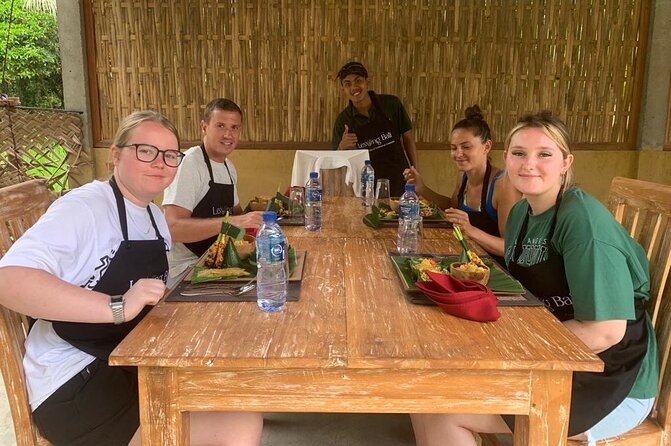
The meal is also a social part of the class. A small group makes it easier to compare dishes, share mistakes, and talk with the chef. Solo visitors can fit in comfortably, while couples and families have enough space to work together.
Small Group, Personal Teaching
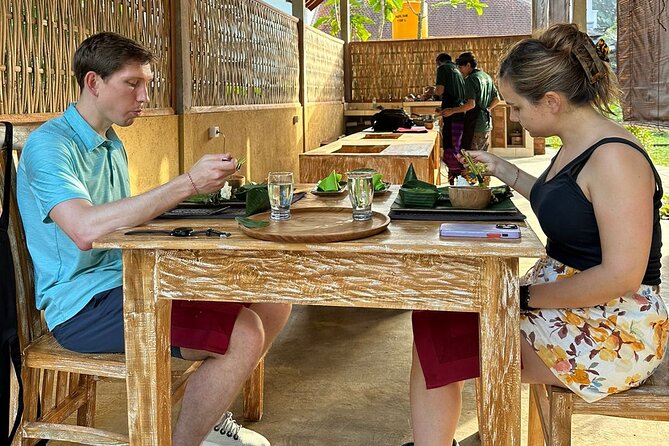
The maximum group size is 15 people, but some sessions may be much smaller. One morning class had only one participant, resulting in a private market tour and cooking lesson.
A small group makes a real difference here. Spice preparation can be confusing if you are standing far from a demonstration, but close instruction lets you see the texture, color, and consistency of each mixture. You can also ask for help when handling the lesung or balancing the spices.
The class is well suited to beginners. You do not need advanced kitchen skills, and the instructors guide you through the work. At the same time, people who already enjoy cooking should find enough detail in the traditional techniques and ingredient explanations to stay interested.
Families can also enjoy the activity, particularly if children are old enough to take part safely in chopping and mixing. The available information does not specify a minimum age, so families should confirm that point before booking.
Pickup and the Real Cost of the Experience
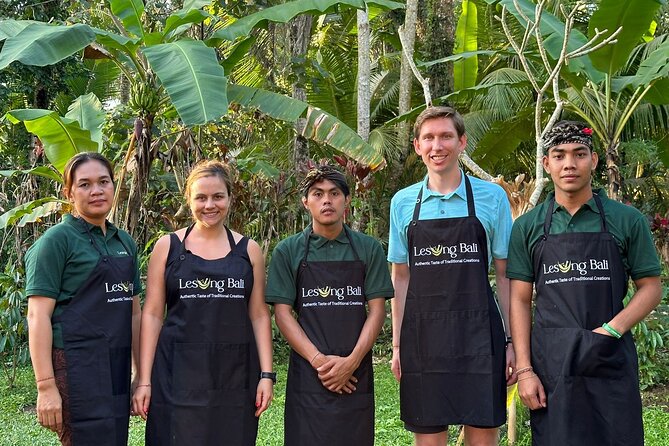
The price is about $39.71 per person. For a five-hour activity that includes transportation within Ubud, market or cultural visits depending on the schedule, farm access, instruction, food, drinks, and taxes, I consider it a strong value.
The comparison is not only with the price of a meal. You are also paying for the chef’s time, the ingredients, the cultural visits, and the transport. A restaurant meal may cost less, but it will not teach you how the spice paste was made or show you how the ingredients were grown.
Pickup and drop-off are included within the Ubud area. Outside Ubud, additional transportation costs apply:
- Kuta, Seminyak, Sanur, and Canggu: IDR 450,000 per car
- Jimbaran and Nusa Dua: IDR 500,000 per car
- Uluwatu: IDR 550,000 per car
Those charges can make the experience less attractive for a solo visitor staying far from Ubud. For a group sharing one car, the extra cost is easier to justify. Check your hotel location before booking and include the transport fee in your budget.
The vehicle is air-conditioned, and mineral water is included. These are modest details, but they help on a warm Bali day.
Choosing the Right Class Time
The morning class is the best option if you want the full sequence: market, house, farm, cooking, and meal. It also gives you the clearest look at local shopping and fresh ingredients.
The afternoon class suits people who do not want an early start. You still receive the cultural visit, farm tour, and cooking lesson, but the market stop is not included.
The evening class works well for anyone who wants a cooking activity later in the day. It can also be a pleasant way to finish a day in Ubud, with the meal serving as your dinner. Communication about pickup has been clear and punctual in many sessions, but you should still confirm the meeting details after booking.
What Could Be Better
The experience receives a five-star rating from 239 reviews, with 100 percent recommending it, so the overall response is unusually strong. Still, no cooking class is perfect for every person.
The main limitation is that the schedule can feel busy when several activities are packed into half a day. One participant found parts of the cooking lesson slightly rushed, especially when the chef added small amounts of seasoning without pausing to explain each one.
The program also depends on weather and a minimum number of participants. If poor weather or low enrollment forces cancellation, you are offered another date, another experience, or a full refund. Free cancellation is available up to 24 hours before the start time. Inside that window, changes are not accepted and the payment is not refunded.
The market is also limited to the morning option. If you book later in the day, you are choosing convenience over the complete itinerary.
Who Should Book This Experience?
I would recommend this class to anyone who wants more than a quick cooking demonstration. It suits curious eaters, first-time cooks, solo visitors, couples, families, and people who want a gentle introduction to Balinese homes and food traditions.
You will get the most from it if you enjoy asking questions and taking part. The class is not ideal if you want a formal restaurant-style lesson with exact written measurements and every preparation step handled individually. It is a friendly cultural activity first, with cooking at its center.
Vegetarians and vegans should find the menu choice especially useful. People with allergies or strict dietary needs should confirm the available ingredients before booking, since the supplied information does not list specific allergy procedures.
Should You Book the Lesung Bali Class?
Yes, especially if you are staying in Ubud and can choose the morning schedule. The combination of a traditional market, Balinese family compound, farm visit, and hands-on meal gives you a fuller picture of local food than a kitchen class alone.
Book the morning session for the strongest cultural program. Choose afternoon or evening if timing matters more than the market. At about $39.71 per person, the class offers good value, provided you are within the free Ubud shuttle area or sharing the extra transport cost with a group.
FAQ
How long does the Balinese cooking class last?
The experience lasts approximately five hours.
Where does the cooking class take place?
The class takes place on the west side of Ubud, in a countryside area surrounded by greenery and a farm setting.
Does every class include a traditional market visit?
No. The traditional market tour is included with the morning class only.
Can I choose a vegetarian or vegan menu?
Yes. Regular, vegetarian, and vegan menu options are available, and you can choose during the class.
Is transportation included?
Free shuttle pickup and drop-off are included within the Ubud area. Transport from outside Ubud requires an additional car fee.
How many people can join the class?
The activity has a maximum of 15 participants.
What happens if the class is canceled because of weather or low enrollment?
You are offered a different date or experience, or a full refund. Free cancellation by the customer is available up to 24 hours before the start time.
Just added around Ubud
- Kintamani Batur Jeep Sunrise Tour★ 5.0 · 3 reviews
- Bali Downhill Cycling and White Water Rafting★ 5.0 · 3 reviews
- Ubud Highlights Rice Terraces, Temple, Waterfall & Monkeys forest★ 5.0 · 3 reviews
- Bali ATV Quad Bike & Ayung River Rafting Combo with Lunch★ 5.0 · 3 reviews
- Half Day Uluwatu Temple Sunset, Kecak Dance and Seafood Dinner★ 3.5 · 3 reviews
- Blue Lagoon Snorkeling and Lunch with Tukad Cepung Waterfall★ 5.0 · 3 reviews
- Ancien Wisdom and Culture tour★ 5.0 · 3 reviews
- Full-Day Tour in Nusa Penida Island + Snorkeling Experience★ 5.0 · 3 reviews
Cooking Classes, compared.
PRIVATE Authentic Balinese Cooking Class in Ubud at Putu’s Home
Read our review →
Balinese Ubud cooking school (9 Dish Cooking and Market Tour)
Read our review →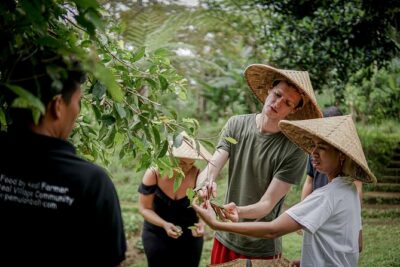
PRIVATE Balinese Cooking Class in Ubud with Dewa with Transfers
Read our review →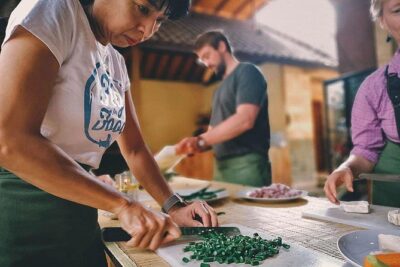
Balinese Cooking class with traditional morning market visit
Read our review →Browse the lists this tour appears in