
Reviewed · COOKING CLASSES
Vegetarian Ubud Cooking Class Bali
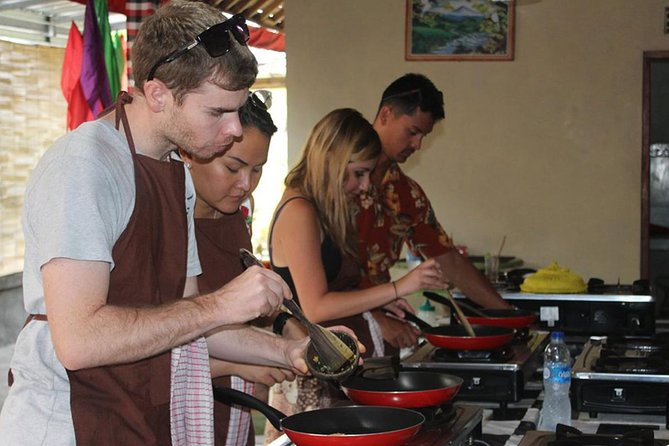
Come hungry and ready to work. This four-hour Ubud cooking class gives you more than a meal: you visit a local traditional market, learn how Balinese spice pastes are made in an ulekan, and prepare nine vegetarian dishes with tofu, tempe, and fresh vegetables. I especially like the market visit and the chance to learn the food from a professional English-speaking chef rather than simply watching a demonstration.
The class also offers morning or afternoon sessions, with lunch or dinner included, plus bottled water and a digital file of recipes. The main concern is transport reliability. A serious pickup failure was reported, with a guest waiting an hour and receiving no response, so you should confirm your hotel location and pickup details before the day of the class.
In This Review
- What makes this cooking class worth considering
- From central Ubud to the cooking site
- The market visit puts the food in context
- Grinding spices in an ulekan
- Preparing nine Balinese vegetarian dishes
- Lunch in the morning or dinner in the afternoon
- What the $39 price really covers
- The pickup issue deserves attention
- Who will enjoy this experience most
- Seven practical questions to ask before booking
- Should you book the Vegetarian Ubud Cooking Class?
- FAQ
- How much does the Vegetarian Ubud Cooking Class cost?
- How long does the cooking class last?
- Are morning and afternoon sessions available?
- Is hotel pickup included?
- What food is prepared during the class?
- Are recipes and cooking equipment provided?
- Can I cancel or change the booking?
What makes this cooking class worth considering
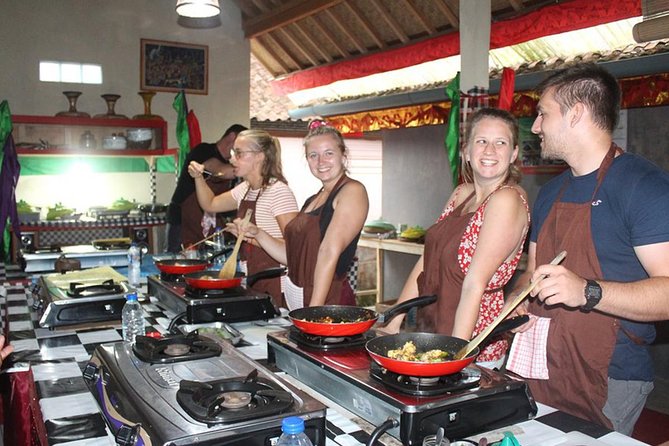
- Nine vegetarian recipes in one session: You prepare a full group of Balinese dishes rather than learning only one signature recipe.
- A traditional market visit: The shopping stop adds context to the meal and helps you see the ingredients before they reach the cooking table.
- Hands-on spice grinding: Using a Balinese ulekan gives you a feel for the work behind the sauces and pastes.
- Morning or afternoon timing: Choose lunch or dinner according to your Ubud plans.
- Central Ubud transfers included: Pickup and drop-off are offered from central Ubud hotels, but the service area needs checking before booking.
- Small maximum group: The class accepts up to 15 people, large enough for a social meal but not a giant demonstration.
From central Ubud to the cooking site
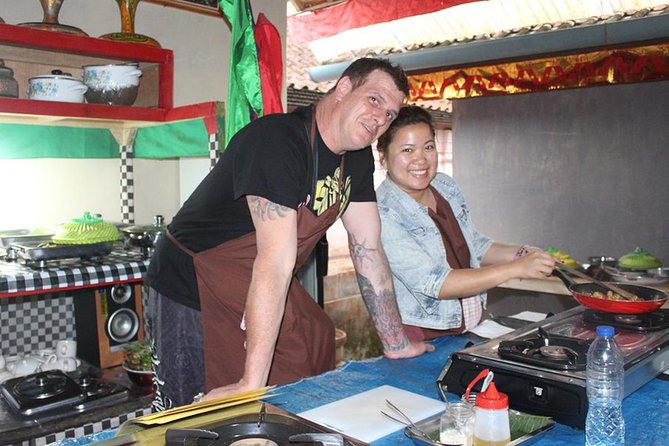
The advertised pickup service is for hotels in central Ubud. If your accommodation is outside that area, you may need to meet the group directly at the cooking location. The stated meeting point is Subak Cooking Class on Jl. Werkudara, Tampaksiring, in Gianyar Regency.
That address matters. Tampaksiring is associated with the wider Ubud area, but it is not the same as being in central Ubud. Ask the operator to confirm the exact pickup boundary, meeting time, and vehicle details. This is especially important because the experience is non-refundable, and changing your plans does not qualify for a refund.
If you meet directly, make sure you have the full address saved on your phone. The activity is near public transportation, but the supplied information does not specify which route or stop serves the cooking site. Do not assume that a central Ubud hotel transfer applies to every hotel around the island.
The group limit is 15 people. That is not an intimate private lesson, but it should be more manageable than a large commercial class. Your actual cooking time may depend on the number of people attending and how the chef organizes the workstations.
More Cooking Classes in Ubud
- Ubud Cooking Class Bali with Balinese Chef
★ 5.0 · 1,609 reviews - PRIVATE Authentic Balinese Cooking Class in Ubud at Putu’s Home
★ 5.0 · 644 reviews - Balinese Ubud cooking school (9 Dish Cooking and Market Tour)
★ 5.0 · 540 reviews
The market visit puts the food in context
The market is one of the most useful parts of the experience. Before you grind spices or prepare vegetables, you get to see the raw materials in their everyday setting. This helps you understand that Balinese cooking is not just about a finished plate. It begins with choosing produce, herbs, seasonings, tofu, and tempe.
I like this part because it gives you something practical to take home. A recipe may tell you to use a certain vegetable or spice, but seeing the ingredient in a market makes it easier to recognize later. You might also gain a better sense of how local cooking uses simple plant-based staples in many different ways.
The market visit is not described as a private shopping tour or a guided food tasting. Personal expenses there are not included, so bring a small amount of local currency if you want to buy something. Keep the visit focused on observation unless the chef explains that purchases are part of the cooking plan.
One caution: the class information does not provide a detailed market schedule or a list of ingredients you will buy. That means the market section may vary according to the day’s lesson and available produce. Think of it as a useful introduction, not a guaranteed shopping experience with a fixed menu.
Grinding spices in an ulekan
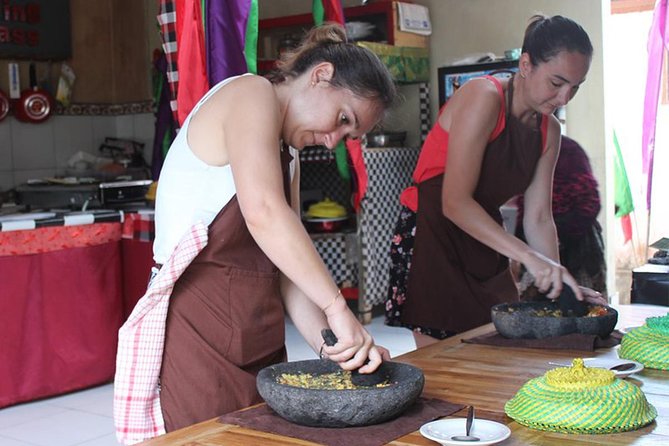
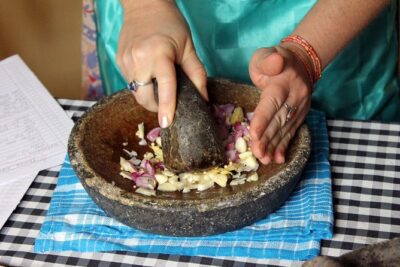
The traditional ulekan is a stone mortar and pestle used to crush and blend ingredients into a spice paste. This is a hands-on step, and it gives the class a stronger connection to Balinese kitchens than using an electric blender would.
The work can be physical. You press, crush, and mix until the ingredients form the right texture. That effort matters because spice paste is often the base of a dish, not a decorative extra added at the end. You begin to understand how aroma and flavor develop before the vegetables or tofu go into the pan.
The class is tailored for vegetarians, so the recipes center on tofu, tempe, fresh vegetables, and other plant-based ingredients. The provided details do not name every dish or confirm whether all ingredients are vegan. If you avoid dairy, eggs, shrimp paste, or other animal products, ask the operator before booking.
This is also a good activity for families and friends. You can divide tasks, compare results, and work through the recipes together. The social side is part of the appeal, though a group of up to 15 means you may not control every step of every dish.
Preparing nine Balinese vegetarian dishes
The biggest selling point is the number of dishes. Nine recipes over roughly four hours gives the class a full rhythm: market visit, ingredient preparation, spice grinding, cooking, and eating. You are not paying for a short demonstration followed by a plate assembled by someone else.
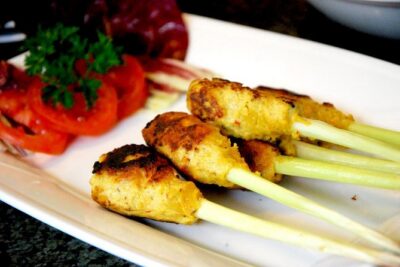
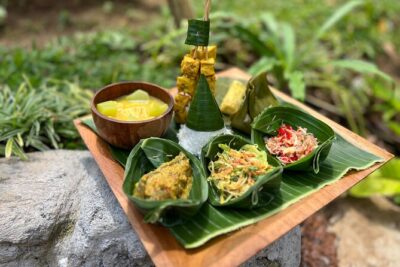
The menu includes tofu, tempe, fresh vegetables, and other Balinese food prepared in a vegetarian style. Since the individual dish names are not supplied, you should not book expecting a particular favorite. Instead, choose the class because you want a broad introduction to Balinese vegetarian cooking.
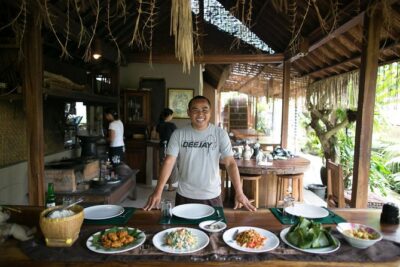
Nine dishes also means variety in technique. Some foods may call for chopping, some for grinding, and others for cooking or combining prepared ingredients. The professional chef guides the group, while the equipment is provided. The class description does not promise a private workstation for each participant, so expect shared cooking equipment or group tasks unless the operator tells you otherwise.
The cooking lesson is taught in English. That is helpful when instructions involve unfamiliar ingredients or traditional tools. Still, the quality of a group class depends on how much individual attention the chef can provide. With 15 people, speak up if you need a step repeated or want to understand why a particular spice paste is prepared in a certain way.
You receive a digital copy of all nine recipes. That makes the class more useful after your Bali trip. Save the file before you leave, and note any ingredient substitutions during the session. Some Balinese ingredients may be difficult to find at home, so the most useful recipe notes will be your own reminders about alternatives and preparation methods.
A few more Ubud trips worth weighing up
- Balinese Vegan Cooking Class with Fresh Harvesting & Garden Tour
★ 5.0 · 86 reviews
Lunch in the morning or dinner in the afternoon
The morning session includes lunch and bottled water. The afternoon session includes dinner and bottled water. Both sessions last about four hours, so this is a substantial block of your day rather than a quick meal activity.
The morning option suits you if you want to finish early and keep the afternoon free for Ubud sightseeing. It also gives you a full meal before continuing with your day. The afternoon option works better if you want a slower morning or prefer to make cooking the main evening plan.
A welcome drink is included. Other beverages are available for purchase, but they are not part of the package. Bring extra money if you want anything beyond the included water and welcome drink.
The meal is part of the lesson, not just an add-on. After preparing the food, you get to sit down and eat what the group has made. That creates a clear reward for the work, though the exact meal depends on the day’s recipes and the way the chef portions the dishes.
What the $39 price really covers
At $39 per person, the price is reasonable if you use the included parts. You receive a professional English-speaking chef, cooking equipment, a welcome drink, nine recipes, a full meal, bottled water, and central Ubud pickup and drop-off where available.
The value is strongest for people who want both instruction and an activity. A simple restaurant meal would cost less in some situations, but it would not include the market visit, cooking practice, spice grinding, or recipe file. You are paying for several connected experiences in one half-day outing.
The price is less attractive if you mainly want to eat and do not care about cooking. The class requires active participation, and four hours is a long time to spend if you would rather tour temples, walk through Ubud, or sit down for a relaxed meal.
Personal market purchases, extra beverages, and insurance are not included. Those costs are easy to manage, but you should know about them before arriving. The package does not mention hotel pickup outside central Ubud, so transportation could reduce the value if you are staying farther away.
The pickup issue deserves attention
The included transfer is one of the most convenient features, but it is also the part that requires the most caution. One serious service failure involved a promised hotel pickup that never arrived. Attempts to contact the operator went unanswered, and a refund was being requested.
That does not prove every pickup will fail, but it is enough reason to take a few sensible steps. Confirm the booking, hotel name, pickup time, and contact number within the 48-hour confirmation window. On the day before the class, ask for written confirmation if possible.
If the operator cannot confirm the transfer, plan how you would reach the Tampaksiring address yourself. Do not wait indefinitely in a hotel lobby without a backup plan. Keep your booking messages and contact attempts in case you need to ask the booking platform for help.
This concern is more important here because the cancellation policy is strict. The experience is non-refundable and cannot be changed for any reason. A missed pickup caused by the operator is a different matter from a guest cancellation, but you will want clear records if something goes wrong.
Who will enjoy this experience most
I would recommend this class to you if you enjoy learning through your hands. It suits vegetarians who want more than a sightseeing tour, families seeking a shared activity, and friends who like preparing food together.
It is also a good choice if you want a practical memory of Bali. The recipes and market context remain useful after the trip, especially if you already cook at home. The class gives you a way to recreate part of the experience instead of leaving Bali with only photographs.
You may want to skip it if you need a fully private lesson, a guaranteed vegan menu, or a precisely listed set of dishes. The menu is described by its vegetarian ingredients rather than by individual recipe names. You should also think twice if your hotel is outside central Ubud and you do not want to arrange transport.
The class has received mixed outcomes. One experience was described as enjoyable, with special care given to the vegetarian member of a group, and praise for both the market visit and the explanation of rice fields. Another ended before it began because of the failed pickup. That contrast makes preparation important.
Seven practical questions to ask before booking
Before paying, confirm three things: your hotel is within the central Ubud pickup area, the operator has your correct contact details, and the menu fits your dietary needs. Those checks take little time and protect you from the main avoidable problems.
If you are booking for a group, decide whether everyone wants to cook or if some people simply want to join the meal. The class is designed around cooking together, so it works best when the whole group takes part.
Also check the session time against your other plans. A four-hour class can run across the middle of your day, and the market visit and transfers add to the overall commitment. The morning and afternoon choices make scheduling easier, but they do not turn this into a short stop.
Should you book the Vegetarian Ubud Cooking Class?
Book it if you want a hands-on introduction to Balinese vegetarian food and value the combination of a market visit, traditional spice grinding, nine recipes, and a cooked meal. At $39, the package offers solid value when the transfer works and you make use of the recipe file.
I would book only after confirming pickup in writing. If you are staying outside central Ubud, meeting directly at the Tampaksiring cooking site may be simpler. This is a good food class with an appealing format, but the strict no-refund rule and the reported transport failure mean you should not treat the logistics casually.
FAQ
How much does the Vegetarian Ubud Cooking Class cost?
The price is $39 per person.
How long does the cooking class last?
The experience lasts approximately four hours.
Are morning and afternoon sessions available?
Yes. You can choose a morning or afternoon session. The morning session includes lunch, while the afternoon session includes dinner.
Is hotel pickup included?
Two-way pickup and drop-off are included for hotels in central Ubud only. You may also meet directly at the cooking location.
What food is prepared during the class?
You prepare nine Balinese vegetarian dishes featuring ingredients such as tofu, tempe, and fresh vegetables.
Are recipes and cooking equipment provided?
Yes. Cooking equipment is provided, and you receive a digital copy of nine Balinese recipes.
Can I cancel or change the booking?
No. The experience is non-refundable and cannot be changed for any reason.
Just added around Ubud
- Bali Waterfalls Private Day Tour★ 5.0 · 3 reviews
- Ubud Zip-Line Adventure, Rice Terrace & ATV Quad Bike★ 5.0 · 3 reviews
- Mount Batur Jeep Sunrise with Breakfast★ 5.0 · 3 reviews
- Balaji Adventure Bali Quad Bike 350cc and Ayung Rafting★ 4.5 · 3 reviews
- Farm-to-Table Balinese Cooking Experience★ 4.0 · 3 reviews
- Full Day Kintamani Volcano View and Batur Natural Hot Spring★ 5.0 · 3 reviews
- 6 Hours Private Dirt Bike Tour in Ubud★ 5.0 · 3 reviews
- Lovina Sunrise Dolphin with option snorkeling and waterfall★ 3.5 · 3 reviews
Cooking Classes, compared.
PRIVATE Authentic Balinese Cooking Class in Ubud at Putu’s Home
Read our review →
Balinese Ubud cooking school (9 Dish Cooking and Market Tour)
Read our review →
PRIVATE Balinese Cooking Class in Ubud with Dewa with Transfers
Read our review →Browse the lists this tour appears in