
Reviewed · COOKING CLASSES
Pure Bali Village Experience, Cooking & Jamu Class+VIP Transfer
Bali gets quieter in the mountains. This eight-hour outing takes you away from the island’s busy resort areas and into the Batukaru region, where you walk through village lanes, gather herbs, make jamu, cook lunch, and lend a hand in a rice field. I like the mix of food, farming, music, and local customs. You are not simply looking at rural Bali through a car window.
I also like the small group limit of 12 and the included hotel pickup and drop-off. That makes a long day easier, especially when the route begins at 7:30 a.m. The main consideration is the pace: you will walk downhill for about 30 minutes, spend time outdoors, and may get muddy while planting rice. The hot spring visit is optional, but the day is still active without it.
In This Review
- Key points before you book
- A 7:30 a.m. pickup into the Batukaru mountains
- Starting with rindik and a walk through the village
- The herb garden and two kinds of jamu
- Cooking lunch in the open-air Paon Bali kitchen
- Rice planting, animals, and stingless bees
- Walking through an authentic Balinese compound
- Ending at Belulang Hot Spring
- What $89 includes, and what it does not
- Who will enjoy this day most
- Practical tips for a smoother visit
- Should you book the Pure Bali Village Experience?
- FAQ
- How long does the Pure Bali Village Experience last?
- What time does the tour start?
- Is hotel pickup included?
- What food will I prepare?
- Can I join if I am vegetarian?
- Is bathing at Belulang Hot Spring required?
- How many people can join the experience?
- What languages are available?
Key points before you book
- Make two types of jamu: Pick herbs from a garden with more than 40 plant varieties, then prepare and taste two traditional herbal drinks.
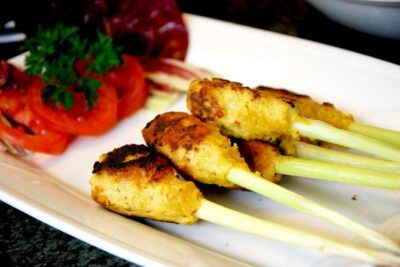
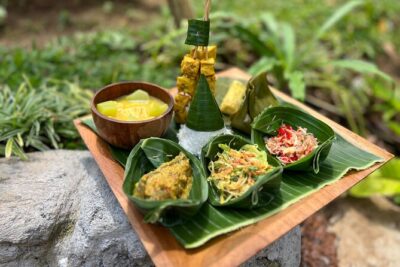
- Cook a full Balinese lunch: Prepare nasi campur tumpeng, sate lilit over a live bamboo grill, and lak lak dessert in an open-air kitchen.
- See village life up close: Walk through rice terraces, visit a traditional Balinese compound, meet farmers, and help plant rice.
- Try more than cooking: Learn the basics of the rindik, a Balinese bamboo instrument, and visit animals and stingless Trigona beehives at Balikaru farm.
- Finish at Belulang Hot Spring: You can take an optional bath at this sacred mountain spring after the village activities.
- Pay one clear price: At $89 per person, the package includes transport, guiding, activities, lunch, a farewell gift, and a cooking certificate sent by email.
A 7:30 a.m. pickup into the Batukaru mountains
The day begins with hotel pickup in an air-conditioned vehicle. From there, the drive heads through tropical scenery, with photo stops along the way. The transfer matters here. This is not an activity beside a central hotel district, and having transport included saves you the trouble of arranging a driver for a full day.
The early start is sensible. Eight hours gives you time for several activities without racing from one stop to the next. It also places the village visit in the cooler part of the day, though Bali weather can still be warm and wet. Wear shoes with a good grip, bring water, and carry something that can handle a little soil.
The drive itself is part of the change in mood. Resort Bali gives way to mountain roads, village homes, fields, and views toward the hills. The photo stop is not a major attraction by itself, but it breaks up the drive and gives you a chance to appreciate the setting before the hands-on work begins.
A few more Bali trips worth weighing up
- Bali Private Car Hire with Driver
★ 5.0 · 2,061 reviews - Electric Cycling Tour of Ubud with Free Hotel Transfer and Lunch
★ 5.0 · 1,397 reviews - Experts Bali Driver : Best Bali Private Driver for Tour in Bali
★ 5.0 · 1,339 reviews
Starting with rindik and a walk through the village
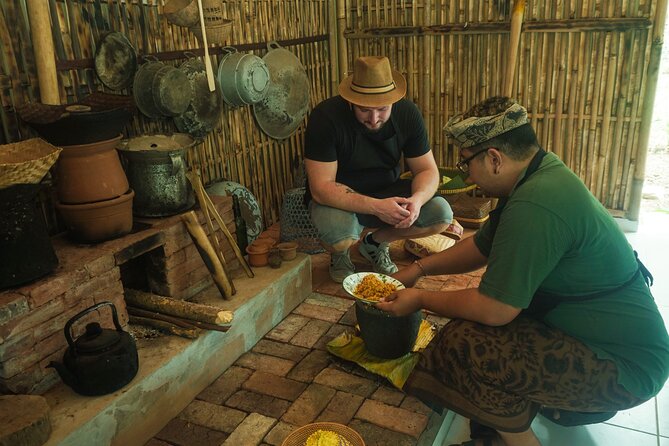
On arrival, the introduction begins with the rindik, a traditional Balinese instrument. You learn how it is played before moving into the wider village program. This is a good opening because it introduces culture through participation rather than a long talk.
Next comes a leisurely walk through the mountain village. The route includes a soft trek of about 30 minutes downhill. You will see rice terraces and mountain views, and you may chat with local people along the way. The downhill section should be manageable for most reasonably mobile visitors, but it is still worth taking seriously. Wet paths can be slippery, and the return route may require some effort.
The village setting is one of the strongest parts of the day. You get a look at ordinary rural spaces rather than a staged performance built only for quick photographs. The visit to an authentic Balinese compound adds context, especially when you learn about Asta Kosala architecture and its connection to Balinese Feng Shui.
The compound visit is not just a house tour. It helps explain how Balinese homes are arranged and how traditional ideas shape domestic space. If you want a better sense of Bali beyond temples and beach clubs, this part earns its place in the schedule.
The herb garden and two kinds of jamu
The garden contains more than 40 varieties of herbs and spices. A guide leads you through the plants, explains their uses, and helps you gather ingredients for jamu. This is a welcome change from the standard cooking class, where ingredients often appear already washed and measured.
Jamu is an Indonesian herbal drink with a long place in everyday health traditions. Here, you prepare and taste two types, along with fruit. The process gives you a better feel for the smells, textures, and strong flavors that can be easy to miss when you only order a finished drink.
I especially like this part for curious eaters. Jamu is one of those local traditions many people never encounter during a first visit to Bali. It is also a useful activity for people who enjoy food with a story, since you handle the plants and then drink the result.
Do not expect a sweet fruit juice. Herbal drinks can have sharp, earthy, or spicy notes, and personal taste will vary. The class lets you try them in a friendly setting, so you are not left guessing what you ordered at a café.
Cooking lunch in the open-air Paon Bali kitchen
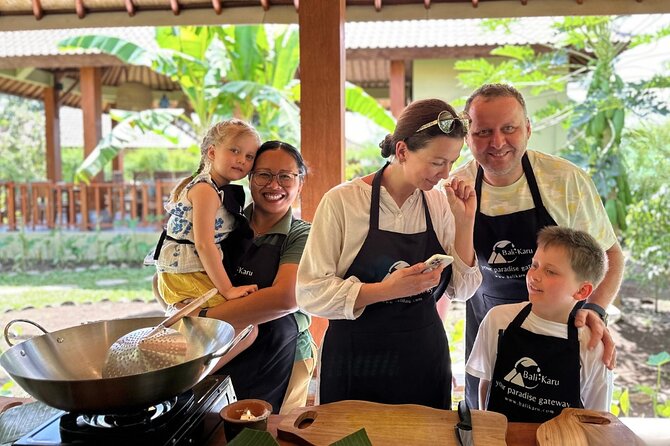
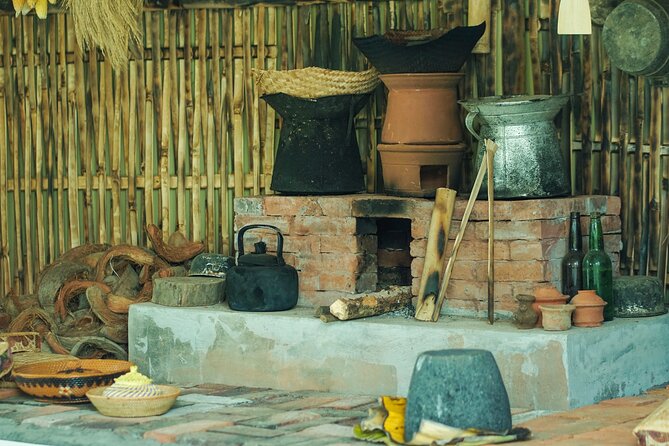
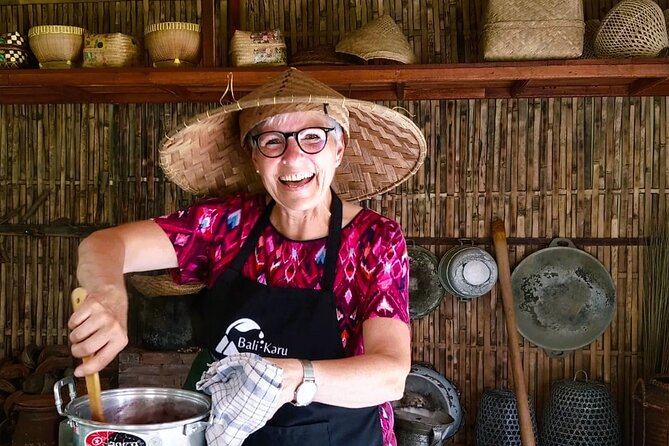
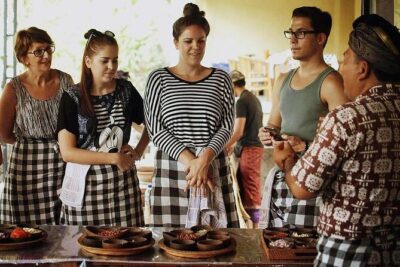
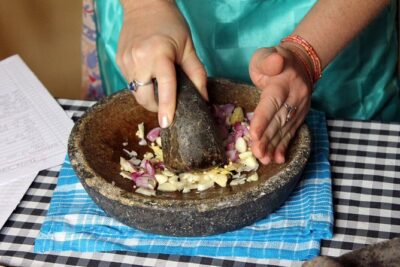
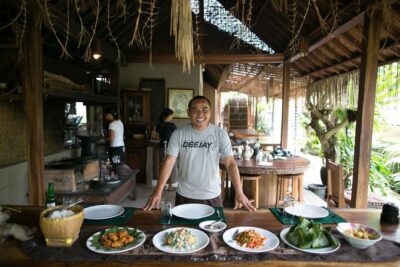
The cooking class takes place at Paon Bali, an open-air Balinese kitchen. A chef guides you through the preparation of a traditional lunch, with the group working together rather than watching a demonstration from a distance.
The meal includes nasi campur tumpeng, dessert, and other dishes prepared during the class. The exact hands-on tasks can depend on the group and the day, but the program specifically includes sate lilit and lak lak.
Sate lilit is particularly fun because you prepare it at a live bamboo grill station. This gives the class a social, practical feel. You are not just chopping vegetables at a counter. You are working with local cooking methods and then eating what you helped make.
Dessert is lak lak, prepared with a traditional clay pot. That detail adds a useful lesson in technique and equipment. The cooking is likely to appeal to families and couples because everyone can take part, and the shared meal gives the day a natural center.
The lunch is listed as Nasi Campur Tumping with dessert, cooked by you during the class. Vegetarian dietary needs can be accommodated if you provide them at booking. Other dietary requirements should also be noted in advance rather than explained at the kitchen door.
More cooking classes in Bali:
- Ubud Cooking Class Bali with Balinese Chef
★ 5.0 · 1,609 reviews - PRIVATE Authentic Balinese Cooking Class in Ubud at Putu’s Home
★ 5.0 · 644 reviews - Balinese Ubud cooking school (9 Dish Cooking and Market Tour)
★ 5.0 · 540 reviews - Balinese Farm Cooking Class by Pemulan Bali
★ 5.0 · 410 reviews
Rice planting, animals, and stingless bees
After lunch, you have the chance to help a farmer plant rice. This is one of the more memorable activities because it connects the food on your plate with the work behind it. Expect an outdoor task rather than a polished photo opportunity. Depending on the conditions, your feet and clothes may get dirty.
The program also includes a visit to Balikaru farm, where you can see animals and stingless Trigona beehives. The chance to feed a cow and meet stingless bees adds variety to the afternoon. You might also learn a traditional instrument earlier in the day, so the experience keeps shifting between food, farming, music, and nature.
These smaller activities help the outing feel less like a single cooking class with extras attached. They show several parts of village life in one visit. At the same time, the number of activities means you should not expect a long, detailed lesson on each one. The value comes from the range and the chance to try things directly.
Walking through an authentic Balinese compound
The village walk continues with mountain views and time to talk with local people. The traditional compound visit gives you a closer look at Asta Kosala architecture, an approach influenced by Balinese spatial principles and Feng Shui.
This is a good place to slow down and ask questions. You can better understand how a home fits into the wider village and why traditional compounds look and function as they do. The experience is strongest for people who want cultural context, not only food and scenery.
The walk is also where the physical demands of the day become clearest. A 30-minute downhill trek sounds modest, but uneven village paths and tropical weather can change the experience. If you have mobility concerns, ask the provider for more detail before booking. The supplied information confirms service animals are allowed, but it does not provide a full accessibility description.
Ending at Belulang Hot Spring
The final stop is Belulang Hot Spring, a sacred spring where bathing is optional. This gives the day a calm ending after cooking, walking, and rice planting.
Some versions of the experience may include or offer a purification ceremony, but the core details here confirm an optional bath at the hot spring. If you want the bathing experience, bring suitable swimwear and a change of clothes. If you prefer not to bathe, the stop can still serve as a final cultural and scenic visit.
The spring is a fitting finish because it adds a spiritual element without making the entire day a religious tour. Visitors interested in Balinese customs may find this especially meaningful. Those who prefer a purely food-focused day should know that the program reaches well beyond cooking.
What $89 includes, and what it does not
At $89 per person, this is not the cheapest cooking class in Bali. It is also not simply a cooking class. Your price covers an air-conditioned vehicle, hotel pickup and drop-off, the scenic drive, a guide, the rindik introduction, the herb garden, jamu preparation and tasting, the cooking class, lunch, rice planting, the farm visit, the village walk, the compound visit, the hot spring stop, a farewell gift, and an emailed cooking certificate.
That is a substantial package for an eight-hour day. If you arranged each part separately, transport alone would add work and expense. The included lunch also means you are paying for a full meal rather than a short lesson followed by your own search for food.
Drinks beyond the included tasting, tips, and personal expenses are not included. Group discounts are available, which could improve the value for families or larger parties. The small group maximum of 12 is another advantage over large coach tours, though the actual group size can vary.
I would call the price fair for someone who wants transport and many activities in one day. It is less compelling for a visitor who only wants to learn a few Balinese recipes. In that case, a shorter local cooking class may offer more time focused on technique.
Who will enjoy this day most
I would recommend this experience to you if you want a broad introduction to rural Bali. It suits people who enjoy food, plants, light walking, farming, and cultural visits in equal measure.
Families can benefit from the variety. Children may enjoy feeding the cow, meeting the bees, planting rice, and making dessert more than listening to a long history talk. Couples and small groups should appreciate the shared cooking and relaxed village setting.
The day also works well for repeat visitors who have already seen the main temples and beach areas. It offers a different view of Bali, with daily work and household traditions at the center.
You should think twice if you dislike getting dirty, walking on uneven paths, or spending a full day away from your hotel. It may also be too broad for serious cooks who want a highly technical lesson with detailed recipes and plenty of time at the stove.
English or German guiding is included. Other languages require a surcharge. At least basic English appears useful, particularly for following the cooking instruction and joining group activities.
Practical tips for a smoother visit
Wear light clothing that allows movement and shoes suitable for a downhill village walk. Rice planting and garden work can leave you muddy, so avoid your best outfit.
Tell the provider about vegetarian needs or other dietary requirements when you book. Do not wait until lunch, since the kitchen needs time to plan substitutions.
The start time is 7:30 a.m., and the experience lasts about eight hours. Keep the day free rather than scheduling a tight afternoon flight, spa appointment, or distant dinner reservation.
Bring a change of clothes if you plan to bathe at Belulang Hot Spring. A small bag for personal items is also useful, especially since you will move between the vehicle, garden, kitchen, farm, village, and spring.
Free cancellation is available up to 24 hours before the start time. Changes or cancellations inside that period are not refunded, and poor weather can lead to a new date or a full refund.
Should you book the Pure Bali Village Experience?
Book it if you want an active, varied day in rural Bali, not a short cooking lesson. The strongest features are the hands-on lunch, the unusual jamu class, the village walk, and the chance to plant rice. The farm animals, rindik, traditional compound, and hot spring make the day feel full without relying on one attraction.
I would choose this for a first or second Bali visit if you have already set aside time for beaches and major temples. It gives you a practical look at food, farming, family space, and local customs. At $89, the included transfer and lunch make the cost reasonable for the amount of time involved.
Skip it if you want a lazy day, a luxury wellness treatment, or a cooking class built around advanced instruction. For everyone else, especially families and curious eaters, this is a thoughtful way to meet a quieter side of Bali.
FAQ
How long does the Pure Bali Village Experience last?
The experience lasts approximately eight hours.
What time does the tour start?
Pickup and the day’s activities begin at 7:30 a.m.
Is hotel pickup included?
Yes. Hotel pickup and drop-off are included, along with transport in an air-conditioned vehicle.
What food will I prepare?
You will prepare a Balinese lunch including nasi campur tumpeng and dessert. The cooking activities also include sate lilit and lak lak.
Can I join if I am vegetarian?
Yes. Vegetarian needs can be accommodated. You should provide your dietary requirements in the special requests section when booking.
Is bathing at Belulang Hot Spring required?
No. Bathing at the hot spring is optional.
How many people can join the experience?
The group can have a maximum of 12 travelers.
What languages are available?
English- or German-speaking guiding is included. Other languages are available for an additional charge.
Just added around Bali
- Private Bali UTV Adventure★ 5.0 · 3 reviews
- Best of Ubud: Rice Terrace, Temple and Waterfall Private Tour★ 5.0 · 3 reviews
- Eco Friendly Premium Electric Vehicle Airport Transfers★ 5.0 · 3 reviews
- Bali Culture Tour★ 5.0 · 3 reviews
- LuxMe Bali Four Hands massage with Hotel Transfer★ 5.0 · 3 reviews
- Private Full-Day Tour: Tanah Lot and Uluwatu Temple Tour★ 5.0 · 3 reviews
- All Inclusive Bali Snorkeling Blue Lagoon tour experience★ 5.0 · 3 reviews
- Private Tour Bali: Lempuyang Temple / Gate of Heaven, tirtagangga, waterfall.★ 5.0 · 3 reviews
Cooking Classes, compared.
PRIVATE Authentic Balinese Cooking Class in Ubud at Putu’s Home
Read our review →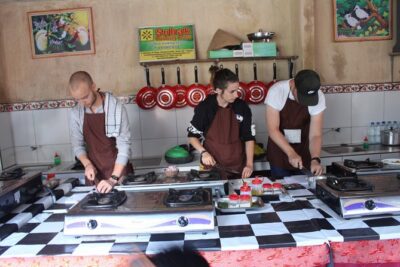
Balinese Ubud cooking school (9 Dish Cooking and Market Tour)
Read our review →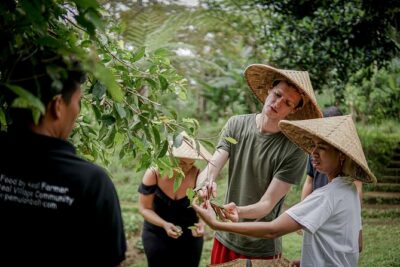
PRIVATE Balinese Cooking Class in Ubud with Dewa with Transfers
Read our review →Browse the lists this tour appears in