
Reviewed · COOKING CLASSES
Jambangan Bali Cooking Class
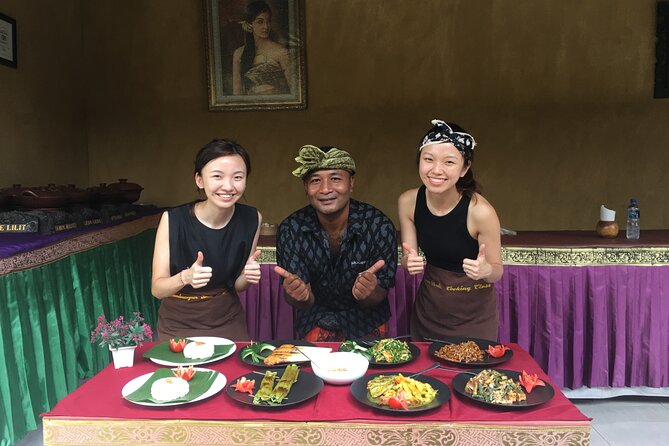
Food can take you farther than a temple tour. The Jambangan Bali Cooking Class combines a market visit, a home-cooked meal, and a close look at Balinese family life in one roughly five-hour outing. You shop for herbs, spices, meat, and vegetables, then prepare several dishes in an open-air kitchen with a Balinese cook.
I like the market-to-table format, which shows you where the ingredients come from before you eat them. I also like the chance to see a Hindu household offering, learn simple coconut oil processing, and play rindik, a bamboo instrument. The main drawback is timing: an evening class may not include the market visit because the market can be closed, with a coffee and tea stop used instead.
The class costs about $34 and has a 99 percent recommendation rate from 142 ratings. That is a strong price for a five-hour cultural activity, especially since lunch is included and the cooking is only one part of the experience. You get food, local context, and time with a Balinese family rather than just another restaurant meal.
In This Review
- Key points to know before booking
- Why this Ubud cooking class feels different
- Start at the market with herbs, spices, and fresh produce
- See rice farming before entering the family home
- Cook eight dishes in an open Balinese kitchen
- Eat your own lunch in the garden
- Learn about offerings, coconut oil, and rindik music
- Morning or evening: choose carefully
- What the class does well for families and food lovers
- Value, group size, and practical details
- Should you book the Jambangan Bali Cooking Class?
- FAQ
- Where does the Jambangan Bali Cooking Class meet?
- How long does the cooking class last?
- Is lunch included?
- Can I choose between lunch and dinner?
- Does every class visit the traditional market?
- How many people can join the class?
- What happens if bad weather cancels the class?
Key points to know before booking

- Morning classes offer the fullest itinerary: You can visit the traditional market, see rice farmers at work, and then continue to the family home.
- The cooking takes place in an open kitchen: You prepare the recipes yourself, with instruction in English from Balinese cooks.
- The meal is more than a tasting: Lunch includes the food you have made, served in the family garden.
- Cultural activities are part of the visit: You may learn about household offerings, coconut oil processing, and rindik music.
- The group can reach 15 people: That keeps the class social, though it may feel less private than a small family lesson.
- Evening classes can differ: The market may be replaced by a coffee and tea plantation visit when it is closed.
Why this Ubud cooking class feels different
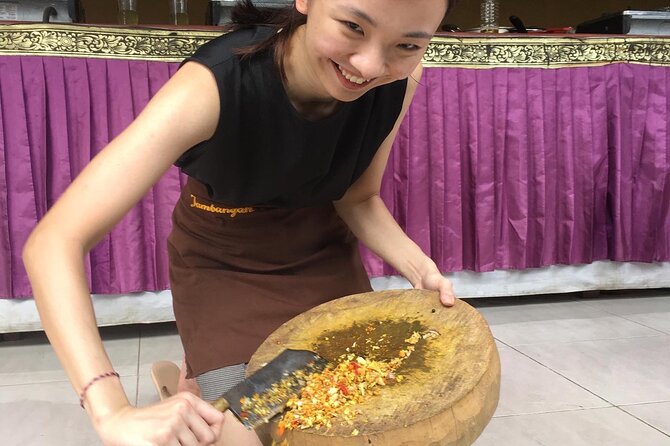
Many food activities in Bali begin and end with a plate. Jambangan gives you the useful middle part: choosing ingredients, handling them, and learning why they belong in the dish. That makes the meal easier to remember and gives you a chance to repeat parts of it at home.
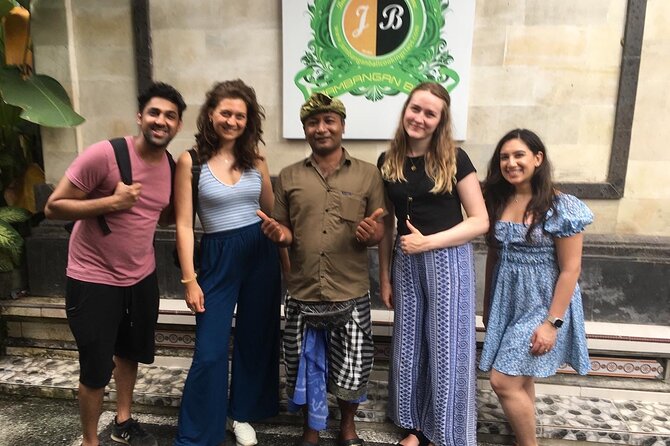
The setting also changes the mood. Instead of learning in a hotel kitchen, you enter a Balinese family home and cook in an open-air space. The family setting is a major reason this class has earned such strong praise. Hosts including Wayan, Made, Putu, and Rakesh are named in the feedback, with Wayan receiving particular appreciation for his humor, clear explanations, and warm welcome.
You should expect a cultural visit as much as a cooking lesson. The family may show you around the home, explain daily customs, and include hands-on activities outside the recipes. That makes the class a good fit if you want food to serve as a doorway into local life.
More Cooking Classes in Ubud
- Ubud Cooking Class Bali with Balinese Chef
★ 5.0 · 1,609 reviews - PRIVATE Authentic Balinese Cooking Class in Ubud at Putu’s Home
★ 5.0 · 644 reviews - Balinese Ubud cooking school (9 Dish Cooking and Market Tour)
★ 5.0 · 540 reviews
Start at the market with herbs, spices, and fresh produce
The day begins early for the market version of the class. At the traditional market, you help select the ingredients used later in the kitchen. This can include fresh herbs and spices, cuts of meat, and vegetables.
The value here is practical. A restaurant menu tells you what a finished dish tastes like. A market visit lets you see the raw materials and learn how local cooks judge what to buy. You may also hear about alternatives for ingredients that are difficult to find at home, a useful touch for anyone hoping to recreate the dishes after returning from Bali.
The market stop is also why I would choose the morning class if your schedule allows. An evening class cannot always include it, since the market may already be closed. In that case, the program can shift to a small plantation visit with samples of coffee and tea, including luwak coffee. That is a reasonable substitute, but it is not the same experience. If selecting ingredients is central to your plans, book the early option.
See rice farming before entering the family home
After the market, the route includes a look at rice paddies and the daily work of rice farmers. The exact length of this stop is not specified, so think of it as a short local visit rather than a dedicated farming tour.
Still, it adds useful context. Rice is central to Balinese food and daily life, and seeing farmers at work helps connect the dishes on your plate with the countryside around Ubud. The class is based in Kelabang Moding, in the Tegallalang area north of central Ubud, where the setting is more residential and rural than the town center.
The meeting point is Warung JB Jambangan Bali at Jln Kelabang Moding No. 713, Kelabang Moding, Tegallalang, Ubud, Bali 80571. The activity returns there at the end. Some individual bookings have included hotel pickup, but pickup is not listed as a standard inclusion, so confirm that point before you plan your transport.
Cook eight dishes in an open Balinese kitchen
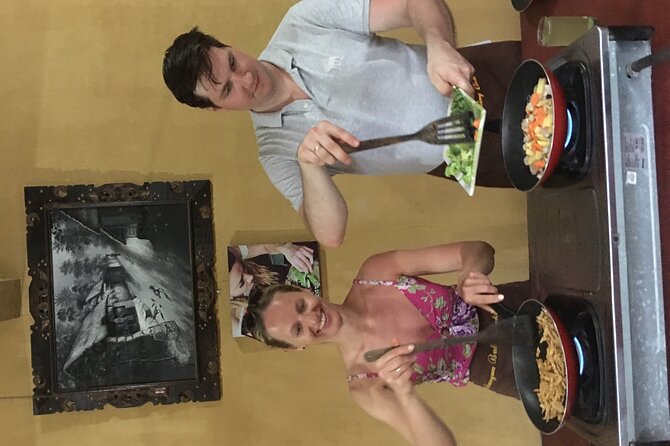
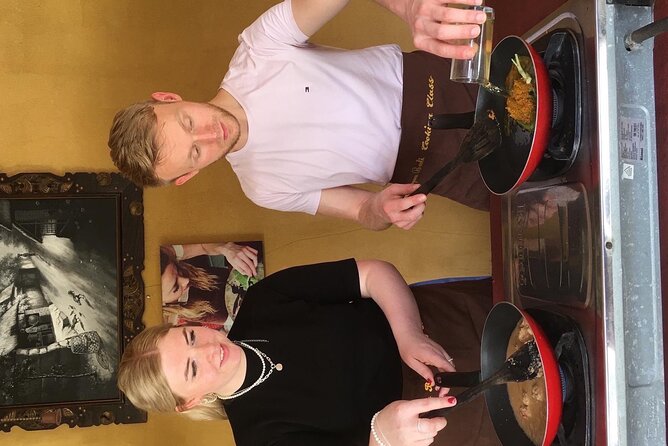
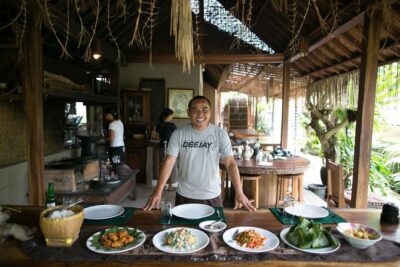
At the home, you move into the open kitchen for the main lesson. The class is conducted in English by Balinese cooks who explain both the recipes and the food culture behind them.
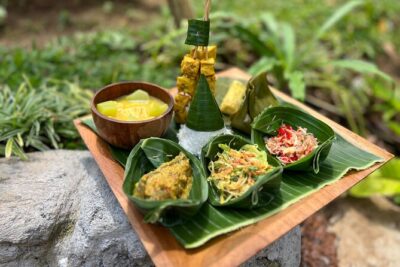
The number of dishes can vary by menu, but one detailed account describes preparing eight dishes. That is a generous amount for a class lasting about five hours. It also means the session may be busy, with several ingredients and cooking steps in play. You will not simply watch someone prepare a demonstration plate. The recipes are made by the participants, then eaten together.
This hands-on format works well for families and food-focused adults. Children who enjoy measuring, mixing, or helping with simple preparation have something to do, while adults can pay closer attention to ingredients and methods. The class is not presented as advanced chef training, so you can join without needing professional cooking skills.
The open kitchen has a social advantage. You are close to the cooks and the other people in the group, and questions can be answered as the food takes shape. The tradeoff is that a group of up to 15 people may mean some waiting or shared tasks. If you want a quiet private lesson, this may not be the right format.
A completely different kind of day out in Ubud:
- All-Inclusive Ubud Private Tour
★ 5.0 · 14,344 reviews - Best of Ubud Full-Day Tour with Jungle Swing
★ 5.0 · 8,571 reviews - Ubud: Monkey Forest, Jungle Swing, Rice Terrace, and Water Temple
★ 5.0 · 7,160 reviews - Best of Ubud 1-Day Private Tour
★ 5.0 · 4,451 reviews
Eat your own lunch in the garden
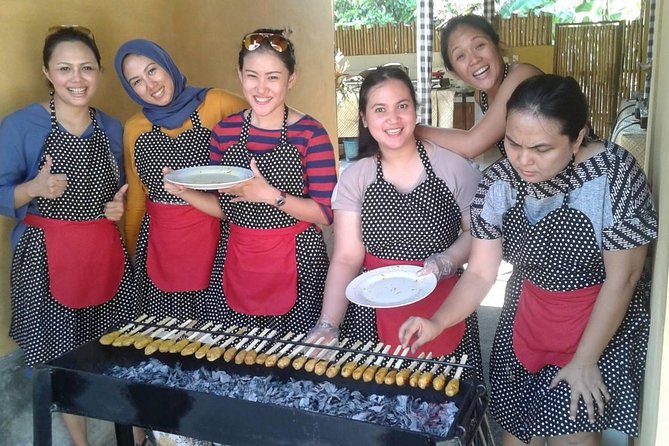
Lunch is included, and the meal consists of the food prepared during the class. It is served in the garden, giving the day a relaxed finish after the activity in the kitchen.
That arrangement adds real value to the $34 price. You are not paying for a short cooking demonstration followed by a small snack. You receive a full meal plus the market, cultural activities, and instruction. Alcohol is not included, so plan on a nonalcoholic meal unless you arrange otherwise.
The food is a strong part of the appeal. Several accounts describe the dishes as delicious, and one person received recipe copies to use at home. That is an important detail: ask for the recipes before you leave if they are not automatically provided with your booking. The ability to cook the meal again is what turns a pleasant afternoon into something useful.
The menu is not fully specified in the information available, so do not book this expecting a particular dish unless the operator confirms it. Menus may also depend on the class schedule and available ingredients.
Learn about offerings, coconut oil, and rindik music
The cooking is paired with small activities that reveal how a Balinese home works. You may see the household daily offering and learn how to make a simple offering yourself. These offerings are part of regular Hindu practice, so the demonstration gives you a glimpse into a routine that a restaurant meal cannot provide.
You can also experience traditional coconut oil processing. The description does not promise a full production workshop, but it does indicate that the process is shown as part of the home visit. This is another useful link between local ingredients and daily household use.
A music lesson on rindik adds a lighthearted finish. Rindik is made from bamboo, and the class gives you a chance to play it. This may be especially appealing to families, since it breaks up the food preparation and gives younger participants a cultural activity with a clear hands-on element.
These extras are not separate major attractions. Their strength is the setting. You encounter them in the same place where the family lives, which makes the experience feel personal rather than staged as a series of unrelated stops.
Morning or evening: choose carefully
The class offers lunch or dinner, but the time of day affects the program. The morning class is the best choice if you want the traditional market and the rice-farming stop. Starting early also gives the schedule room for the market before you reach the home.
The afternoon or evening option can still be worthwhile. It includes the cooking, the home setting, and the cultural activities, while the closed market may be replaced with a plantation visit and coffee or tea tasting. One account describes sampling several coffees and teas during an afternoon class.
The key point is to treat the two options as similar experiences with different opening scenes. Do not assume the evening class includes the market. If the market is your top priority, select lunch and confirm the start time.
What the class does well for families and food lovers
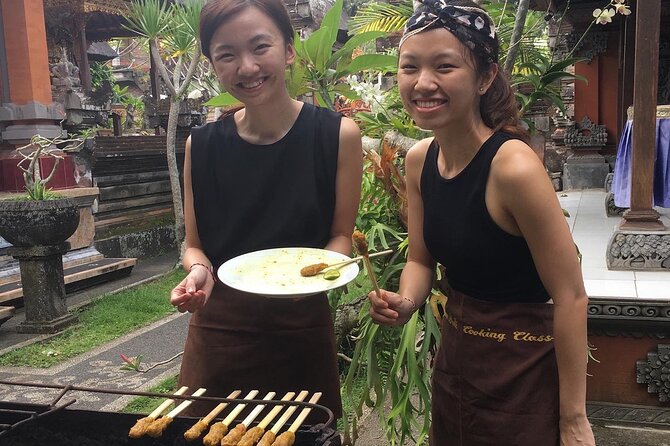
The experience suits people who want more than sightseeing but do not want a formal cooking school. You cook, eat, listen, ask questions, and spend time in a local home. That mix keeps the day varied.
Families benefit from the range of activities. The market provides movement and color, the rice paddies add an outdoor stop, cooking gives everyone a task, and rindik music offers something beyond food. The operator has also accommodated dietary concerns in at least one case, including a guest with a chicken allergy. Still, you should state allergies and dietary needs when booking, rather than relying on a last-minute adjustment.
Food lovers will appreciate the ingredient explanations and recipe copies. The class also helps you understand why Balinese food tastes the way it does, instead of treating the cuisine as a list of exotic names. You get to handle the spices and see how they move from market stall to kitchen.
The class may be less suitable if you dislike group activities, have limited time, or want a polished restaurant-style lesson. The five-hour duration is a commitment, and the pace may be shaped by the rest of the group.
Value, group size, and practical details
At about $34, this is one of the better-value food activities in Ubud. Lunch is included, and the day can include a market, rice paddies, a family home, cultural demonstrations, music, and a cooking lesson. Even if one optional stop changes, the package offers more than a meal or a short demonstration.
The maximum group size is 15. That is large enough to create a friendly shared atmosphere, but not so large that the experience becomes a stage show. Your personal attention will depend on the group and the number of cooks present.
The activity uses a mobile ticket, and booking confirmation is provided at the time of purchase. It is near public transportation, and the meeting point is also the end point. You need to allow about five hours, with the exact timing depending on whether you choose lunch or dinner.
Good weather is required. If poor weather cancels the experience, you can choose another date or receive a full refund. For other cancellations, cancel at least 24 hours before the local start time to receive a full refund. Changes or cancellations inside that window are not accepted.
Should you book the Jambangan Bali Cooking Class?
I would book this class if you want a friendly, food-centered look at ordinary Balinese life. Choose the morning session for the strongest version of the itinerary, especially if the market matters to you. The combination of ingredient shopping, rice farming, home cooking, offerings, coconut oil, and rindik music gives you far more context than a restaurant meal.
I would think twice if you want a small private class, a fixed menu, or a quick activity. The group can reach 15, the menu is not specified, and evening participants may miss the market. For most families, couples, and curious eaters, though, the price is fair and the setting is unusually personal for an Ubud activity.
FAQ
Where does the Jambangan Bali Cooking Class meet?
The meeting point is Warung JB Jambangan Bali, Jln Kelabang Moding No. 713, Kelabang Moding, Tegallalang, Kecamatan Ubud, Kabupaten Gianyar, Bali 80571, Indonesia.
How long does the cooking class last?
The activity lasts approximately five hours.
Is lunch included?
Yes. Lunch is included, and you eat the food prepared during the class in the family garden.
Can I choose between lunch and dinner?
Yes. The experience offers a choice between a lunch class and a dinner class.
Does every class visit the traditional market?
The market visit is part of the early schedule. For an evening class, the market may be closed, and the program may use a coffee and tea plantation visit instead.
How many people can join the class?
The maximum group size is 15 people.
What happens if bad weather cancels the class?
You can choose a different date or receive a full refund if the activity is canceled because of poor weather.
Just added around Ubud
- Kintamani Batur Jeep Sunrise Tour★ 5.0 · 3 reviews
- Bali Downhill Cycling and White Water Rafting★ 5.0 · 3 reviews
- Ubud Highlights Rice Terraces, Temple, Waterfall & Monkeys forest★ 5.0 · 3 reviews
- Bali ATV Quad Bike & Ayung River Rafting Combo with Lunch★ 5.0 · 3 reviews
- Half Day Uluwatu Temple Sunset, Kecak Dance and Seafood Dinner★ 3.5 · 3 reviews
- Blue Lagoon Snorkeling and Lunch with Tukad Cepung Waterfall★ 5.0 · 3 reviews
- Ancien Wisdom and Culture tour★ 5.0 · 3 reviews
- Full-Day Tour in Nusa Penida Island + Snorkeling Experience★ 5.0 · 3 reviews
Cooking Classes, compared.
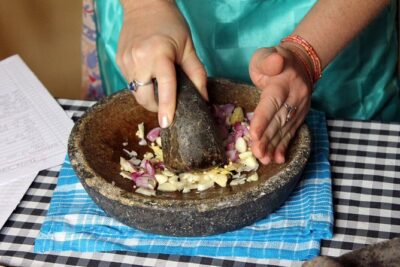
PRIVATE Authentic Balinese Cooking Class in Ubud at Putu’s Home
Read our review →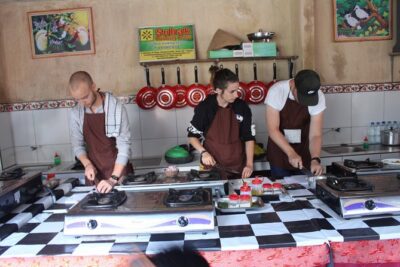
Balinese Ubud cooking school (9 Dish Cooking and Market Tour)
Read our review →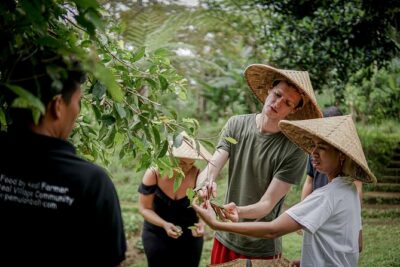
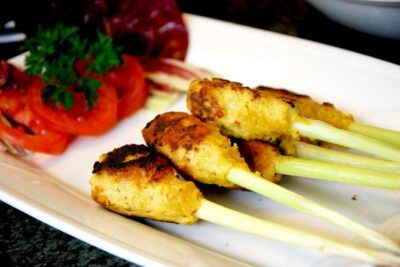
PRIVATE Balinese Cooking Class in Ubud with Dewa with Transfers
Read our review →Browse the lists this tour appears in