
Reviewed · COOKING CLASSES
Authentic Balinese Cooking Classes
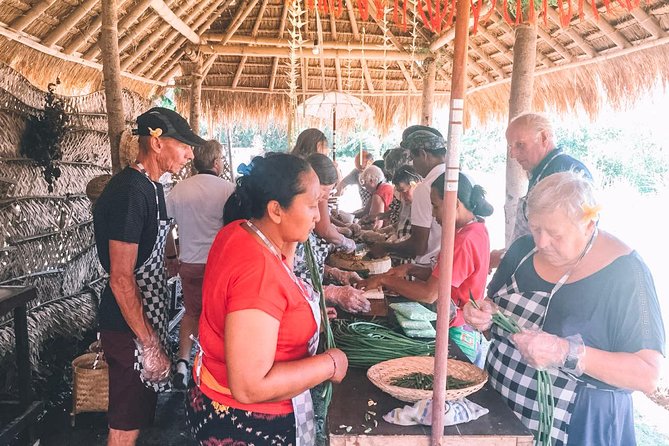
Come hungry, leave with recipes. This six-hour class in Bakas, Klungkung, gives you hands-on practice with satay, nasi goreng, and black rice pudding, not just a demonstration from the sidelines. I like the included market visit for morning bookings, and I like that each person gets a cooking station and utensils. The main caution is the long transfer from Jimbaran and south Bali, plus one report of a very late pickup and a partly closed market.
I also like the small class size, capped at 10 people, because cooking is far more useful when you can ask questions and handle every step yourself. Chef Gede and his team aim for a friendly, English-language lesson, with time spent choosing produce, grinding spices, cooking, and eating. Still, confirm your pickup time carefully, as the travel arrangements have not been equally smooth for every booking.
In This Review
- Key Points Before You Book
- The Long Road to Bakas, Klungkung
- The Morning Market and Balinese Shopping Skills
- Cooking Satay, Nasi Goreng, and Black Rice Pudding
- A Rainforest View Adds More Than Decoration
- Small Groups and Personal Attention
- Is $65 Good Value?
- Who Will Enjoy This Most?
- Booking Tips That Matter
- Should You Book the Bakas Cooking Class?
- FAQ
- Where does the cooking class take place?
- How long does the experience last?
- What food will I cook?
- Is a market visit included?
- What happens at the market?
- Do I cook the dishes myself?
- Is the class taught in English?
- How many people can join?
- Is pickup included?
- Can I cancel for a full refund?
Key Points Before You Book
- The market visit is for morning classes: You learn about produce, local customs, bargaining, and selecting fresh ingredients before cooking.
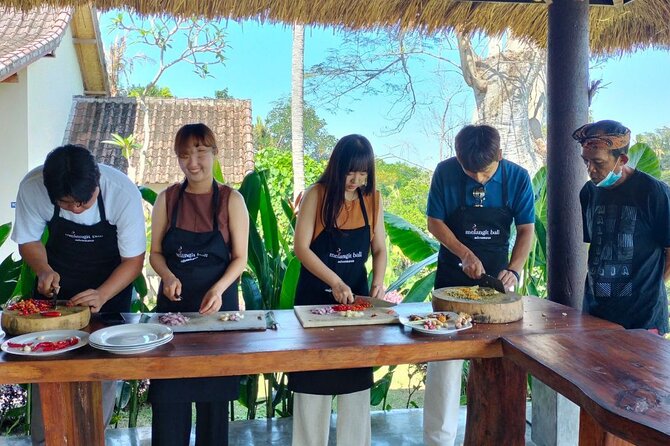
- You cook the food yourself: Each participant receives a personal station and utensils rather than simply watching a chef work.
- The class takes place in Bakas, Klungkung: From Jimbaran and much of south Bali, the drive can take around 1.5 hours each way.
- The setting is part of the appeal: A past booking included views of rice fields and rainforest while cooking.
- The menu covers familiar Balinese favorites: Expect dishes such as satay, nasi goreng, and black rice pudding.
- Transfers cover a wide area: Pickup and return service are offered from Ubud, Seminyak, Legian, Kuta, Nusa Dua, Jimbaran, Sanur, Denpasar, and Benoa Harbor.
The Long Road to Bakas, Klungkung
The class is described in some places as a Jimbaran experience, but the cooking itself takes place in Bakas, Klungkung. That distinction matters. Jimbaran is the listed location for the experience, while Bakas is the actual setting, and the drive from south Bali can take about 1.5 hours according to one booking.
I would treat the transfer as part of the day, not a quick ride to a nearby kitchen. The included pickup is useful if you are staying in Ubud or the main south Bali resort areas. You do not need to arrange a taxi for both directions, and that can make the $65 price easier to justify.
The tradeoff is time. A six-hour class can become most of a day once road travel is included. If you are staying in Jimbaran, Nusa Dua, Kuta, or Seminyak, the journey may feel long for a cooking lesson. If you already plan to spend time around Klungkung, the location makes more sense.
Pickup is offered from addresses in Ubud, Seminyak, Legian, Kuta, Nusa Dua, Jimbaran, Sanur, Denpasar, and Benoa Harbor. Since the pickup record has not been perfect, I would confirm the collection time and meeting details before the day of the class. One booking involved a change from 7:00 to 8:00 in the evening before pickup, followed by a driver who arrived at 9:00. That is a serious problem when the morning market is part of the plan.
More cooking classes:
- Ubud Cooking Class Bali with Balinese Chef
★ 5.0 · 1,609 reviews - PRIVATE Authentic Balinese Cooking Class in Ubud at Putu’s Home
★ 5.0 · 644 reviews - Balinese Ubud cooking school (9 Dish Cooking and Market Tour)
★ 5.0 · 540 reviews
The Morning Market and Balinese Shopping Skills
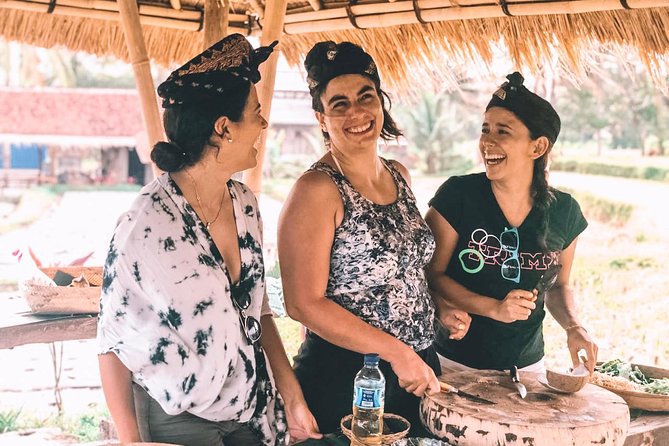
Morning bookings begin with a trip to a local market. This is one of the strongest parts of the experience because it gives you useful context before you start cooking. Bali’s markets open early, and the class uses the visit to explain local meat, fish, produce, flavor preferences, and food customs.
You learn what to select and what to reject. You also get an introduction to bargaining, a practical skill if you plan to shop at markets during the rest of your stay. The chef explains unusual ingredients and how to judge freshness, which is the sort of information you cannot pick up from a printed recipe alone.
The market is not simply a shopping stop. It connects the finished dish with the people and routines behind it. You see the raw ingredients before they are chopped, seasoned, and cooked, and you learn why a Balinese recipe tastes different from a generic Southeast Asian dish.
There is one important limitation: the market visit is tied to morning bookings. The published hours run from 7:00 AM to 3:00 PM, and you can select a start time within that general window, but an afternoon class should not be assumed to include the market tour. Ask before booking if this part matters most to you.
You should also keep expectations practical. One experience had a market that was partly closed when the group arrived. Markets are working places, not staged attractions, so opening conditions can change. That unpredictability is part of the charm, but it can also reduce the value of the morning portion on a particular day.
Cooking Satay, Nasi Goreng, and Black Rice Pudding
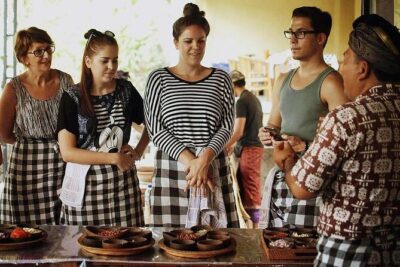
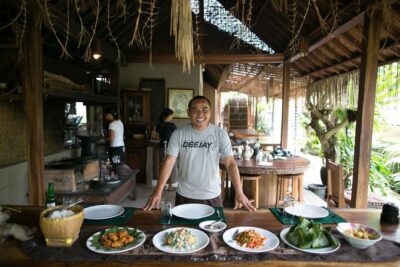
After shopping, the class moves into preparation and cooking. The format is hands-on, with each participant receiving a station and utensils. I consider that a major advantage over a lesson where a chef performs every task while you take notes.
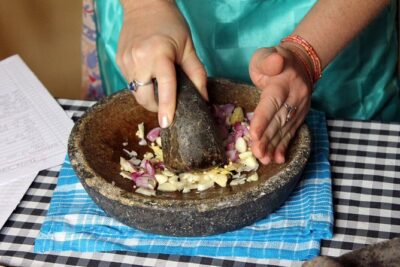
You chop, grind, cook, and prepare the dishes yourself. The teachers work in English and explain the methods in a relaxed setting. A good class should leave you with more than a full stomach, and this one is designed to give you recipes you can use at home.
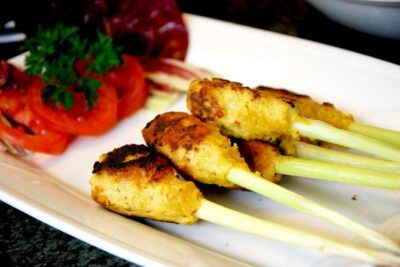
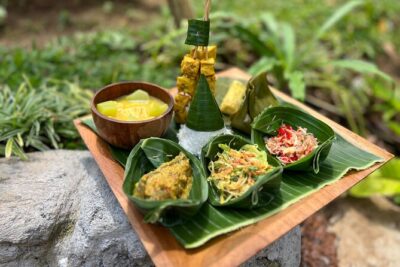
The menu includes satay, nasi goreng, and black rice pudding. Satay teaches you about seasoning and cooking food on skewers. Nasi goreng is familiar enough to recognize but flexible enough to show how local ingredients and spice mixtures change the result. Black rice pudding brings a sweet finish and gives the meal a different texture from the savory dishes.
The supplied information does not specify every dish or the exact recipe list for each date, so I would not book this expecting a fixed banquet beyond the named examples. The class description makes clear that the central focus is Balinese food and local ingredients, but the final menu may depend on what is available.
The instruction is intended to be practical rather than formal. You work alongside the chef, learn the basic secrets of Balinese cooking, and then eat what you have made. That combination suits people who want a relaxed lesson, not a professional culinary course.
A Rainforest View Adds More Than Decoration
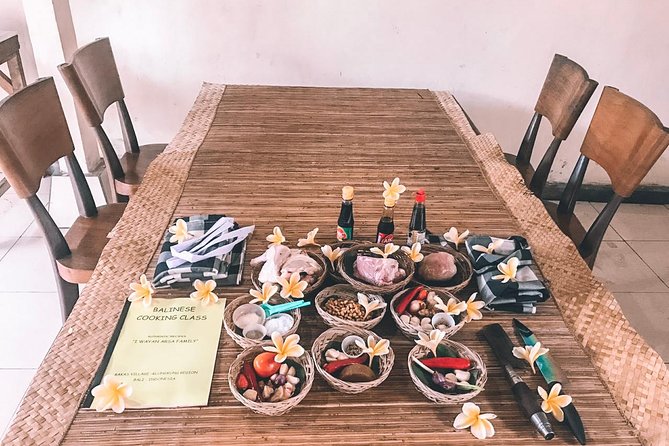
The cooking location has received strong praise for its setting. One booking included views of a rainforest while the group cooked, and another included a stop near the venue to look at rice fields and hear an explanation of the area.
That setting changes the mood of the class. You are not shut inside a standard city kitchen for six hours. The surrounding scenery gives the day a stronger sense of place, especially if your Bali schedule has been centered on beaches, shopping streets, and resort areas.
I would keep the wording in perspective, though. The precise views and any extra stop should not be treated as guaranteed parts of the itinerary unless the operator confirms them. The core experience is the market, cooking lesson, meal, and transfers. The rice fields and rainforest are valuable additions, but the available details do not establish a formal sightseeing route.
The location also helps explain the long drive. Bakas is not being used only as a classroom. The class presents food as part of village life, farming, and local surroundings. If that connection matters to you, the distance may feel worthwhile.
A few more Jimbaran trips worth weighing up
- Surfnesia Surf Lesson and Guiding
★ 5.0 · 46 reviews - Private Surf Lessons in Padang Padang – Uluwatu – Bali
★ 4.0 · 30 reviews - Bali Jewelry Silver Class in Uluwatu with Gold Plating Option
★ 5.0 · 27 reviews - Ubud Silver Class Jewelry making in bali
★ 5.0 · 978 reviews
Small Groups and Personal Attention
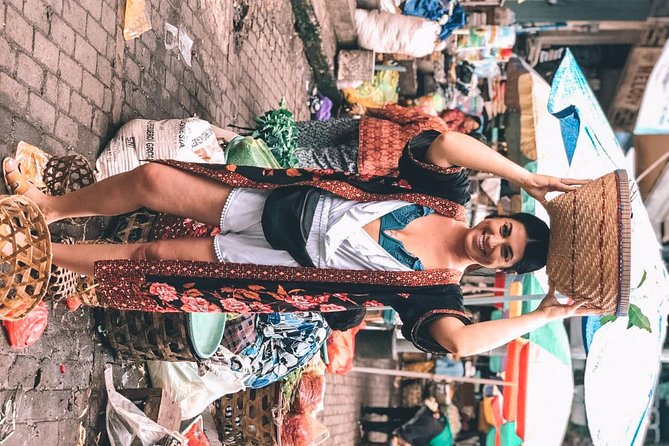
The maximum group size is 10 participants. That is small enough for a cooking class to remain active rather than turning into a crowded demonstration. You should have a better chance to receive help with chopping, grinding, seasoning, and timing than you would in a large tour group.
The class is also described as suitable for private groups within that maximum. That wording suggests a more personal format, but I would confirm whether your booking is private or shared before paying if that distinction matters to you.
Chef Gede is named in the responses from past bookings, and his replies show a warm, personal approach. He also helped with pickup on at least one occasion, along with his wife. The tone of the experience appears friendly and community-focused rather than polished like a hotel cooking school.
That can be a strength. You are more likely to get a local perspective and a candid explanation of ingredients and customs. It can also mean that schedules are less tightly controlled. I would choose this class for personal contact and local character, not for a perfectly timed production.
Is $65 Good Value?
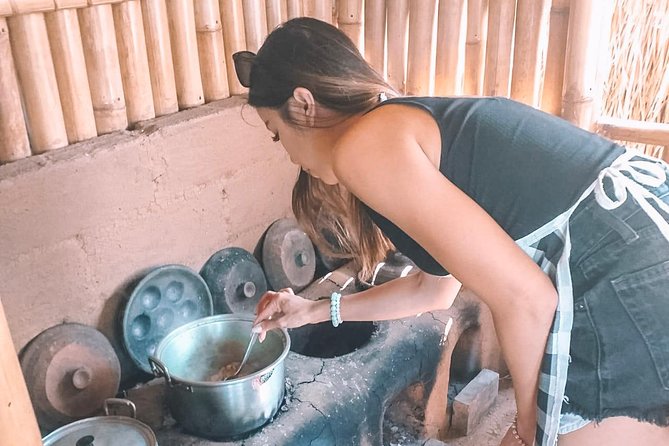
At $65, the price covers a six-hour experience, the cooking lesson, food, the market visit for morning bookings, and round-trip transport from a long list of Bali locations. For someone staying outside central Bakas, the included transfer may account for a meaningful share of the value.
The class is particularly good value if you want three things in one day: a cultural activity, a meal, and practical recipes. You also avoid paying separately for taxis to a rural cooking venue. The ability to choose a start time from morning through afternoon adds useful flexibility, though only morning bookings should be counted on for the market portion.
The value drops if you are staying near Jimbaran and expect a short local outing. The trip to Bakas can take around 1.5 hours each way, and that travel time is a real cost in comfort and vacation hours. The price also feels less attractive if the pickup is delayed or the market is partly closed.
I would compare the class with a city cooking lesson only if convenience is your top concern. This experience offers something different: a rural setting, local shopping, and a connection to Balinese produce. You are paying not just for recipes, but for the setting and transport that make the day possible.
Who Will Enjoy This Most?
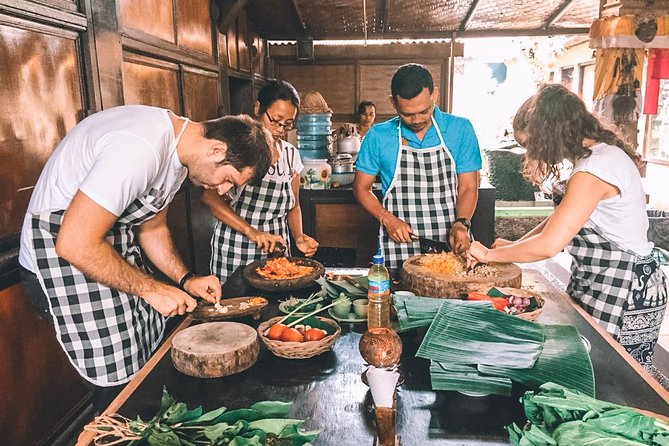
I would recommend the class to people who like to participate. If you want to chop, grind, stir, and taste as you go, the individual station format is a strong fit. It also suits couples, families, and small groups who want a shared activity with a clear result: lunch or a meal you prepared together.
Food lovers will get the most from the market section. You learn how bargaining works and how to choose ingredients, then see those same ingredients used in the kitchen. That link makes the lesson more useful than a recipe card handed out at the end.
The class also suits anyone staying in Ubud or south Bali who wants a day away from the usual resort circuit. Pickup from Ubud, Sanur, Denpasar, and the southern beach areas makes planning easier.
I would be more cautious if you have a tight itinerary, dislike long car rides, or need exact pickup times. I would also ask for clarification if you are booking an afternoon start and specifically want the market visit. The class is relaxed and local, not a fast, highly controlled tour.
Booking Tips That Matter
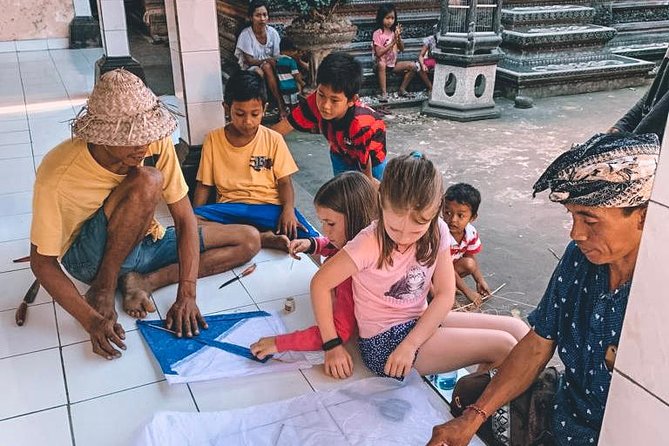
Choose a morning start if the market is a priority. That is the clearest way to receive the full sequence of shopping, cooking, and eating.
Confirm the pickup time and your exact address. The operator offers transfers from many areas, but one delayed pickup caused the group to reach a partly closed market. A quick confirmation can help avoid confusion.
Ask whether your reservation is private or shared. The maximum is 10 people, and the class promises personal attention, but the precise group arrangement should be clear before you commit.
Wear something suitable for cooking and a long day out, though no specific clothing rules are provided. Also, keep the local setting in mind. The experience centers on ingredients, preparation, and food culture rather than a polished resort kitchen.
Free cancellation is available if you cancel at least 24 hours before the local start time. Cancellations or changes inside that window are not refunded or accepted, so check your plans before the deadline.
Should You Book the Bakas Cooking Class?
Book it if you want a hands-on Balinese food lesson with market shopping, local instruction, included transport, and a scenic rural setting. At $65, it offers solid value for a full day, especially from Ubud or the south Bali resort areas.
Skip it if you want a short activity close to your hotel or if a precise schedule is essential. The drive can be long, the market is only part of morning bookings, and the pickup record calls for extra confirmation.
For the right person, this is more than a meal. It is a practical look at how Balinese ingredients move from market stall to cooking station to table. Just build in travel time, confirm the pickup, and book in the morning if you want the fullest version of the experience.
FAQ
Where does the cooking class take place?
The cooking class takes place in Bakas, Klungkung, Bali. Jimbaran is used as the listed location for the experience, but the actual cooking venue is in Bakas.
How long does the experience last?
The experience lasts approximately six hours.
What food will I cook?
The class includes Balinese dishes such as satay, nasi goreng, and black rice pudding. The complete menu is not specified.
Is a market visit included?
A local market visit is included with morning bookings. Afternoon bookings should not be assumed to include it.
What happens at the market?
The chef explains local meat, fish, produce, Balinese tastes and customs, ingredient selection, freshness, and bargaining.
Do I cook the dishes myself?
Yes. Participants receive their own cooking station and utensils and prepare and cook the dishes themselves.
Is the class taught in English?
Yes. The class is conducted in English.
How many people can join?
The activity has a maximum of 10 participants.
Is pickup included?
Round-trip transfers are offered from Ubud, Seminyak, Legian, Kuta, Nusa Dua, Jimbaran, Sanur, Denpasar, and Benoa Harbor.
Can I cancel for a full refund?
Yes, if you cancel at least 24 hours before the experience start time. Cancellations or changes made less than 24 hours before the local start time are not refunded or accepted.
Just added around Jimbaran
- Full-Day Scuba Diving Experience of USAT Liberty in Tulamben★ 5.0 · 3 reviews
- Royal Traditional Lulur Balinese Massage 2 hours Spa At Nusa Dua Bali★ 5.0 · 4 reviews
- South Bali Beach Tour, Uluwatu Sunset Kecak Fire Dance & Seafood Barbeque Dinner★ 3.5 · 4 reviews
- Private Half-Day Beach and Shopping Tour in Kuta★ 5.0 · 4 reviews
- Paragliding Bali Nusa Dua cliff with Free Photo/Videos★ 5.0 · 4 reviews
- Southern Bali Highlights Tour & Uluwatu Temple★ 5.0 · 5 reviews
- Royal Bali Massage 2 Hours in Nusa Dua Bali★ 5.0 · 5 reviews
- Manta Bay Snorkeling Adventure with Kelingking Beach Nusa Penida All Inclusive★ 5.0 · 5 reviews
Cooking Classes, compared.
PRIVATE Authentic Balinese Cooking Class in Ubud at Putu’s Home
Read our review →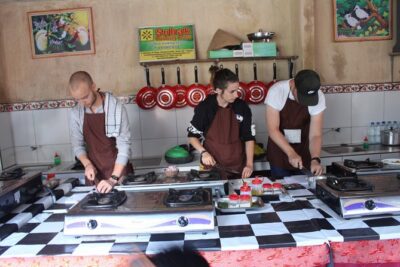
Balinese Ubud cooking school (9 Dish Cooking and Market Tour)
Read our review →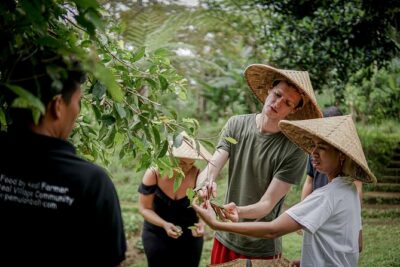
PRIVATE Balinese Cooking Class in Ubud with Dewa with Transfers
Read our review →Browse the lists this tour appears in