
Reviewed · COOKING CLASSES
Afternoon Cooking Class & Making Bali Offering with Dinner
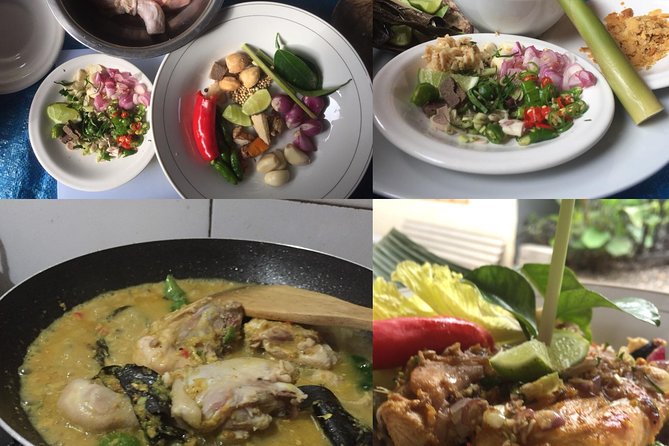
Food tells Bali’s story well. This five-hour Ubud experience brings you into a Balinese family home to make a canang offering, prepare spice paste, cook as many as nine local dishes, and sit down to eat what you made. I like the personal setting and the generous amount of cooking included for $46. I also like that you receive a PDF with nine recipes, so the class can continue in your own kitchen.
The main catch is timing. The afternoon class begins at 2pm and does not include the market visit, despite the wider description mentioning one. If shopping for ingredients is important to you, ask about the morning session instead. Pickup is free only from central Ubud, and transport from outside the area costs extra if arranged in advance.
In This Review
- Key points before you book
- What the $46 price gets you
- Meeting at Ubud Palace at 2pm
- Beginning with cold ginger tea and a canang offering
- The important lesson: Balinese spice paste
- Cooking nine dishes, one step at a time
- Dinner at the family house
- Why the afternoon schedule matters
- Pickup, group size, and practical planning
- Who will enjoy this cooking class most
- The strongest parts, and the small compromises
- Should you book the Subak Cooking Class?
- FAQ
- What time does the afternoon cooking class start?
- How long does the experience last?
- Does the afternoon class include a market visit?
- How many dishes will I cook?
- Is hotel pickup included?
- Where does the experience begin and end?
- What happens if I need to cancel?
Key points before you book
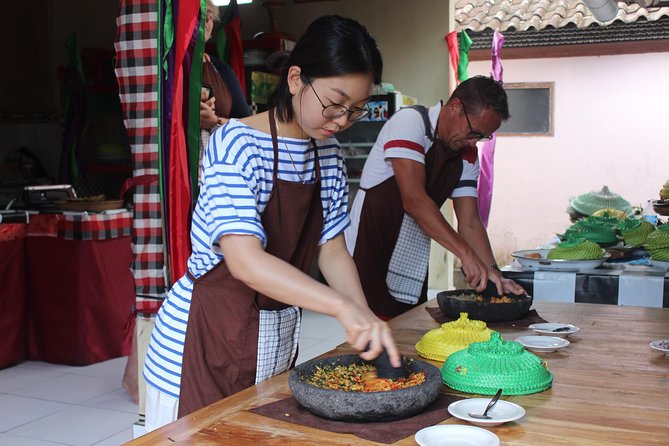
- Nine dishes in one afternoon: You work through a full set of Balinese recipes, taste food as you go, then sit down to a large shared meal.
- Canang offering included: You make a traditional Balinese offering before cooking, adding a cultural lesson that most food classes skip.
- Family-home setting: The class takes place with a local family rather than in a polished cooking school kitchen.
- Afternoon market limitation: The 2pm session has no market stop, so do not assume you will shop for ingredients.
- Small-group format: The maximum group size is 12, and several people describe the class as personal and well organized.
- Ubud-center pickup: Free pickup and return apply to hotels in central Ubud. The listed meeting point is Ubud Palace.
What the $46 price gets you
At $46, this is not the cheapest way to eat in Bali, but it offers much more than a meal. Your fee covers the local host, cooking instruction, dinner, mineral water, bottled water, the offering activity, and the nine-recipe PDF.
The real value comes from the amount of food and teaching packed into the afternoon. You do not simply watch a chef prepare one or two signature dishes. You help make a large menu, learn the basic spice paste used in many Balinese recipes, and taste the results at several points.
That makes the class a good buy if you enjoy practical activities. If you only want to eat Balinese food, $46 will buy many restaurant meals in Ubud. If you want a skill you can take home, a cultural activity, and dinner in one package, the price makes more sense.
The final meal is also part of the value. You sit down with the food made by the group, rather than receiving a separate plate prepared in advance. One especially useful detail is that some of the food may be available to take home, although this should not be treated as a guaranteed part of the service.
More Cooking Classes in Ubud
- Ubud Cooking Class Bali with Balinese Chef
★ 5.0 · 1,609 reviews - PRIVATE Authentic Balinese Cooking Class in Ubud at Putu’s Home
★ 5.0 · 644 reviews - Balinese Ubud cooking school (9 Dish Cooking and Market Tour)
★ 5.0 · 540 reviews
Meeting at Ubud Palace at 2pm
The scheduled start is 2pm at Ubud Palace, at Jl. Raya Ubud No. 8. Free hotel pickup is offered in the Ubud center area, with return transport after the class. You should give the provider clear hotel details when booking, especially if your accommodation sits beyond the central zone.
For hotels outside Ubud, pickup is not included. You need to request it ahead of time and pay an additional charge. If you do not make that request, pickup will not be arranged, so this is one point worth settling before the day of the class.
The experience ends back at the meeting point. Allow roughly five hours from pickup or arrival to return, even though the cooking itself may feel closer to four hours depending on the group and the pace of preparation.
The group limit is 12 people. That is large enough for a sociable evening but small enough to allow hands-on work. A smaller group may be possible on your date, and one account describes the setting as notably personal, but you should plan for the stated maximum rather than count on a private lesson.
Beginning with cold ginger tea and a canang offering
The class starts with a cold ginger tea. It is a simple welcome, but a useful one after getting across Ubud in the afternoon heat.
Before the cooking begins, you make a canang Bali offering. Canang is the small, carefully arranged offering commonly seen outside homes, shops, and temples across Bali. Making one gives you a direct way to understand a daily religious practice instead of only seeing finished offerings on the pavement.
This part also sets the tone for the class. The afternoon is not just about copying recipes. You are introduced to a custom tied to family life and Balinese Hindu practice, then move into the kitchen with that context in mind.
Do not expect a long formal lecture. The experience is built around doing things with your hands. That suits people who learn by trying, though anyone seeking an in-depth cultural class may find the explanations fairly brief.
The important lesson: Balinese spice paste
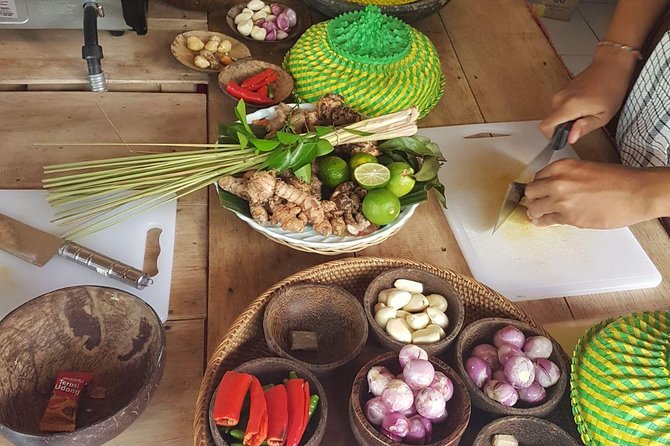
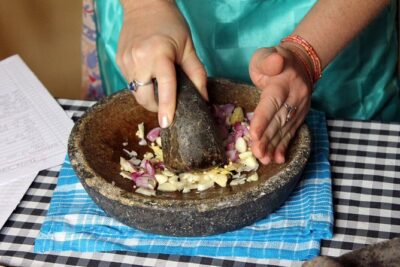
The central cooking lesson is the preparation of Balinese spice paste. This paste acts as a base for many dishes, so learning it gives you more than one isolated recipe.
This is where the class becomes especially useful for home cooks. Balinese food can seem difficult because of its long ingredient lists and layered flavors. Once you understand the shared paste, several dishes become easier to recognize and recreate.
You learn about the ingredients before working through the recipes. The class then uses the paste across the menu, showing how one basic preparation supports different dishes. That approach helps you see the structure of Balinese cooking rather than treating every dish as unrelated.
The exact nine recipes are not listed in the supplied details, so you should not book expecting a particular dish. The menu may change based on available ingredients and the class schedule. What is clear is the scale: you prepare nine Balinese recipes, taste the food during the process, and eat the finished spread at the end.
More Dining Experiences in Ubud
- Uluwatu Sunset, Kecak Dance, and Dinner Jimbaran Beach
★ 5.0 · 3,681 reviews - Mount Batur Sunrise Trekking (Private Tour and Breakfast at Restaurant)
★ 5.0 · 598 reviews - Spa at Flying Bamboo with Dining Included at Botanist
★ 5.0 · 204 reviews - Ubud: Dance Show + Dinner at Lost City – Story of Humanity
★ 4.5 · 94 reviews
Cooking nine dishes, one step at a time
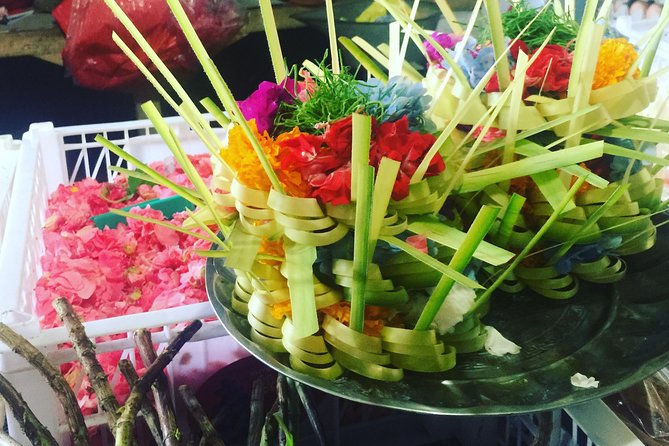
The cooking section is the heart of the afternoon. You work through nine recipes with guidance from the local chef and host. The instructor keeps the group moving, explains the process, and helps prevent the class from becoming a slow procession of people waiting for their turn.
Preparation is not necessarily identical to cooking everything from the first cut onward. One account notes that some meat was already cooked and some vegetables were already cut. That helps explain how the class fits a substantial menu into one afternoon, but it also means you may not handle every ingredient from start to finish.
I see that as a reasonable compromise. Without advance preparation, nine dishes could turn into a very long evening spent chopping. The drawback is that people hoping for a full kitchen apprenticeship may want more time with each individual recipe.
You taste the food as you go. This is helpful because you can understand how seasoning changes during cooking, rather than waiting until the final dinner to find out what the dishes taste like. It also keeps the class lively, especially when several recipes are being prepared at once.
The cooking style sounds friendly and well managed. The chef has been praised for being engaging, explaining with enthusiasm, and keeping everyone on track. That matters in a group class, where a quiet or disorganized instructor can leave you standing around with a knife in your hand and no idea what happens next.
Dinner at the family house
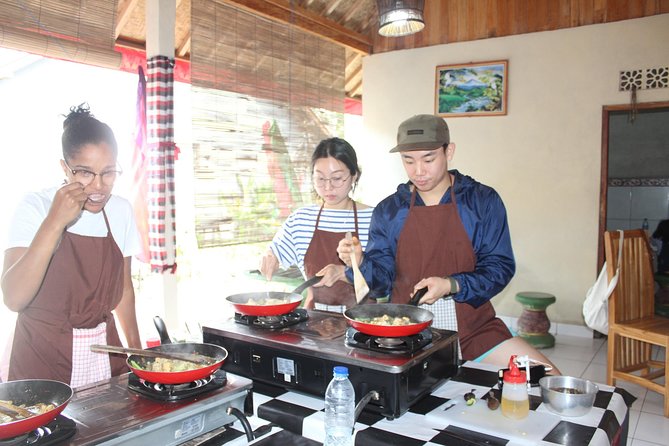
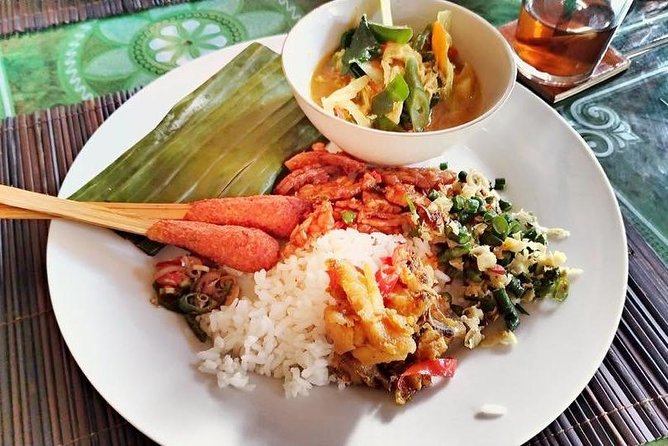
Once the cooking is finished, you sit down at the Balinese home for dinner. The meal is made from the dishes you prepared, so the final table gives the afternoon a clear payoff.
Expect a large meal rather than a single plated course. You sample the food during preparation and then eat together at the end, which makes the dinner feel like a shared event rather than a quick tasting.
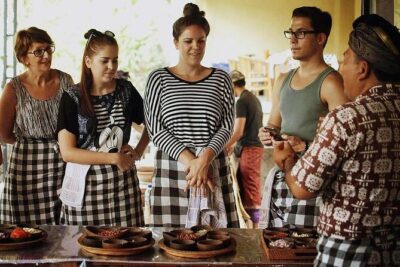
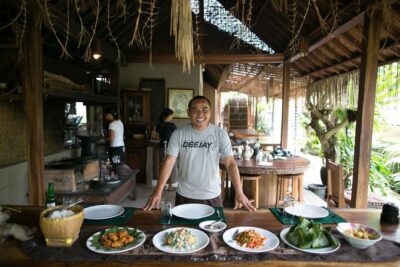
This setting is one of the strongest reasons to choose the experience. Eating in a family house gives the class a warmer, more local feel than a commercial demonstration kitchen. It also gives you a chance to share stories with people from different countries while enjoying the results of the work.
The group format can be a plus or a drawback. I like the social side, especially for solo visitors or couples who want an evening activity. If you prefer a quiet private meal, a class with up to 12 people may feel busy.
The food receives consistently strong praise, but keep your expectations sensible. The appeal is participation, not a luxury restaurant service. The kitchen team handles the cleanup in the background while the chef leads the group, so you can focus on learning and eating.
Why the afternoon schedule matters
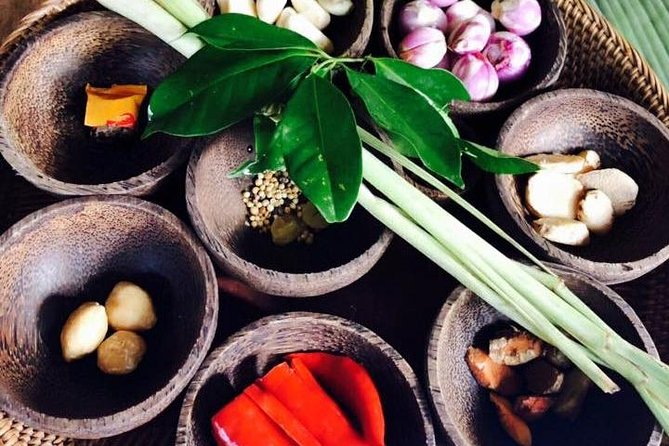
The afternoon schedule is convenient if your morning is already full. You can visit a temple, walk around Ubud, or have a slower start before meeting at 2pm. The class then carries into dinner, saving you the need to find a restaurant afterward.
The tradeoff is the missing market visit. The general description includes shopping for ingredients at a local market, but the specific afternoon details clearly say there is no market visit in that session.
Some descriptions of the broader experience include a market stop and even views of rice fields, but you should not count on either during the afternoon class. The market component belongs to the morning version, while the 2pm class goes directly into the family-home cooking program.
If the market is a priority, contact the provider before booking and confirm which session you are choosing. If your main goals are cooking, culture, and dinner, the afternoon format still gives you the essential parts of the experience.
Pickup, group size, and practical planning
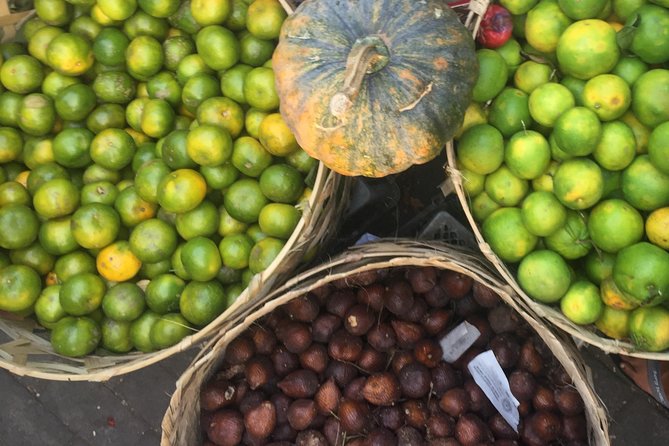
Pickup is offered from Ubud-center hotels, and prompt transport is an important convenience. Ubud roads can make short distances take longer than expected, so having a scheduled transfer is easier than arranging your own ride at the last minute.
For an outside-Ubud hotel, request a paid pickup before the day of the activity. Bring cash for additional transport charges or personal purchases. Bottled water and mineral water are included, but the instructions specifically remind you to carry cash.
The activity is near public transportation, although the included pickup may be simpler for most people staying in central Ubud. The listed meeting point is Ubud Palace, and the activity returns there at the end.
You receive booking confirmation immediately in most cases. If you book within two days of the activity, confirmation may take up to 48 hours and remains subject to availability. That is a reason to avoid leaving this particular class until the last moment.
The cancellation policy is friendly if your plans are still moving around. You receive a full refund when you cancel at least 24 hours before the 2pm start time. Cancellations or changes inside that window are not refunded or accepted.
Who will enjoy this cooking class most
I would choose this class if you want to do more than look at Ubud’s sights. It suits couples, solo visitors, and small groups who like meeting people, learning by doing, and eating a substantial dinner.
It is also a good choice for anyone curious about Balinese daily life. The canang activity adds meaning, while the spice-paste lesson explains an important part of the local kitchen.
Families may enjoy the hands-on format, though the supplied information does not specify children’s ages, equipment, or special arrangements. You should ask the provider directly if those details matter for your group.
Food lovers will get the most from the class, especially if you like bold seasoning and want recipes you can make after returning home. The PDF of nine recipes is a practical extra, not just a souvenir.
I would think twice if you want a market tour, a private class, or a carefully paced lesson focused on just two or three dishes. The nine-recipe menu is generous, but the pace can be quick because some preparation is done beforehand.
The strongest parts, and the small compromises
The highest praise goes to the chef’s friendly teaching style, the smooth organization, and the food itself. Those are not minor details. A cooking class succeeds or fails on the instructor’s ability to keep everyone involved, and this one appears to do that well.
The family-run setting is another major strength. You get dinner in a real home environment, a cultural activity before cooking, and a chance to share food with an international group.
The compromises are clear. The afternoon class skips the market, the exact menu is not stated, and some ingredients may be prepared ahead of time. Pickup outside central Ubud costs extra, and the group can include as many as 12 people.
At 4.9 out of 5 from 38 ratings, with 97 percent recommending it, the experience has a strong record. I would still read the details carefully rather than book on the rating alone. The key question is not simply if the class is good. It is if the afternoon version matches what you want.
Should you book the Subak Cooking Class?
Book it if you want a friendly, hands-on introduction to Balinese food with dinner included. The combination of a canang offering, spice-paste lesson, nine recipes, family-home setting, and take-home recipe PDF gives you plenty for the $46 price.
Choose the morning option instead if the local market is essential. Confirm pickup if you are staying outside central Ubud, and carry cash for extra charges. For everyone else, this is a practical way to turn one afternoon into a meal, a cultural lesson, and a useful cooking skill.
FAQ
What time does the afternoon cooking class start?
The afternoon class starts at 2pm local time.
How long does the experience last?
The activity lasts approximately five hours, including the cooking session, dinner, and return transport.
Does the afternoon class include a market visit?
No. The afternoon session does not include a market visit. The market stop belongs to the morning version of the experience.
How many dishes will I cook?
You will make up to nine Balinese dishes, including preparations using Balinese spice paste.
Is hotel pickup included?
Free pickup and return are included for hotels in central Ubud. Pickup outside Ubud requires an additional charge and must be requested in advance.
Where does the experience begin and end?
The listed meeting point is Ubud Palace in central Ubud. The activity ends back at the meeting point.
What happens if I need to cancel?
You can receive a full refund if you cancel at least 24 hours before the start time. Cancellations and changes made within 24 hours are not accepted and are not refunded.
More Dinner Experiences
- Evening Cooking Class with Romantic Dinner in Ubud
★ 5.0 · 27 reviews - Traditional Balinese Home Dining Experience in Ubud with Putu
★ 5.0 · 17 reviews - Ubud Mystic Dinner at Oracle of Spice Lemuria The Lost City
★ 5.0 · 11 reviews - Private 6-Course Romantic Candlelight Dinner Overlooking Ubud Valley
★ 5.0 · 8 reviews
Just added around Ubud
- Kintamani Batur Jeep Sunrise Tour★ 5.0 · 3 reviews
- Bali Downhill Cycling and White Water Rafting★ 5.0 · 3 reviews
- Ubud Highlights Rice Terraces, Temple, Waterfall & Monkeys forest★ 5.0 · 3 reviews
- Bali ATV Quad Bike & Ayung River Rafting Combo with Lunch★ 5.0 · 3 reviews
- Half Day Uluwatu Temple Sunset, Kecak Dance and Seafood Dinner★ 3.5 · 3 reviews
- Blue Lagoon Snorkeling and Lunch with Tukad Cepung Waterfall★ 5.0 · 3 reviews
- Ancien Wisdom and Culture tour★ 5.0 · 3 reviews
- Full-Day Tour in Nusa Penida Island + Snorkeling Experience★ 5.0 · 3 reviews
Cooking Classes, compared.
PRIVATE Authentic Balinese Cooking Class in Ubud at Putu’s Home
Read our review →
Balinese Ubud cooking school (9 Dish Cooking and Market Tour)
Read our review →
PRIVATE Balinese Cooking Class in Ubud with Dewa with Transfers
Read our review →Browse the lists this tour appears in