
Reviewed · WORKSHOPS
Ubud Pottery Ceramic Class in Bali
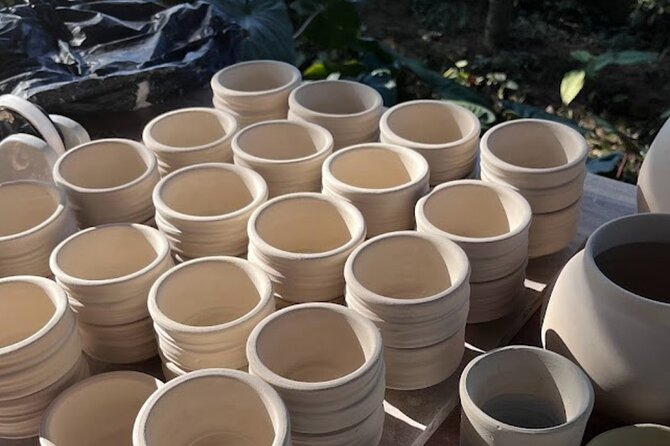
Make something you can hold. This three-hour pottery class near Ubud gives you 2kg of clay, patient instruction, and a direct connection to Balinese craft traditions. I like the chance to make both a hand-built piece and a wheel-thrown piece, and I like the small group size, capped at 10 people. The garden setting adds calm to an activity that can otherwise feel messy and rushed.
The main catch is location. Despite being marketed for Ubud and listed under Nusa Dua, the studio is in Central Singapadu, Sukawati, about 30 minutes from central Ubud before traffic. If you want to take your pottery home, you need at least four days remaining in Bali.
In This Review
- Key points to know before booking
- A pottery class in Singapadu, not central Ubud
- Three hours with 2kg of clay
- Local instruction without a rushed tourist feel
- Why the garden setting matters
- What your finished pieces may mean
- The price and what you receive
- Who will enjoy this class most
- Timing your visit around the four-day rule
- What the class does better than a standard souvenir stop
- Should you book the Ubud pottery class?
- FAQ
- Where does the pottery class take place?
- Is the class in central Ubud?
- How long does the pottery class last?
- How much does the class cost?
- How much clay is included?
- Can I make pottery by hand and on a wheel?
- Is the class suitable for beginners?
- How many people can join the class?
- Can I take my pottery home?
- What is the cancellation policy?
Key points to know before booking
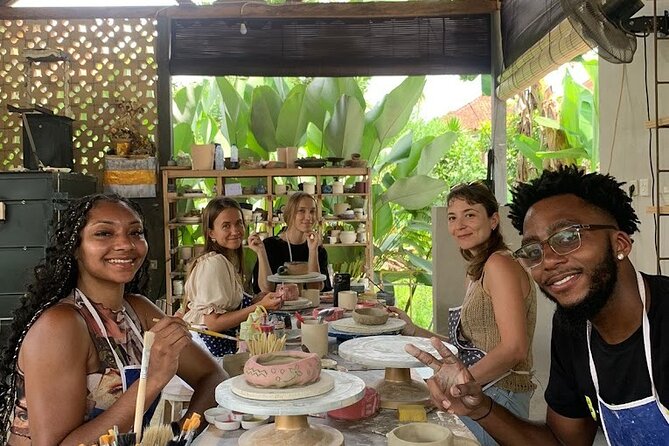
- Two pottery methods: You can make one piece by hand and another on the wheel, giving you a useful taste of two very different techniques.
- 2kg of clay included: That is enough material for a proper hands-on session rather than a token souvenir-making activity.
- Small class size: A maximum of 10 people should allow for direct help from the instructors.
- Quiet garden setting: The studio sits in a peaceful environment that suits a slow, creative afternoon.
- Three hours of making: You have enough time to learn basic methods, shape your pieces, and add personal touches.
- Four-day timing rule: Leave at least four days after class if you want to take your work home.
A pottery class in Singapadu, not central Ubud
The first practical detail is also the easiest to miss: the class meets at Tana Ampo Pottery Studio, at C793+8PH in Central Singapadu, Sukawati, Gianyar Regency. This is not in the center of Ubud, and the drive from central Ubud can take about 30 minutes or longer when roads are busy.
That distance is not necessarily a problem. Singapadu gives you a break from Ubud’s more crowded visitor areas, and the studio’s garden setting helps the class feel like a visit to a working craft space rather than a quick activity inserted between shopping stops. Still, you should plan your day around the drive.
The supplied location information also identifies Nusa Dua as the general location, while the meeting point is clearly in Singapadu. I would trust the exact meeting address and map pin over the broad area label. Check the route before booking, especially if you are staying in Nusa Dua, Kuta, Seminyak, or another part of southern Bali.
The class begins and ends at the same meeting point. No hotel transfer is listed, and personal expenses are not included, so you should arrange your own way there and back.
A few more Nusa Dua trips worth weighing up
- Surfnesia Surf Lesson and Guiding
★ 5.0 · 46 reviews - Kekeb Cooking Class at Nusa Dua
★ 5.0 · 33 reviews - Private Surf Lessons in Padang Padang – Uluwatu – Bali
★ 4.0 · 30 reviews
Three hours with 2kg of clay
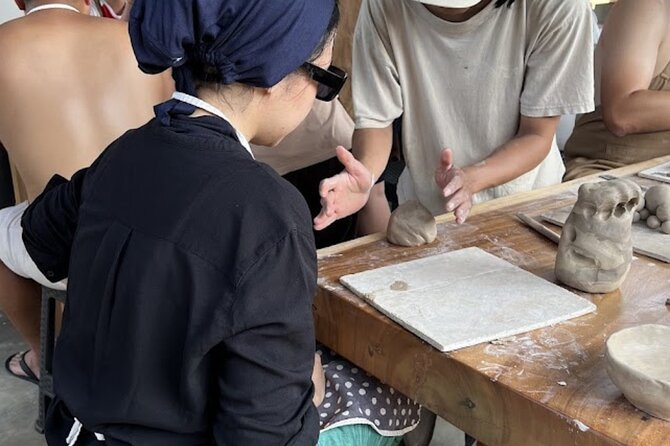
The class provides 2kg of clay, which gives you enough material to try more than one approach. The activity is not simply a demonstration where you watch an artisan shape a pot. You work directly with the clay, guided through basic steps from preparation and shaping to finishing touches.
The available instruction covers hand-building, wheel throwing, and molding. You may not become a polished potter in one afternoon, but you should leave with a better sense of how much control, pressure, and patience clay requires. That is part of the appeal. Pottery quickly turns an abstract cultural lesson into something your hands understand.
A particularly useful feature is the chance to make two pieces using different methods. One is made by hand, while the other is made on the wheel. These techniques feel quite different. Hand-building gives you more direct control over the form, while the wheel asks you to keep your hands steady and work with the clay as it turns.
For a first-time potter, the wheel can be humbling. Clay that looks obedient in an instructor’s hands can wobble, spread, or lean when you try it yourself. That is not a flaw in the activity. It is the lesson. The instructors guide you from the basics, and the small group limit should make it easier to ask for help when your pot begins to misbehave.
Local instruction without a rushed tourist feel
The strongest part of this class is the teaching. The instructors are local artisans, and the class is designed to explain the basic techniques in a way beginners can follow. The teaching team has been described as helpful, creative, professional, and fun, which matters in a craft class where a little encouragement can make the difference between giving up and trying again.
I also like that the class offers more than one way to work the clay. You learn that different types of clay exist and that not every soil is suitable for ceramic work. Even if you have no plans to take up pottery at home, this gives the activity an educational edge.
The class can suit people who have never touched clay as well as those with some previous experience. Beginners get a clear starting point, while experienced potters can use the session to experiment with local instruction and materials. Since the group has a maximum of 10 participants, the atmosphere should be more personal than a large workshop.
Still, you should keep your expectations sensible. You are booking a three-hour introduction, not a professional ceramics course. The exact number and quality of finished pieces can depend on your technique, the time available, and what happens during the drying and firing process.
Why the garden setting matters
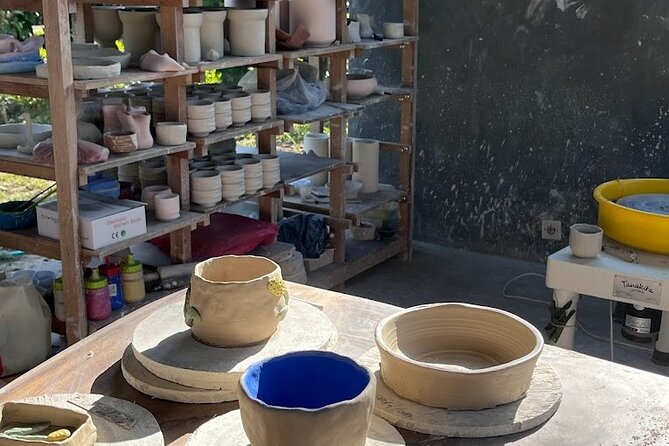
Pottery is a slow activity. Clay needs attention, but it also rewards patience. A quiet garden setting makes more sense for this class than a busy commercial studio filled with noise and foot traffic.
The setting gives you room to focus on the feel of the clay and the shape developing under your fingers. It also adds a simple pleasure to the afternoon: you are making something while sitting in a calm part of Bali, rather than spending another few hours in a shop or on a sightseeing bus.
That setting may be especially welcome if your Bali schedule is packed with temples, traffic, beach time, and restaurant stops. Pottery offers a different pace. You sit down, make mistakes, and pay attention to one thing at a time.
The setting is not a replacement for a major cultural site, and you should not expect a full tour of Ubud’s art scene. Its value is smaller and more personal. You get a look at a traditional craft by trying it yourself.
A completely different kind of day out in Nusa Dua:
- ️ Bali Instagram Tour: The Most Famous Spots (Private & All-Inclusive)
★ 5.0 · 2,857 reviews - Private Uluwatu Temple and Kecak Fire Dance Evening Tour in Jimbaran Bay
★ 5.0 · 1,199 reviews - Nusa Penida Snorkeling Adventure (Private & All-Inclusive)
★ 5.0 · 1,197 reviews - Nusa Penida One Day Trip with All-inclusive
★ 4.5 · 743 reviews
What your finished pieces may mean
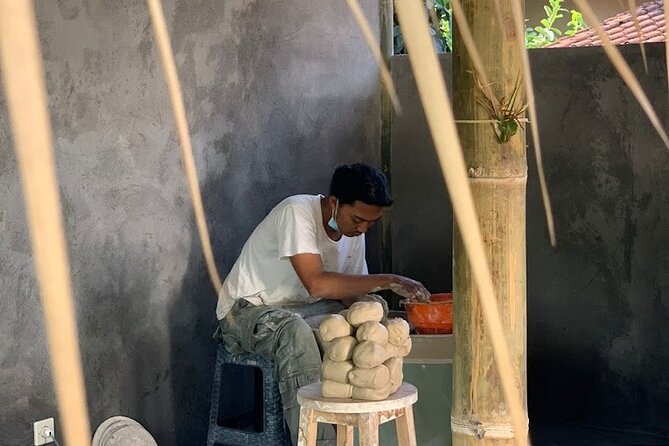
A handmade pot is not just a souvenir. It records the pressure of your hands, the corrections you made, and the point where you decided the shape was good enough. That makes it more personal than a mass-produced item from a market.
The class lets you add your own touches after the basic form is shaped. The description does not specify exactly which decorations, colors, or glazes are available, so you should not book expecting a particular finish. Ask the studio what can be added on the day if the final appearance matters to you.
You also need to plan carefully if you want to take your work home. The instruction is clear: leave a minimum of four remaining days after the class. That warning likely relates to the time needed for the pieces to be prepared, dried, fired, or made ready for collection, but the exact handover process is not stated. Ask the provider how and when finished pieces can be collected before you book a late departure.
If you have only one or two days left in Bali, treat the pottery as an activity you enjoy on the day, not as a guaranteed physical souvenir to carry home. That small bit of planning can prevent disappointment.
The price and what you receive
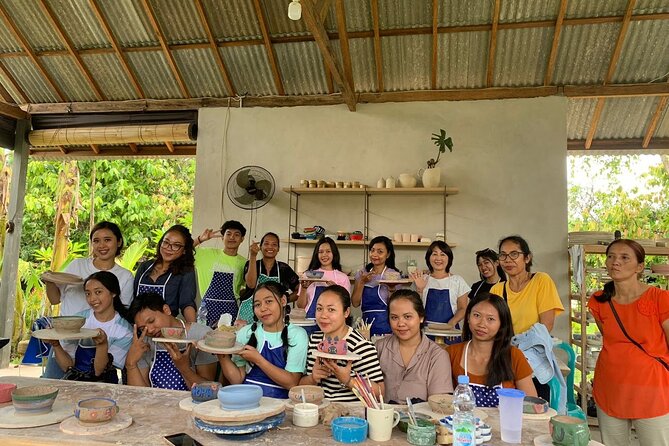
At $31.31 per person, the class is reasonably priced for a three-hour guided craft session, particularly because 2kg of clay is included and you get instruction in both hand-building and wheel work. You are paying for time, materials, teaching, and access to a local studio, not simply for a short demonstration.
The value is strongest if you want an activity that keeps you involved from start to finish. If you are content to buy finished ceramics, local markets may offer a wider selection and possibly lower prices. But shopping cannot give you the experience of making your own pieces or learning why clay behaves the way it does.
The price does not include personal expenses. Since no transport is included among the stated features, factor in your own cost and time for reaching Singapadu. That transfer may be the largest practical issue for someone staying outside the Ubud area.
The class is booked an average of six days ahead, so I would not leave it until the last day of your Bali planning. A mobile ticket is provided, and confirmation arrives when you book.
Who will enjoy this class most
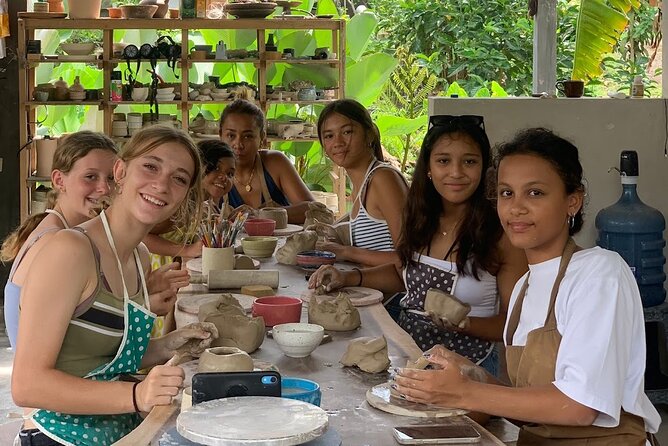
I would recommend this activity to you if you like hands-on cultural experiences and do not mind getting your fingers dirty. It works well for couples, friends, families, and solo visitors who want a creative break from sightseeing.
It is also a good choice for anyone looking for an educational activity. You learn basic pottery methods, see how clay can be shaped in different ways, and gain a simple understanding of the materials used in ceramics.
Families may appreciate the practical nature of the class, though the information does not state a minimum age or specific child policy. If you are booking for young children, confirm those details first.
The class may be less suitable if your schedule is tight, your accommodation is far from Singapadu, or you want a guaranteed professional-quality souvenir. Pottery has a learning curve, and the appeal lies partly in the imperfect result.
It is also not ideal for someone who wants a passive cultural show. You will be expected to participate, follow instructions, and spend much of the session working with clay.
Timing your visit around the four-day rule
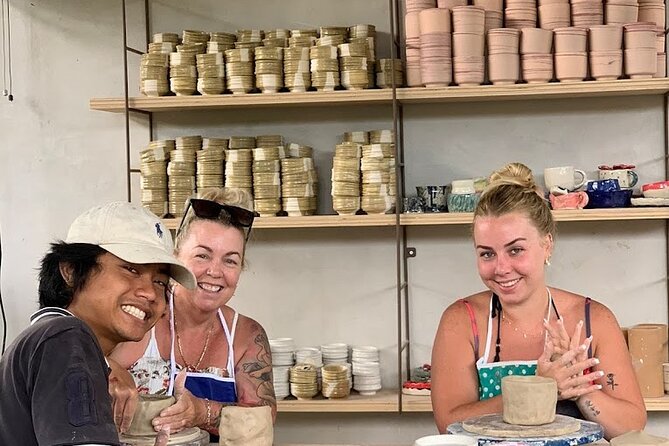
The class lasts about three hours, but you should allow extra time for the journey to and from the studio. The drive from central Ubud is around 30 minutes in normal conditions, and traffic can make it longer.
If you want to collect your work, schedule the class early enough in your holiday to leave at least four days afterward. Do not place it on the final morning before an international flight. Even if the class itself finishes on time, the pieces may not be ready for you immediately.
A morning or afternoon booking can fit into a wider Bali itinerary, but avoid pairing it with a faraway attraction unless you have checked the route. The class ends where it starts, so you can continue with your own plans afterward, but you remain responsible for transport.
Free cancellation is available if you cancel at least 24 hours before the start time. Changes or cancellations within 24 hours are not accepted for a refund, and the cut-off follows local Bali time.
What the class does better than a standard souvenir stop
A market visit gives you choice. This class gives you context.
You do not just look at ceramic bowls, jars, or decorative objects. You learn that ceramics can be made through hand-building, wheel throwing, and molding. You also learn that clay types vary and that suitable ceramic material is not simply any soil found nearby.
That practical knowledge makes the finished work more meaningful. Even a lopsided first attempt can become a reminder of how difficult the process is and how much skill local artisans bring to it.
I also like the small scale of the activity. A maximum of 10 people makes it easier to receive direct advice and watch the instructor demonstrate a technique. The class has earned a strong overall rating of 4.7 from seven ratings, with particular praise for the patient teaching, beautiful garden, and enjoyable atmosphere.
The main caution remains the location and timing. A charming workshop is less appealing if you spend much of the day caught in traffic or discover too late that your pottery cannot be taken home before you leave.
Should you book the Ubud pottery class?
Book it if you want a calm, hands-on afternoon and the chance to make two pieces using different pottery methods. The $31.31 price is fair for three hours of instruction, 2kg of clay, and a small group led by local artisans.
I would be especially keen to book this for a couple or family that wants something more personal than another sightseeing stop. Just confirm the route to Tana Ampo Pottery Studio, budget extra driving time, and leave at least four days if you hope to take your work home.
Skip it if you are staying far from Ubud, have a very short Bali visit, or want a polished ceramic souvenir with no uncertainty. For everyone else, this is a worthwhile way to spend part of a day making, learning, and seeing a quieter side of Balinese craft.
FAQ
Where does the pottery class take place?
The class meets at Tana Ampo Pottery Studio, C793+8PH, Central Singapadu, Sukawati, Gianyar Regency, Bali 80582, Indonesia.
Is the class in central Ubud?
No. The studio is in Central Singapadu, Sukawati. The drive from central Ubud takes about 30 minutes or longer, depending on traffic.
How long does the pottery class last?
The activity lasts approximately three hours.
How much does the class cost?
The listed price is $31.31 per person.
How much clay is included?
Each participant receives 2kg of clay.
Can I make pottery by hand and on a wheel?
Yes. The class includes the opportunity to make one piece by hand and one piece on the pottery wheel.
Is the class suitable for beginners?
Yes. The instruction begins with basic techniques, and most participants can take part.
How many people can join the class?
The maximum group size is 10 participants.
Can I take my pottery home?
You should have at least four days remaining after the class if you want to take your work home. The exact collection process is not specified, so confirm it with the provider.
What is the cancellation policy?
You can cancel at least 24 hours before the local start time for a full refund. Cancellations or changes made less than 24 hours before the start time are not accepted for a refund.
Just added around Nusa Dua
- Ubud Countryside Sightseeing Tour by ATV Ride★ 4.5 · 3 reviews
- Full-Day Scuba Diving Experience of USAT Liberty in Tulamben★ 5.0 · 3 reviews
- Try find your better than us! Airport transfer service in Denpasar HTL-APT(DPS)★ 5.0 · 3 reviews
- Nusa Dua Marine Jet Ski and Parasailing Adventure with Hotel Pick up★ 5.0 · 4 reviews
- Bali Jet Ski★ 3.5 · 4 reviews
- Royal Traditional Lulur Balinese Massage 2 hours Spa At Nusa Dua Bali★ 5.0 · 4 reviews
- Ride Bali ATV Adventure Ticket And Transfer★ 4.5 · 4 reviews
- South Bali Beach Tour, Uluwatu Sunset Kecak Fire Dance & Seafood Barbeque Dinner★ 3.5 · 4 reviews
Workshops, compared.


PRIVATE Authentic Balinese Cooking Class in Ubud at Putu’s Home
Read our review →

Ubud Monkey Forest Silver Class – Craft Your Own Silver Jewelry
Read our review →

PRIVATE Balinese Cooking Class in Ubud with Dewa with Transfers
Read our review →Browse the lists this tour appears in