
Reviewed · WORKSHOPS
3 Hours Wheel Throwing Basic Ceramic Class
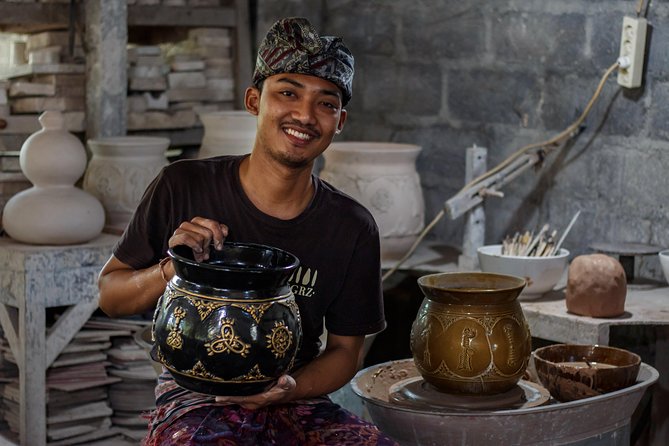
Clay gets messy in the best way. This three-hour Ubud workshop lets you work at a real ceramic factory, learn the basics of wheel throwing, and shape your own pottery rather than simply watching a demonstration. I like the private format, which keeps the session focused on your group, and the chance to use about 3 kilograms of clay while experimenting with several forms. The main catch is that firing and glazing are not fully included, and the finished work can take one to four weeks.
You begin with scaling and kneading clay, then learn how to balance it on the wheel and pull it into a shape. Bottled water and an apron are provided, and you may use coloring materials if you want to vary your work. The class is held at the workshop’s own factory, so you can see the tools, machines, and materials used in its regular pottery business.
The price is $50 per person, a fair amount if you value hands-on instruction and leave with up to three pieces. I would book with care if you have a tight Bali schedule, since one past participant had trouble getting directions and reached the property only with local help. Confirm the meeting point at Jl. Nakula No. 511 in Guwang before setting out.
In This Review
- Key points to know before booking
- What happens during the three-hour pottery class
- Learning wheel throwing without prior experience
- A working factory instead of a staged craft room
- Choosing and coloring your three best pieces
- The extra cost and wait for firing
- Is $50 a fair price in Ubud?
- Who will enjoy this class most?
- Practical planning for Jl. Nakula No. 511
- Should you book the Ubud wheel throwing class?
- FAQ
- How long does the wheel throwing class last?
- Where does the pottery class take place?
- Is transportation included?
- Is the class private?
- How much clay is provided?
- How many pottery pieces can I bring home?
- Are firing and glazing included?
- How long does the firing and glazing process take?
Key points to know before booking
- You work with roughly 3 kilograms of clay: Make several attempts, then choose your best three pieces to keep.
- The class lasts about three hours: It covers clay preparation, wheel technique, shaping, and basic color work.
- Your group has the activity to itself: This is a private class, not a large shared demonstration.
- Firing and glazing take one to four weeks: Plan ahead if you want finished pottery rather than unfired pieces.
- The workshop is a working ceramic factory: You can see the machinery and materials used for daily production.
- Transport and food are not included: You must arrange your own way to Guwang, and there is no lunch or snack service.
What happens during the three-hour pottery class
The session starts with the clay itself. You scale the material before working it, which gives you a basic look at how potters prepare a consistent amount for each piece. You then knead the clay to remove air and bring it together into a workable lump.
That first step may seem plain, but it matters. Clay that is poorly prepared can wobble, crack, or become difficult to control on the wheel. I like that the class begins here instead of rushing straight to the machine. You get a useful introduction to the material before trying to shape it.
The supplied information refers to both 3 kilograms and 2,000 grams of clay. Because those amounts are different, I would confirm the exact allowance when you book. The clearest overall description says 3 kilograms, and that is the amount I would expect the class to provide, but a quick check can prevent confusion.
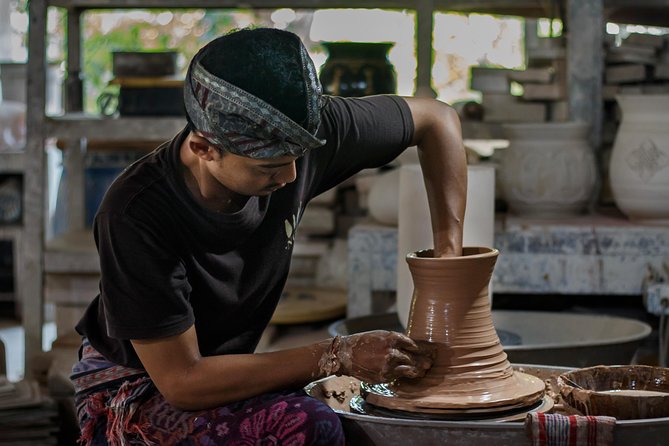
Next comes the wheel. You learn the basic operation of the wheel throwing machine and practice keeping the clay centered while it spins. The teacher also shows you how to use your hands to balance and guide the clay as it changes shape.
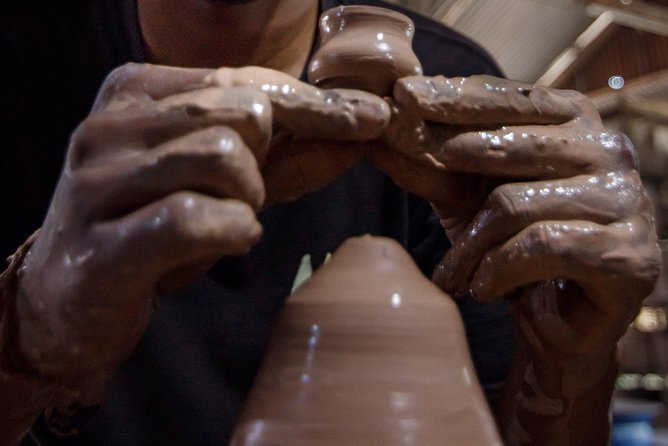
This is the part that takes patience. A spinning lump of clay does not automatically become a bowl or cup. You need steady pressure, a balanced hand, and some willingness to accept imperfect results. The class lets you experiment, so you can try more than one shape instead of placing all your hopes on a single pot.
The description says you can make as many shapes as you wish with the provided clay, then bring home your best three creations. That is a sensible arrangement for beginners. Your first attempt may lean, collapse, or turn out smaller than planned. Having enough clay for several tries gives you room to learn without treating every mistake as a disaster.
A few more Ubud trips worth weighing up
- Ubud Cooking Class Bali with Balinese Chef
★ 5.0 · 1,609 reviews - Ubud Silver Class Jewelry making in bali
★ 5.0 · 978 reviews - PRIVATE Authentic Balinese Cooking Class in Ubud at Putu’s Home
★ 5.0 · 644 reviews
Learning wheel throwing without prior experience
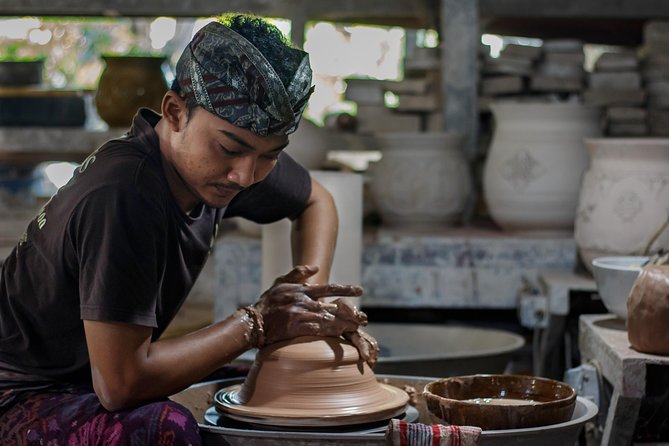
Most people can participate, and no previous pottery skill is stated as necessary. The teaching covers basic hand technique and wheel use, so the class is aimed at beginners rather than experienced ceramic artists seeking advanced instruction.
You should expect to learn the foundations rather than master the craft in one morning or afternoon. The three-hour format is long enough to explain the process and allow repeated attempts, but pottery requires practice. Your final pieces may have uneven walls or unusual shapes, and that is part of the charm of a first session.
One review praised the friendly staff and the help provided with new creations. That is the strongest reason to choose this class over a simple tourist craft activity. You are not only given clay and a machine. You receive guidance as you work through the basic motions.
There is one important qualification. Another participant felt that the teachers did most of the work and finished about two hours early. That suggests the quality of the hands-on portion may depend on how actively you ask to take control. If the instructor reaches in to rescue a collapsing pot, ask to try again and clarify how much help you want.
I would tell the teacher at the start that you want to operate the wheel yourself, even if your first pieces fail. For many people, the learning comes from feeling the clay respond under their hands. A perfect pot made mostly by the instructor is less useful than a crooked pot you shaped yourself.
A working factory instead of a staged craft room
The workshop operates from its own ceramic factory. That gives the class a practical setting: you can see the tools, raw materials, wheel equipment, and machinery used in the pottery business.
You should not expect a polished museum display or a formal cultural performance. The appeal is closer to a look behind the scenes of a working studio. The setting may help you understand that pottery is a production process involving clay preparation, shaping, coloring, drying, firing, and glazing.
This also adds value to the $50 price. You are paying for material, machine time, instruction, and the use of a real production space. The private arrangement matters too, since only your group participates. It may be a good fit for couples, families, or friends who want a shared activity without being folded into a large class.
The factory location is in Guwang, Sukawati, in Gianyar Regency, rather than in central Ubud. That distinction matters. If you are staying in Ubud, you need to allow time for your own transport to Jl. Nakula No. 511. Private transportation is not included, and the class starts and ends at that meeting point.
One practical warning deserves attention. A past participant had difficulty contacting the operator, despite several emails and phone calls, and eventually needed help from a local person to find the property. Confirmation is supposed to arrive at booking, but I would still save the address, check the local phone contact, and confirm directions before the day of the class. Do not leave the meeting point to guesswork.
Choosing and coloring your three best pieces
Once you have shaped your pottery, you select up to three creations to take home. The wording allows you to make several forms, then keep the three you like best. This limit is useful because it keeps the final firing and glazing work manageable.
Coloring materials are included if you want to vary your art. The information does not specify the full color range or exact decoration method, so ask the instructor what is available when you arrive. You may prefer plain clay forms, while another person in your group may want to add color or simple surface decoration.
I would resist trying to make every piece elaborate. A clean, simple bowl or small vessel may survive the later process better than a complicated shape made in a hurry. Since you get to choose three, use the session to test different forms and keep the pieces with the best balance and structure.
The finished pottery is not ready to take home at the end of the three hours. It must go through the stated combustion or firing process, and glazing may also be arranged. The full process can take from one week to four weeks.
A completely different kind of day out in Ubud:
- All-Inclusive Ubud Private Tour
★ 5.0 · 14,344 reviews - Best of Ubud Full-Day Tour with Jungle Swing
★ 5.0 · 8,571 reviews - Ubud: Monkey Forest, Jungle Swing, Rice Terrace, and Water Temple
★ 5.0 · 7,160 reviews - Best of Ubud 1-Day Private Tour
★ 5.0 · 4,451 reviews
The extra cost and wait for firing
Firing and glazing are the biggest points to clarify before you pay. The class includes the clay, wheel use, apron, bottled water, and coloring materials, but the combustion process for the final product is listed as not included.
One response from the operator explained that baking fees are separate because including them would raise the class price. The operator also offered one piece free of charge in that response. Since the wording does not clearly establish that this offer applies to every future booking, ask for the current fee and any included piece before you attend.
This is not a minor detail if you are comparing the class with other pottery workshops. A $50 price can be good value for three hours of private instruction and several pieces, but the final total depends on the firing and glazing arrangements. Ask these questions in advance:
- Is firing included for any piece?
- What is the current fee for additional pieces?
- Is glazing included, optional, or charged separately?
- How will you receive the finished pottery?
- Does the one-to-four-week period begin after the class or after the pieces are collected for firing?
The one-to-four-week wait also affects your Bali plans. If you are leaving Indonesia in a few days, ask how the pottery will reach you. The provided details do not promise shipping, delivery, or international postage. You may need to return to the workshop, arrange local collection, or make another plan with the operator.
For a longer stay in Bali, the delay is less troublesome. You can complete the class early in your visit and collect the work later if the operator confirms that option. For a short visit, unfired pottery may be the practical souvenir unless you have a clear delivery arrangement.
Is $50 a fair price in Ubud?
At $50 per person, this is not the cheapest way to spend three hours in Bali. But price alone does not tell the whole story. Your fee covers clay, access to a wheel, instruction, an apron, bottled water, and a private session for your group.
The amount of clay is also important. If the stated 3-kilogram allowance is correct, you have enough material to make several attempts. That reduces the pressure beginners often feel when a first pot fails. You are paying for time to practice, not just for one finished object.
The value is weaker if you mainly want a polished souvenir with no extra decisions. Firing and glazing may cost more, and you must organize transportation to Guwang. A class with all finishing fees included could be easier to budget, even if its initial price is higher.
I see this as a good-value choice for someone who wants to learn by doing and enjoys the process as much as the finished pottery. It is less attractive for someone with limited time, strict transport plans, or no interest in waiting for ceramic work to be fired.
Who will enjoy this class most?
I would recommend it to first-time potters who want a private, practical introduction. The session suits people who are happy to make imperfect objects, try again, and choose their best three pieces later.
It also works well for a small group with different levels of confidence. The private setup means your party can set its own pace within the three-hour session. A patient beginner can keep practicing, while a more adventurous participant can experiment with several shapes.
Families may enjoy the activity, but the supplied information does not give a minimum age or child-specific arrangements. Ask the operator before booking for young children. The same applies to anyone who needs special physical accommodations, since no accessibility details are provided.
I would be cautious about booking if your main goal is a guaranteed three-hour lesson with no finishing charges. The early finish described by one participant is worth keeping in mind, especially if you expect the full session to be filled with guided wheel practice. Make your expectations clear at the beginning.
Practical planning for Jl. Nakula No. 511
The meeting point is Jl. Nakula No. 511, Guwang, Kec. Sukawati, Kabupaten Gianyar, Bali 80582, Indonesia. The activity ends at the same location, and private transportation is not part of the package.
Save the address before leaving your accommodation. Since communication and directions caused difficulty for one participant, I would confirm the location, start time, and return arrangements in advance. A mobile ticket is provided, so keep the booking confirmation available on your phone.
Bring a flexible attitude toward timing. The advertised length is about three hours, but one session reportedly ended roughly two hours early. The class also requires good weather, and poor conditions can lead to a different date or a full refund. The weather rule is worth noting even though the activity takes place at a factory.
There is no lunch or snack included. Bottled water is provided, and an apron is supplied, but you should plan your food around the class rather than expecting refreshments at the workshop.
Should you book the Ubud wheel throwing class?
Book this class if you want a private introduction to pottery, enough clay for several attempts, and a look inside a working ceramic factory. The friendly instruction, private format, and chance to keep three pieces give it real appeal at $50.
Before paying, confirm the clay allowance, finishing fees, pickup or delivery plan, directions, and how much hands-on wheel time you will receive. If you handle those details early, this can be a creative break from Bali sightseeing and a souvenir with your fingerprints still on it.
FAQ
How long does the wheel throwing class last?
The class lasts approximately three hours.
Where does the pottery class take place?
It takes place at Jl. Nakula No. 511, Guwang, Kec. Sukawati, Kabupaten Gianyar, Bali 80582, Indonesia.
Is transportation included?
No. Private transportation is not included, so you must arrange your own way to the meeting point.
Is the class private?
Yes. This is a private activity, and only your group participates.
How much clay is provided?
The main description states that 3 kilograms of clay are provided. Another part of the description refers to 2,000 grams, so confirm the exact amount when booking.
How many pottery pieces can I bring home?
You can choose up to three of your best creations to bring home.
Are firing and glazing included?
The class information says the combustion or firing process is not included. Glazing and baking may require an additional fee, so confirm the current charges before attending.
How long does the firing and glazing process take?
The stated time is about one week to four weeks. The finished pottery is not ready at the end of the class.
Just added around Ubud
- Vegetarian Ubud Cooking Class Bali★ 3.5 · 3 reviews
- Full Day Ubud Tanah Lot Uluwatu All Inclusive Private Tour★ 5.0 · 3 reviews
- Lovina Dolphin watching and swimming with Dolphin★ 5.0 · 3 reviews
- Bali Scenic Mount Batur Hike★ 5.0 · 3 reviews
- Cave Tubing Adventure in Ubud★ 5.0 · 3 reviews
- Bali and Lovina with Sunrise Dolphin Tour and Snorkeling★ 5.0 · 3 reviews
- Discover The Best North of Bali with Private Guide Tour★ 5.0 · 3 reviews
- Bali Swing Heaven and White Water Rafting with All Inclusive★ 5.0 · 3 reviews
Workshops, compared.

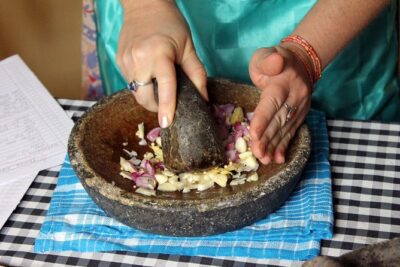
PRIVATE Authentic Balinese Cooking Class in Ubud at Putu’s Home
Read our review →

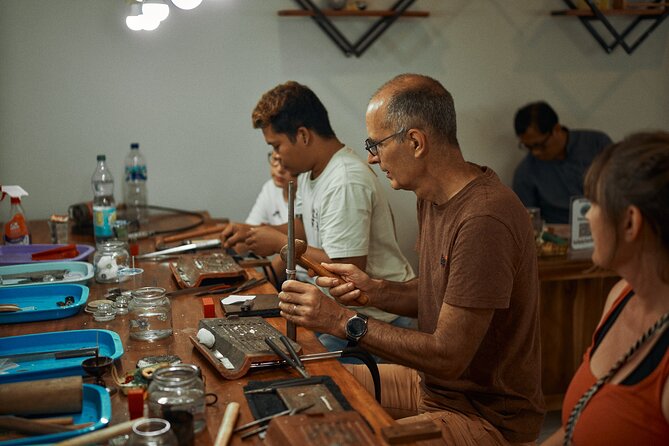
Ubud Monkey Forest Silver Class – Craft Your Own Silver Jewelry
Read our review →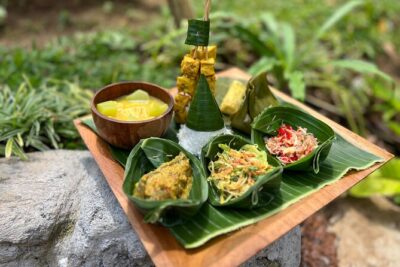

PRIVATE Balinese Cooking Class in Ubud with Dewa with Transfers
Read our review →Browse the lists this tour appears in