
Reviewed · PURIFICATION & MELUKAT CEREMONIES
Ubud Water Purification Ceremony
Sacred water, simple rituals, real meaning. This Ubud experience lets you take part in a Balinese Melukat purification ceremony at Tirta Empul, not simply walk through the temple with a camera. I like the careful guidance through prayers, offerings, and bathing, and I like that the $29 price includes admission, ceremony materials, rental clothing, and a locker. The main drawback is practical: you must arrange your own transport to Tirta Empul.
This is best for anyone who wants a quiet, personal look at Balinese Hindu practice and is willing to follow temple rules. Guides such as Hendra have been praised for explaining each step patiently, even taking photos and video when appropriate. Just bring spare underwear or swimwear and a towel, and remember that people who are menstruating are not permitted to enter the temple.
In This Review
- Key points at a glance
- Why Tirta Empul makes this more than a temple visit
- Preparing for the Melukat ceremony
- Following the prayers and offerings
- Entering the holy spring water
- Exploring Tirta Empul after the ritual
- What the $29 price really covers
- Timing, group size, and planning
- Who will appreciate this ceremony most
- Tips for a respectful visit
- Should you book the Ubud Water Purification Ceremony?
- FAQ
- Where does the Ubud Water Purification Ceremony take place?
- How long does the ceremony and temple tour last?
- Is transportation to Tirta Empul included?
- What is included in the price?
- Do I need to bring swimwear?
- Can I take part if I am menstruating?
- Is this a private activity?
- Can I cancel for a full refund?
Key points at a glance
- Take part in Melukat: You will prepare offerings, recite prayers, and enter the holy spring water as part of a traditional purification ritual.
- Tirta Empul is the setting: The ceremony takes place at one of Bali’s best-known Hindu water temples in Tampaksiring, Gianyar Regency.
- A guide stays with you: Your English-speaking guide explains the purpose and symbolism of each stage, helping you feel secure rather than guessing what to do.
- The price covers useful basics: Admission, simple rented attire, ceremony materials, and a locker are included in the $29 fee.
- You arrange the ride: Shuttle transport is not included, and the activity begins and ends at Pura Tirta Empul.
- Plan for wet clothing: Bring a towel and a change of underwear or swimwear. The ceremony lasts about one to two hours.
Why Tirta Empul makes this more than a temple visit
Tirta Empul is not presented as a backdrop for sightseeing. Its importance comes from the holy spring water and the religious practice connected with it. The Melukat ceremony is intended to cleanse the body, mind, and soul from negative energies, and Balinese Hindus have followed this tradition for centuries.
That distinction matters. A standard temple stop might give you architecture, photos, and a quick explanation. Here, you participate in the ritual itself. You prepare offerings, follow prayers, and enter the spring water under the direction of a local guide.
I appreciate the built-in explanation. Religious rituals can feel awkward when you do not know where to stand, what to hold, or why a particular action matters. This tour aims to remove that uncertainty without turning the ceremony into a performance for outsiders.
The setting also gives the activity weight. The water is not simply a swimming pool or a decorative fountain. It is treated as sacred, and the people who come here do so for spiritual renewal. You should arrive with respect and a willingness to observe temple customs.
More melukat ceremonies in Ubud:
- Ubud Tour – Balinese Healing By Shaman And Self Purification
★ 5.0 · 236 reviews - Melukat Ceremony and Temple Tour at Tirta Empul Temple
★ 5.0 · 218 reviews - Purification Holy Bath at Beji Gria Waterfall
★ 5.0 · 44 reviews
Preparing for the Melukat ceremony
The first part of the visit involves getting ready for the ritual. Included attire consists of a sarong and a simple dress, but it is not the complete traditional Balinese dress. That is useful because you do not need to arrange the basic temple clothing yourself.
You will also receive the materials needed for the ceremony. The guide helps you understand how the offerings and prayers fit into the process. This is where the private format can help. Only your group takes part in the activity, so the guide can focus on your questions and pace.
The private setup does not mean the ceremony becomes casual. You are still entering a functioning religious place, not attending a staged show. Keep your voice low, follow instructions, and allow the guide to set the rhythm.
The practical clothing rules deserve attention. You will get wet, so bring a towel and a change of underwear or swimwear. These are not optional packing suggestions if you want to stay comfortable afterward. A locker is included, giving you a place for belongings while you take part.
One firm rule applies to menstruation. People who are menstruating are strictly not allowed to enter the temple. If that happens after booking, you can request a refund or reschedule. This is an important point to consider before committing to a date.
Following the prayers and offerings
The guide leads you through each stage rather than leaving you to copy people around you. You will learn what the offerings represent and why the prayers are part of the purification. The goal is not to rush from one water spout to another, but to understand the meaning behind the actions.
Several people have particularly praised this part of the activity. Hendra, one guide named in the feedback, is described as explaining every step so clearly that the group felt comfortable and knew the purpose of what they were doing. That kind of help is valuable at a ceremony with unfamiliar customs.
Another guide was praised for explaining the metaphysics and spiritual side in detail, as well as escorting the group throughout the process. The guide may also take photos and video for you, which can be helpful when your own hands are occupied. Still, ask before any photography and follow the temple’s rules. Sacred places deserve more care than a standard sightseeing stop.
The ceremony is described as simple, but simple does not mean empty. Its impact comes from the repeated actions, the water, the prayers, and the knowledge that the ritual has a place in Balinese life. You do not need to adopt the beliefs to appreciate the care and attention given to the practice.
I would approach this with an open mind rather than expecting a dramatic transformation. The tour offers a spiritual ritual and an explanation of its purpose. What you take from it will depend partly on your own attitude.
Entering the holy spring water
The water purification is the central part of the visit. You enter the temple’s spring water and follow the sequence directed by your guide. The water is considered spiritually powerful, which is why local devotees and people seeking renewal come to Tirta Empul.
The ritual is not designed as a swim or a casual wash. You should expect a ceremonial process, with prayers and offerings connected to the water. The guide helps you move through the stages and explains the symbolism as you go.
This is also where the clothing advice becomes most important. Bring swimwear or spare underwear, plus a towel. You should be ready to change after the ritual, using the included locker for your belongings during the ceremony.
The physical demands appear moderate, but you should still have a reasonable level of fitness. You will need to move through the temple and take part in the water ritual. The total activity takes about one to two hours, so it fits fairly easily into a day of sightseeing around Ubud or Gianyar.
Do not treat the short duration as a sign that the visit is superficial. The ceremony itself is focused. You are not spending hours being driven between unrelated stops, shopping outlets, or restaurants. The time is centered on one place and one practice.
A few more Ubud trips worth weighing up
- All-Inclusive Ubud Private Tour
★ 5.0 · 14,344 reviews - Best of Ubud Full-Day Tour with Jungle Swing
★ 5.0 · 8,571 reviews - Ubud: Monkey Forest, Jungle Swing, Rice Terrace, and Water Temple
★ 5.0 · 7,160 reviews - Best of Ubud 1-Day Private Tour
★ 5.0 · 4,451 reviews
Exploring Tirta Empul after the ritual
After the water ceremony, the guide takes you through the temple complex. This second part gives you a chance to look beyond the ritual and understand the site’s history, myths, and spiritual importance.
That order works well. First, you take part in the ceremony. Then you walk through the complex with enough context to understand why Tirta Empul matters. The temple tour is not an unrelated add-on; it helps connect the physical setting with the beliefs behind the purification.
The exact route and commentary are not specified in detail, so you should not expect a fixed museum-style program. What is clear is that the guide explains the temple’s ancient stories and religious role. If you are curious, this is the moment to ask questions about the architecture, the spring, and the ceremony’s place in Balinese tradition.
The temple setting may also feel different after the ritual. You have already moved from observer to participant, so the complex is no longer just something to photograph. You have a personal frame of reference for the spaces and customs the guide describes.
Keep your expectations grounded. This is a focused temple visit, not a full-day cultural tour of Ubud. There is one listed stop, and the activity ends back at the meeting point.
What the $29 price really covers
At $29 per person, the cost is reasonable if you would otherwise need to pay separate entrance and clothing fees. The package includes:
- Entrance to Tirta Empul
- Sarong and simple dress rental
- Ceremony materials
- An English-speaking guide
- A locker
The guide is the most important part of the value. Without help, you could enter the temple, watch the ritual, and leave without understanding much of what you saw. The explanation turns the visit into a structured cultural activity.
The included attire and locker also make the visit easier. You do not need to bring temple clothing from elsewhere, and you have a place for belongings while taking part in the water purification.
The price does not include shuttle transport. That can change the total cost and effort, especially if you are staying in Ubud and need to arrange a private car or other ride to Tampaksiring. The meeting point is Pura Tirta Empul, Tampaksiring, Gianyar Regency, Bali 80552, Indonesia.
Because the tour is private, the $29 price may be particularly appealing to a small group that wants personal attention. You are not paying for a long list of stops, but you are paying for a guide-led ritual at a major sacred site.
Timing, group size, and planning
The activity lasts about one to two hours. That makes it easy to combine with other plans, but you should allow extra time for getting to the temple since transport is not included.
The experience is booked, on average, 43 days in advance. That suggests you should reserve early if your Bali dates are fixed, especially if you want a particular morning or a private appointment. Confirmation is received at the time of booking.
Only your group participates, which should make the guide’s explanations more direct. It also gives you a little more privacy during a personal ritual. Even so, the temple itself remains a public religious site, so the surrounding atmosphere may not feel secluded.
Free cancellation is available up to 24 hours before the start time for a full refund. Cancellations or changes made inside that 24-hour window are not accepted for a refund. The cut-off follows local time in Bali, so check the start time carefully before making changes.
Who will appreciate this ceremony most
I would recommend this for you if you want a meaningful cultural activity rather than another photo stop. It suits people who enjoy learning why a tradition matters and who can take part respectfully without treating the ritual as entertainment.
It is also a good fit if you prefer a small, private setting. The guide can explain unfamiliar customs, answer questions, and help you through the process without the feel of a large group tour.
You may want to skip it if you dislike getting wet, do not want to follow religious customs, or prefer a sightseeing visit with no participation. The water ritual is not a minor detail. It is the main reason to book.
It may also be unsuitable if menstruation could affect your planned date, since temple entry is not allowed during that time. If your plans are uncertain, the stated rescheduling and refund option gives you some flexibility, provided you act at least 24 hours ahead.
Tips for a respectful visit
Treat the ceremony as a religious practice first and a tourist activity second. Listen to the guide, follow instructions, and avoid assuming that every part of the ritual is suitable for photos or video.
Wear or bring practical clothing beneath the rented attire. Since you need a change of underwear or swimwear after the water ritual, pack those items where you can reach them easily.
Bring your towel from the start. A locker is included, but transport is not, so arrange your ride before arriving at the meeting point. You do not want to spend the final part of a spiritual visit trying to solve basic logistics.
Keep the schedule flexible enough to allow for the full one to two hours. The listed duration is approximate, and a ceremony should not be hurried simply to protect a tightly packed sightseeing plan.
Finally, ask questions. The strongest part of this experience is the explanation of the prayers, offerings, and symbolism. The guides praised for this activity helped people feel secure because they explained what was happening. Take advantage of that access.
Should you book the Ubud Water Purification Ceremony?
Book it if you want to participate in Balinese culture with guidance and respect. For $29, you receive the temple entrance, basic attire, ceremony supplies, a locker, and a private English-speaking guide. That is solid value, especially for anyone who might otherwise wander through Tirta Empul without understanding the ritual.
Skip it if you only want a quick temple photo or if arranging your own transport is inconvenient. You also need to be comfortable with the strict temple rules, the water ritual, and the requirement to bring a change of clothing.
For the right person, this is a small, focused activity with genuine spiritual meaning. The clearest sign of its quality is the repeated praise for patient, careful guidance. At Tirta Empul, knowing what you are doing makes all the difference.
FAQ
Where does the Ubud Water Purification Ceremony take place?
It takes place at Pura Tirta Empul in Tampaksiring, Gianyar Regency, Bali 80552, Indonesia.
How long does the ceremony and temple tour last?
The activity lasts approximately one to two hours.
Is transportation to Tirta Empul included?
No. Shuttle transport is not included. You must arrange your own transportation to and from the meeting point.
What is included in the price?
The $29 price includes the entrance fee, sarong and simple dress rental, ceremony materials, an English-speaking guide, and a locker.
Do I need to bring swimwear?
You must bring a change of underwear or swimwear because you will enter the temple’s holy spring water. You should also bring a towel.
Can I take part if I am menstruating?
No. People who are menstruating are strictly not allowed to enter the temple. If this occurs after booking, you can request a refund or reschedule.
Is this a private activity?
Yes. Only your group will participate in the private tour or activity.
Can I cancel for a full refund?
Yes, if you cancel at least 24 hours before the experience start time. Cancellations or changes made less than 24 hours before the start time are not eligible for a refund.
Just added around Ubud
- Mount Batur Sunrise Jeep Tour with Optional Activities★ 5.0 · 4 reviews
- Private Car PadangBai from/to Kuta/Seminyak/Canggu/Jimbaran/Ubud★ 5.0 · 4 reviews
- Blue Lagoon Snorkeling Kanto Lampo and Tegenungan Waterfall Tour★ 4.0 · 4 reviews
- 3Hrs Intermediate Canyoning in North Bali (Pickup, Lunch & GoPro)★ 5.0 · 4 reviews
- Full Day Tour to Water Temples UNESCO Rice Terraces in Bali★ 5.0 · 4 reviews
- Bali: Water Purification at Pura Mengening★ 5.0 · 4 reviews
- Bali Tour: Cepung Waterfall, Penglipuran Village, & Mt Batur View★ 5.0 · 4 reviews
- Bali Amazing Cycling Tour★ 5.0 · 4 reviews
Purification & Melukat Ceremonies, compared.
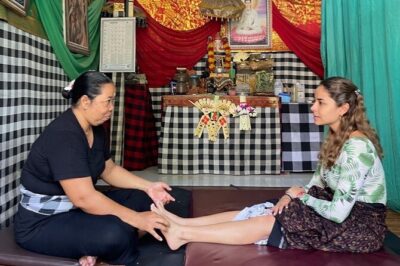
Ubud Tour – Balinese Healing By Shaman And Self Purification
Read our review →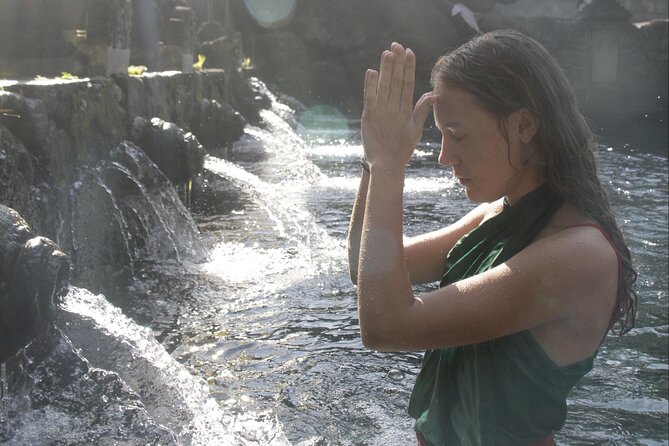
Melukat Ceremony and Temple Tour at Tirta Empul Temple
Read our review →
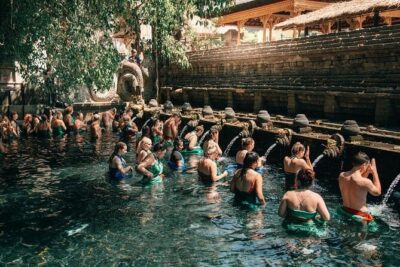
Ubud Tirta Empul Temple Tour with Purification Experience
Read our review →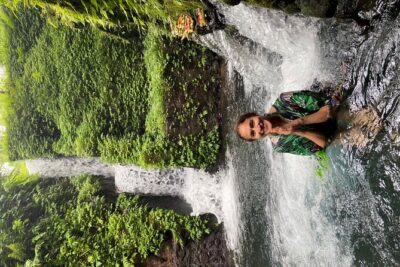
Melukat Purification Ceremony at Mengening Temple
Read our review →

Browse the lists this tour appears in