
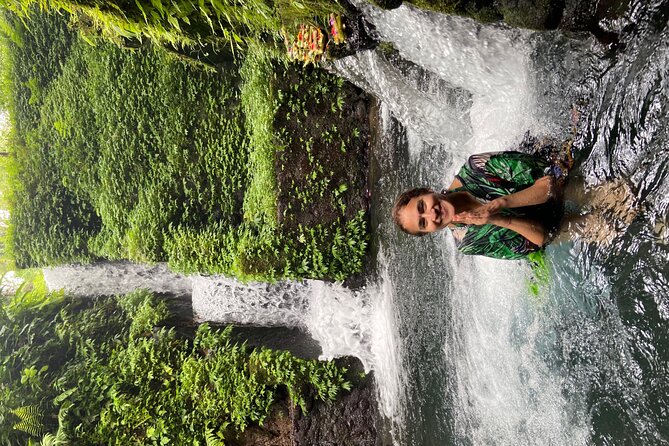
Reviewed · PURIFICATION & MELUKAT CEREMONIES
Ubud Shamanic Healing and Purification Ceremony
The spring is part of the lesson. This private Ubud experience pairs time with a Balinese balian healer and a holy-water purification at Mengening Temple, giving you a personal look at spiritual traditions that can be hard to arrange on your own. I like the private format and the quieter temple setting. The main caution is the number of stairs at Mengening, which can be hard for anyone with limited mobility.
I also like that transportation, bottled water, entrance fees, and the temple visit are included in the $50 price. Your driver and guide handle the roads while you focus on the ceremony, and past guests especially praised Tude for his friendly conversation and clear instructions. The experience is spiritual rather than sightseeing-focused, so it suits you best if you come with an open mind and modest expectations.
In This Review
- Key points to know before booking
- What this Ubud ceremony is really about
- Starting in Ubud with a Balinese healer
- Preparing offerings before Mengening Temple
- The cool springs and the purification ritual
- Why the private format is worth $50
- Transport, timing, and group size
- Who will appreciate this experience most
- What to bring and how to prepare
- Should you book the Ubud shamanic healing ceremony?
- FAQ
- Where does the experience start?
- What time does the experience begin?
- How long does the experience last?
- Is this a private tour?
- What is included in the price?
- Is lunch included?
- What happens at Mengening Temple?
- Are there separate bathing areas?
- Can I cancel for a full refund?
Key points to know before booking
- Private experience for your group: You are not combined with strangers, which makes personal questions and quiet reflection easier.
- Two very different stops: The day begins with a shamanic healing visit in Ubud and continues to Mengening Temple for a holy-water blessing.
- Mengening is less crowded: This sacred spring temple offers a calmer setting than some other purification sites in the area.
- Bring patience for the stairs: The temple visit involves walking up and down stairs, a real concern if you have a disability or trouble walking.
- $50 includes the essentials: Private transport, bottled water, entrance fees, and tickets are covered, but lunch is not.
- Flexible length, fixed start: The experience is advertised at roughly one to ten hours, with an 8:30 am start and a return to the meeting point.
What this Ubud ceremony is really about
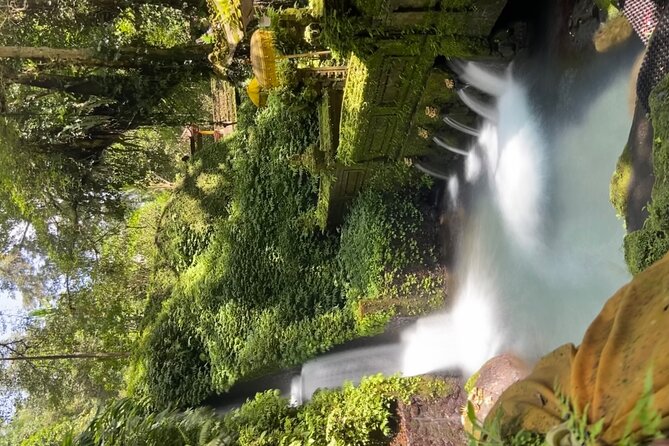
This is not a standard temple tour with a guide pointing out carvings and sending you on your way. It is built around two acts of spiritual practice: seeking guidance or healing from a balian, then taking part in melukat, a Balinese purification ritual using holy water.
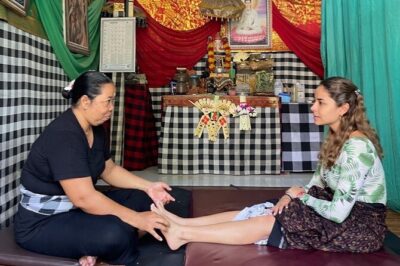
Balinese shamanic healing draws from animism, Hinduism, and traditional medicine. A balian is regarded as a healer with a special connection to the spirit world. The ceremony may include prayers, rituals, chanting, meditation, herbal remedies, talismans, crystals, and other symbolic objects.
The exact form of your session can vary. The information provided does not promise a specific diagnosis, treatment, or ritual for every person, so you should not book this as a replacement for medical care. Think of it as a cultural and spiritual experience that may also offer a quiet moment for personal reflection.
The private setup matters here. Spiritual ceremonies can feel awkward in a large group, especially if you want to ask questions or explain why you are interested. With only your own group taking part, you have more room to listen, observe, and take the experience at your own pace.
More melukat ceremonies in Ubud:
- Ubud Tour – Balinese Healing By Shaman And Self Purification
★ 5.0 · 236 reviews - Melukat Ceremony and Temple Tour at Tirta Empul Temple
★ 5.0 · 218 reviews - Purification Holy Bath at Beji Gria Waterfall
★ 5.0 · 44 reviews
Starting in Ubud with a Balinese healer
The day begins at 8:30 am, with pickup offered and the meeting point listed in Ubud, in Gianyar Regency. Round-trip private transportation is included, which is useful in Bali, where road travel can take more time than a map suggests.
At the healer’s home, you can expect an introduction to traditional Balinese healing and a ceremony shaped by the balian. The process can involve prayer, chanting, meditation, symbolic objects, and herbal remedies. One past guest described receiving light refreshments at the healer’s house, though this should not be treated as a guaranteed part of every visit.
The driver and guide play an important part in making this opening section comfortable. Tude received especially warm praise for his conversation, helpful explanations, and care in making sure the group understood what was happening. That kind of support is valuable because the customs may be unfamiliar, and the experience works better when you know when to watch, listen, participate, or simply be respectful.
You should arrive ready to observe rather than demand a dramatic result. The word healing can mean different things here. Some people may seek mental relief, physical healing, spiritual balance, or a sense of renewal. The experience provides access to a traditional practice, but no responsible visitor should expect a guaranteed medical outcome.
This is also the part of the day where your personal attitude matters most. You do not need to share the beliefs behind the ceremony, but you should treat them seriously. Listen carefully, avoid turning the ritual into a photo session, and ask questions through your guide when you are unsure.
Preparing offerings before Mengening Temple
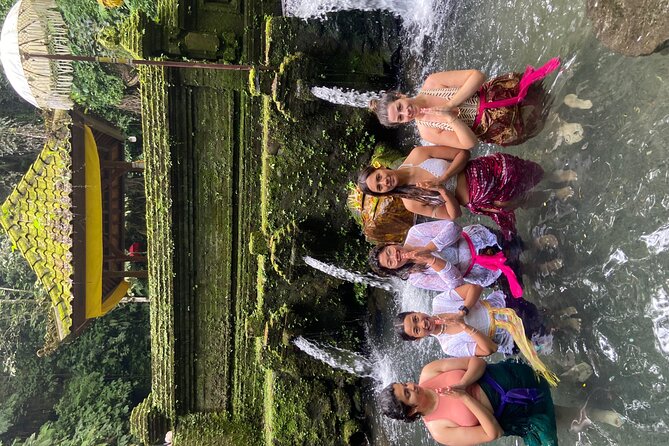
The second stop is Pura Mengening, in Saraseda village near Tampaksiring in Gianyar Regency. The temple is known as a place for melukat, or self-cleaning with holy water, and for requesting tirtha, the holy water used by Hindus in ceremonies.
Before bathing, you are expected to present a canang, a traditional offering, along with incense. This is more than a quick entrance ritual. Preparing an offering helps you understand that the spring is an active place of worship, not simply a scenic pool where you happen to take a swim.
The tour includes the entrance fee and ticket, but the supplied information does not spell out every step of offering preparation. Your guide should help explain what to do. If you are unsure, pause and ask before entering the water or beginning prayers. Showing care is more important than pretending you already understand everything.
Mengening is described as less crowded than other purification temples in the area. That can make a real difference. A quieter setting allows you to hear instructions, notice the natural surroundings, and take part without feeling rushed by a stream of other groups.
The cool springs and the purification ritual
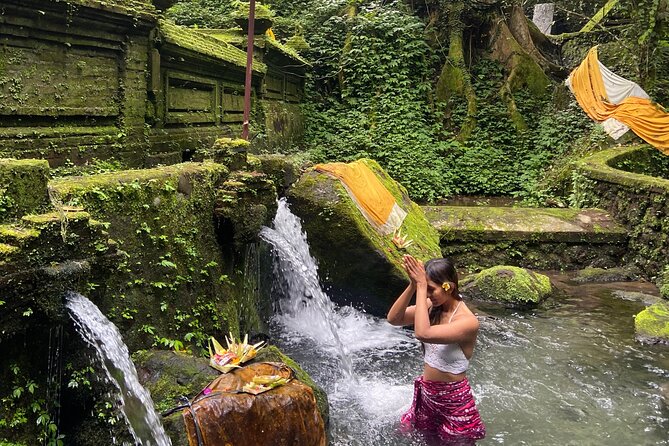
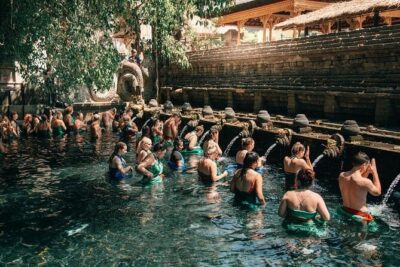
The spring water at Mengening is described as clear and cool, with natural sources said to have existed since the 11th century. The bathing area is divided into separate pools for women and men, an arrangement that gives the ritual a clear structure and a measure of privacy.
The holy-water bath is meant to cleanse you physically and spiritually. You will be expected to present the offering and incense first, then bathe and pray for physical and spiritual coolness. This is a religious practice, not a casual dip, so follow the instructions and treat the water, temple, and other worshippers with respect.
The setting adds to the experience. Pura Mengening is in a cool area with attractive natural scenery, and the spring itself is the focus rather than a long list of monuments. If you prefer a personal ritual to a crowded sightseeing stop, this may be the strongest part of the day.
There is one practical problem you should take seriously: the stairs. One person with a slight disability found the walking up and down extremely difficult. The operator apologized and said another option with fewer stairs may sometimes be possible, but you should discuss your mobility needs before booking rather than rely on a last-minute adjustment.
Good footwear will help, although no special equipment is listed as included. You should also be prepared for wet clothes after the bath. The provided information does not specify changing facilities, towels, or a dress code, so ask the provider what to bring before you go.
A few more Ubud trips worth weighing up
- All-Inclusive Ubud Private Tour
★ 5.0 · 14,344 reviews - Best of Ubud Full-Day Tour with Jungle Swing
★ 5.0 · 8,571 reviews - Ubud: Monkey Forest, Jungle Swing, Rice Terrace, and Water Temple
★ 5.0 · 7,160 reviews - Best of Ubud 1-Day Private Tour
★ 5.0 · 4,451 reviews
Why the private format is worth $50
At $50 per person, the value depends on what you want from a Bali day. You are paying for private transportation, bottled water, admission, and a guided visit to two spiritual sites. You also avoid arranging a driver, finding the healer, working out the temple procedure, and navigating rural roads yourself.
For a private experience, that is a fair package. The price is easier to justify if your group has two or more people who want the same ceremony, since the time and transport are arranged around you rather than a large shared schedule.
The price does not include lunch. Since the experience starts at 8:30 am and the advertised duration ranges from one to ten hours, the end time is not precise enough to plan a full afternoon without checking first. Bring enough water and arrange food around the schedule, but remember that bottled water is included.
The wide one-to-ten-hour duration is another point to clarify. The actual day may depend on pickup distance, traffic, time spent with the healer, temple procedures, and the return drive. If you have a flight, reservation, or fixed afternoon plan, ask for a more exact estimate before committing.
Transport, timing, and group size
Round-trip private transport is one of the practical strengths of this experience. Pickup is offered from much of Bali, while the listed starting point is Ubud. Confirm the exact pickup area and any travel time before booking, especially if you are staying outside Ubud.
The activity ends back at the meeting point. That makes it easier to return to your hotel or continue your day, but the flexible duration means you should avoid scheduling something tight immediately afterward.
Your group is the only group taking part. This is particularly useful during the healing session, when a large tour can make the visit feel staged. It also lets you move through the temple ritual with more space, though private does not mean the ceremony can be changed into a completely custom program.
Most people can participate, according to the supplied details, but the stairs create a specific limitation. If you have mobility concerns, explain them clearly when booking. The operator has indicated that a lower-stair option may sometimes be available, but that alternative is not guaranteed.
Who will appreciate this experience most
I would recommend this experience to you if you want a spiritual encounter with Bali rather than another market, viewpoint, or cultural show. It is a good match for a couple, family, or small group that values privacy and wants a guide to manage the practical side.
It may also suit you if you are curious about Balinese healing but do not know where to start. The healer visit gives you an introduction, while Mengening shows how water, offerings, prayer, and temple space work together in a purification ceremony.
You should think twice if you want a tightly timed tour with a clear sightseeing checklist. The experience is personal and ceremonial, and the meaning may be more important than the number of things you see.
It is also a poor fit if you expect a guaranteed cure. Traditional healing can be meaningful, but it should complement, not replace, professional medical treatment. The experience is best approached with respect, curiosity, and no promise that one ritual will solve a health problem.
What to bring and how to prepare
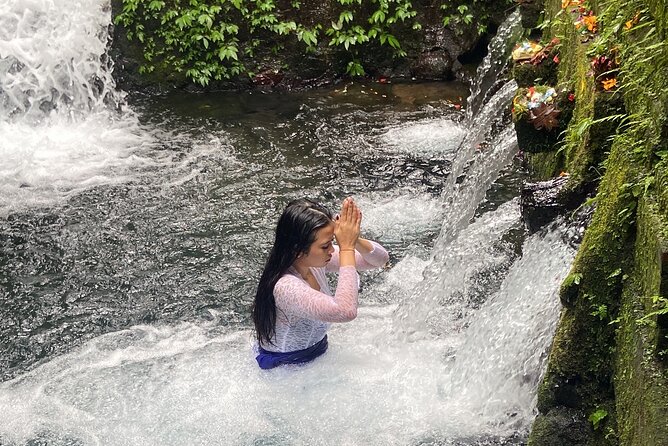
Wear clothing that lets you take part respectfully at a temple. The supplied details do not state exact clothing rules, so ask the provider before departure. Since you will bathe in spring water, bring a change of clothes and confirm whether towels are provided.
Plan for stairs at Mengening. Shoes with a secure grip are sensible, and you should tell the provider about any disability or walking difficulty in advance. The operator has acknowledged that a less demanding alternative may be possible in some cases.
Bring questions for the guide, but do not treat the ceremony like a performance. Your guide can help explain unfamiliar actions, and Tude’s ability to make people comfortable was a clear strength. A calm, respectful attitude will make the visit better for you and for the people who use the temple for worship.
Weather matters, too. The activity requires good weather. If poor conditions cause cancellation, you are offered another date or a full refund.
Should you book the Ubud shamanic healing ceremony?
Book it if you want a private, reflective experience that connects a traditional healer with a genuine purification site. The $50 price is sensible for private transport, admission, bottled water, and the help of a guide, especially if you would otherwise need to arrange these pieces yourself.
The best reasons to choose it are the personal format, the quieter setting at Mengening, and the strong support from the driver and guide. The main reasons to hesitate are the uncertain total duration, no included lunch, and the stairs at the temple.
Canceling is free if you do so at least 24 hours before the 8:30 am start. Changes made within 24 hours are not accepted, and late cancellations are not refunded. If you can handle the walking and approach the ceremony with respect, this offers a thoughtful side of Bali that a standard sightseeing outing rarely provides.
FAQ
Where does the experience start?
The listed meeting point is Ubud, in Gianyar Regency, Bali. Pickup is offered, including from much of Bali, but you should confirm the exact pickup location when booking.
What time does the experience begin?
The start time is 8:30 am.
How long does the experience last?
The approximate duration is listed as one to ten hours. The exact length can vary, so confirm the expected return time if you have later plans.
Is this a private tour?
Yes. Only your group participates in the private activity.
What is included in the price?
Private transportation, bottled water, entrance fees, and tickets are included.
Is lunch included?
No. Lunch is not included.
What happens at Mengening Temple?
You present a canang and incense, then take part in bathing and prayer in the sacred spring pools used for melukat, or self-cleaning with holy water.
Are there separate bathing areas?
Yes. The bathing pool is divided into one area for women and a separate area for men.
Can I cancel for a full refund?
Yes, if you cancel at least 24 hours before the experience starts. Cancellations made less than 24 hours before the start time are not refunded. If poor weather cancels the activity, you are offered another date or a full refund.
Just added around Ubud
- Kintamani Batur Jeep Sunrise Tour★ 5.0 · 3 reviews
- Bali Downhill Cycling and White Water Rafting★ 5.0 · 3 reviews
- Ubud Highlights Rice Terraces, Temple, Waterfall & Monkeys forest★ 5.0 · 3 reviews
- Bali ATV Quad Bike & Ayung River Rafting Combo with Lunch★ 5.0 · 3 reviews
- Half Day Uluwatu Temple Sunset, Kecak Dance and Seafood Dinner★ 3.5 · 3 reviews
- Blue Lagoon Snorkeling and Lunch with Tukad Cepung Waterfall★ 5.0 · 3 reviews
- Ancien Wisdom and Culture tour★ 5.0 · 3 reviews
- Full-Day Tour in Nusa Penida Island + Snorkeling Experience★ 5.0 · 3 reviews
Purification & Melukat Ceremonies, compared.
Ubud Tour – Balinese Healing By Shaman And Self Purification
Read our review →
Melukat Ceremony and Temple Tour at Tirta Empul Temple
Read our review →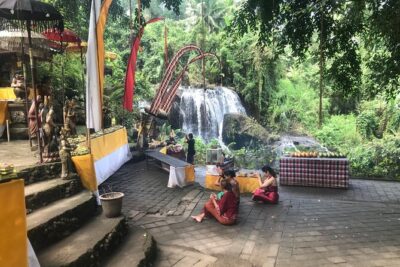
Ubud Tirta Empul Temple Tour with Purification Experience
Read our review →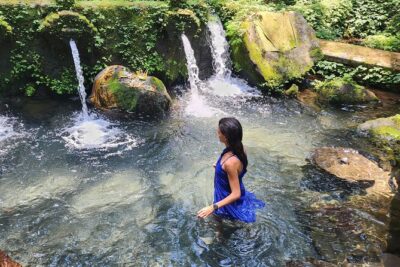
Melukat Purification Ceremony at Mengening Temple
Read our review →

Browse the lists this tour appears in