
Reviewed · THE NUSA ISLANDS TOURS
Open Water Course in Nusa Lembongan – Get Certified on remote island (next Bali)
Underwater breathing changes your sense of the world. This SSI Open Water Course in Nusa Lembongan gives you a full introduction to scuba, from classroom theory and shallow-water practice to at least four ocean sessions at sites around Lembongan and nearby Nusa Penida. I like the small-island setting, where the course combines training with real marine sites, and I like that the package includes the full equipment set, from mask and fins to tanks. The main consideration is time: you need roughly three days, a moderate level of fitness, and enough flexibility for sea and weather conditions.
The teaching also gets strong praise, especially from people who worked with instructors such as Silvère, Kaka, Pablo, and Loïc. That matters if you feel nervous about breathing underwater or remembering several new skills at once. Manta rays, turtles, sharks, octopus, fish, and coral may appear, but wildlife is never promised, and one recent experience could not reach Manta Point.
In This Review
- Key points to know before booking
- Why Nusa Lembongan is a smart place to learn scuba
- What the three-day course actually involves
- Crystal Bay: a promising first major site
- Mangrove Point at Nusa Lembongan
- Toyapakeh: another chance to build confidence
- Jungut Batu Beach: training close to the island
- Is the $461.48 price good value?
- What the marine life can add to the course
- Who will feel comfortable on this course?
- Practical planning for your island stay
- Should you book the Nusa Lembongan SSI course?
- FAQ
- How long does the Open Water Course take?
- What certification do I receive?
- What is included in the price?
- Are manta rays guaranteed?
- Where does the course begin and end?
- Is accommodation included?
- What happens if bad weather cancels the course?
Key points to know before booking
- Three days of real certification work: Expect theory, at least five shallow-water training sessions, and at least four ocean sessions.
- SSI certification to 60 feet: Completing the course qualifies you to scuba to 18 meters, under the SSI system.
- Four varied local sites: The plan includes Crystal Bay, Mangrove Point, Toyapakeh, and Jungut Batu Beach.
- Patient instruction is a major strength: Silvère, Kaka, Pablo, and Loïc are among the instructors praised for calm explanations and personal attention.
- Equipment and facilities are included: You get scuba equipment, Wi-Fi, lockers, bathrooms, showers, changing space, and access to a restaurant.
- Wildlife is possible, not guaranteed: Manta rays are a key attraction, but sea conditions can change the plan.
Why Nusa Lembongan is a smart place to learn scuba
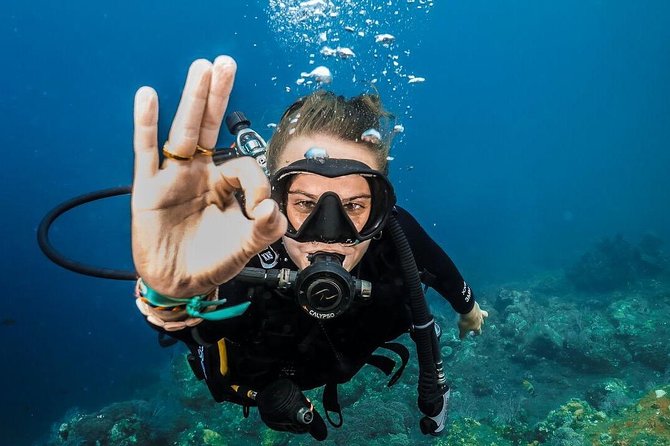
Nusa Lembongan offers a useful middle ground for a first certification. You are away from Bali’s larger resort areas, yet you still have access to a proper training center and several established underwater sites. The island setting gives the course a focused feel. For three days, your main task is learning, practicing, and becoming comfortable in the water.
That focus is valuable for beginners. A first scuba course can feel like a lot to manage. You learn how to use the equipment, control your breathing, clear a mask, respond to problems, and move safely underwater. The course is not simply a sightseeing outing with a short lesson attached. It is a real qualification program with theory, skills practice, and supervised ocean work.
I also like the way the course builds in stages. You begin by learning the basic ideas of scuba. Then you practice in shallow water, using at least five training sessions to repeat the essential skills. Only after that do you move into deeper ocean conditions, with at least four sessions that let you apply those skills in a genuine marine setting.
The result should suit you if you want more than a one-time introductory swim. A discovery session can show you what scuba feels like, but an SSI Open Water qualification gives you a foundation for future scuba trips. You can finish with a recognized certification and the ability to go down to 60 feet, or 18 meters, within the limits of your training.
A few more the Nusa Islands trips worth weighing up
- ️Nusa Penida by Private Boat – Snorkeling 4 spots, Swim with Mantas + Land Tour
★ 5.0 · 6,424 reviews - Bali to Nusa Penida: Premium Private Full Day Tour-All Inclusive
★ 5.0 · 764 reviews - One Day Nusa Penida Island West with Snorkeling
★ 4.5 · 560 reviews
What the three-day course actually involves
The schedule is described as a two-day course in one part of the information, but the tour summary and customer experiences point to roughly three days for the full Open Water program. Plan around three days rather than trying to squeeze it between short island stops.
The first stage is theory. You learn the basics of pressure, equipment, safety, underwater communication, and responsible conduct. The exact classroom format is not specified, so you should confirm the daily timetable when booking. Still, the course clearly requires more than a quick briefing before getting wet.
Next comes shallow-water training. At least five sessions are used to practice basic exercises from a beach or swimming pool. This is where you learn the routine that makes later ocean work feel manageable. Repetition is a benefit here, especially if your first attempt feels awkward or you become tense while wearing a mask and regulator.
The final stage includes at least four ocean sessions. You practice the same core skills in open water, then spend time observing the seafloor and marine life. This is the rewarding part, but it is also where current, visibility, waves, and weather can affect the plan.
The instructor is central to the experience. Silvère is repeatedly singled out for clear teaching and for adapting to a student’s level. Kaka is praised for patience, explanations, and knowledge of fish and coral. Pablo and Loïc also receive strong personal praise, with Loïc described as professional and reassuring from the first lesson.
You should not choose an instructor based on a promised name unless the center confirms availability. Still, these names give you a useful sense of the teaching culture: calm, patient, and willing to slow down when a beginner needs it.
Crystal Bay: a promising first major site
Crystal Bay is listed as the first stop. It is associated with the wider Nusa Penida area and is one of the places where marine wildlife may be part of the appeal. The course material specifically promotes manta rays, so you may hope for one of the region’s famous encounters.
Keep your expectations sensible. A manta sighting depends on conditions and animal movement, and no wildlife encounter can be guaranteed. Crystal Bay may be an exciting setting, but your priority during a certification session remains buoyancy, breathing, communication, and safe movement.
For a new scuba student, the value of a site like Crystal Bay is that it adds real-world interest to the skills you have been practicing. You are not only completing exercises in a controlled area. You are learning how to stay composed while surrounded by open water and marine life.
If you are nervous, tell your instructor before entering the water. One of the strongest themes in the feedback is that good instructors stay calm when a student panics. That kind of support is more important than chasing a particular animal.
Mangrove Point at Nusa Lembongan
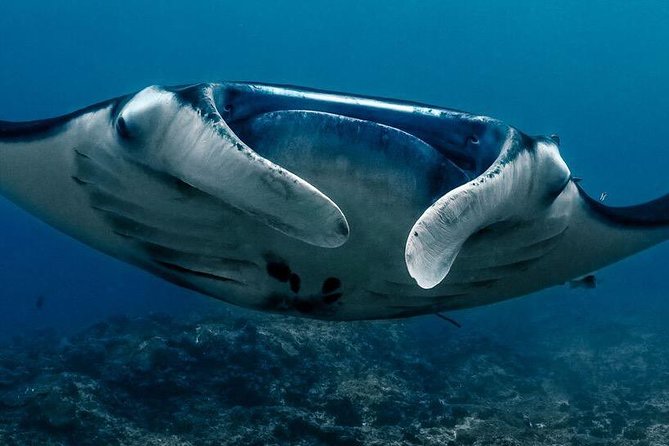
Mangrove Point brings the course closer to Lembongan and adds variety to the itinerary. The name points to the mangrove area at the northern end of the island, while the underwater session gives you another chance to practice in a different setting.
The itinerary does not provide exact depths, current conditions, or a detailed marine-life list for this stop. Do not assume every session will look the same. Your instructor may adjust the location or exercises based on sea conditions and your progress.
I like having several sites in the program because it prevents the course from feeling repetitive. You get to see how your equipment and body control feel in different water conditions. That is useful preparation for future scuba trips, where the setting will not always be as calm or familiar as your training area.
A completely different kind of day out in the Nusa Islands:
- 2 Days Discover Scuba Diving in Nusa Lembongan – Scuba Initiation
★ 5.0 · 506 reviews - One Day Nusa Penida Island West & East
★ 4.5 · 425 reviews - Advanced Open Water Course – Advanced Certification in Lembongan (next to Bali)
★ 5.0 · 222 reviews - 5 Fun Dives in Nusa Lembongan (for certified divers) – Swim with a Mola Mola
★ 5.0 · 205 reviews
Toyapakeh: another chance to build confidence
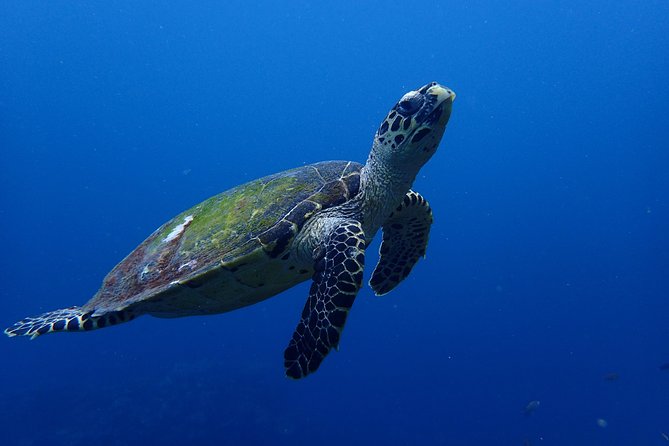
Toyapakeh is the third listed site and lies in the Nusa Penida area. It is included as part of the ocean training and exploration schedule, giving you another location in which to apply the skills from the shallow sessions.
The most important benefit here is progression. By the time you reach a later ocean session, you should have had more time to settle into the equipment and communicate with your instructor underwater. You can focus less on the surprise of breathing through a regulator and more on posture, movement, and looking around.
That said, the course is not a sightseeing cruise with guaranteed conditions. Toyapakeh may be affected by weather and sea conditions, and the exact order or choice of sites may change. The operator states that poor weather can lead to a new date or a full refund, which is a useful safeguard for a weather-dependent activity.
Jungut Batu Beach: training close to the island
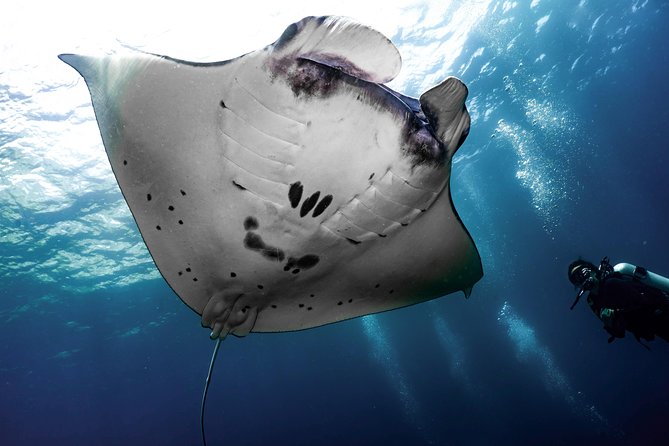
Jungut Batu Beach is both the meeting area and one of the listed water locations. The dive center is at Jungutbatu, so this stop may be convenient for training and for getting in and out of the water without a long transfer.
The beach setting can be especially helpful early in the course. You can concentrate on basic exercises in a familiar, shallow environment before tackling deeper ocean sessions. If you are still working on mask skills or breathing control, that extra sense of security can make a real difference.
The center provides showers, bathrooms, lockers, a changing room, Wi-Fi, and a restaurant. These are not glamorous extras, but they improve a three-day course. You have somewhere to store belongings, change clothes, rinse off, take a break, and wait between lessons.
Accommodation is not included, though dormitory rooms and bungalows are available at the center. If you choose to stay there, confirm the price and availability separately. Staying close could simplify your mornings, but you should not treat it as part of the $461.48 course price.
Is the $461.48 price good value?
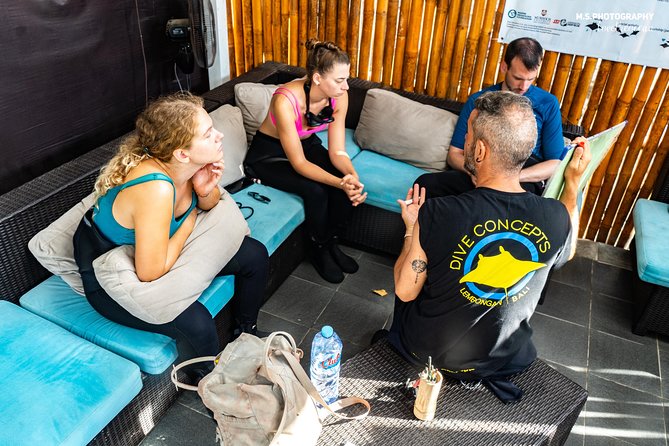
At $461.48 per person, this is not a cheap introductory activity. It is also not priced like a short try-scuba session. You are paying for a multi-stage SSI qualification, an instructor, full scuba equipment, at least five shallow-water training sessions, and at least four ocean sessions.
That makes the price easier to understand. The package includes the costly practical elements of scuba training: tanks, mask, fins, and the rest of the equipment needed for the course. You also get access to the center’s facilities, which saves you from arranging gear or finding a separate training venue.
The value is strongest if you genuinely want certification. If your only goal is to see fish once, a shorter introductory experience may be more suitable. If you expect to scuba again, the certification can make this a sensible investment, provided you complete all the required work and receive the SSI qualification.
The course is commonly booked around 35 days ahead. That suggests you should not leave it until the last minute, especially if your island schedule is fixed. I would also allow a spare day around the course if possible. Weather can affect ocean activities, and rushing straight into a ferry or flight after the final session is not wise.
Digital photographs and videos are extra. Some instructors may take GoPro images, but you should treat that as a paid add-on rather than part of the package. If underwater photos matter to you, ask about the cost before the course begins.
What the marine life can add to the course
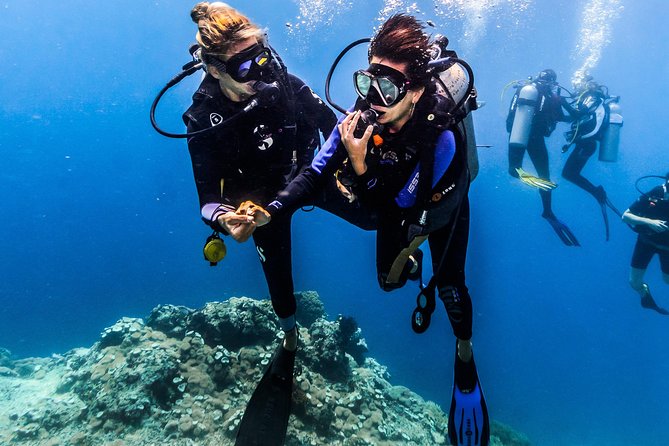
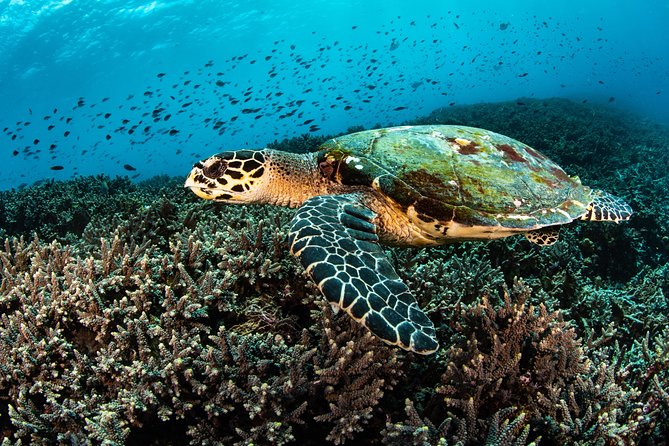
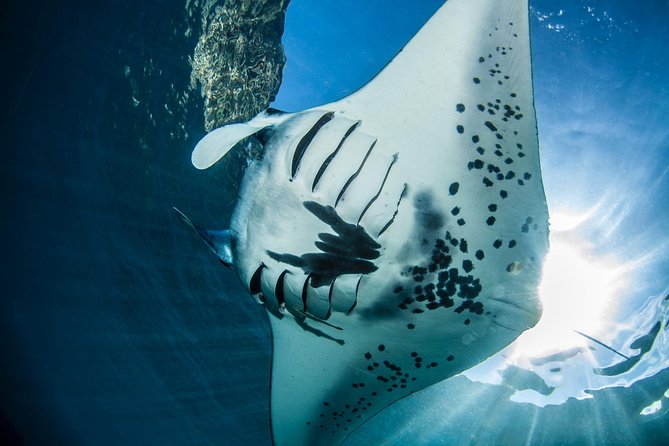
Manta rays are the headline attraction, and the promotional material makes them a clear part of the experience. You might also encounter turtles, sharks, octopus, fish, and coral. Those possibilities give the course a memorable setting and can make the effort of learning new skills feel worthwhile.
Still, wildlife should be a bonus, not the reason you ignore your training. A student focused only on finding a manta may miss important instructions or become distracted. Your best approach is to keep your breathing steady, stay close to the instructor, and enjoy whatever appears.
Manta Point is not listed among the four formal stops, and one experience could not reach it. That is a useful warning. The local sea can change the plan, and an advertised wildlife possibility is not a promise of a particular site or animal.
Who will feel comfortable on this course?
The minimum age is 10, but age alone does not tell you if the course is right for you. You need a moderate level of physical fitness and enough comfort with water to handle several training sessions and at least four ocean sessions.
This is a good fit for you if:
- You want a recognized first scuba qualification.
- You can set aside about three days.
- You are willing to study theory and repeat basic exercises.
- You would like supervised access to Nusa Lembongan and nearby Nusa Penida sites.
- You value patient instruction over a rushed schedule.
It may not suit you if you only have a few free hours or dislike structured learning. It is also worth thinking carefully about anxiety. Feeling nervous is normal, and the instructors are praised for helping students through difficult moments, but you still need to communicate clearly and take the training seriously.
The activity is described as private, with only your group participating. Confirm exactly how that affects the instructor-to-student arrangement, since the provided details do not state the maximum number of people in a group. Service animals are allowed.
Practical planning for your island stay
The meeting point is Dive Concepts Lembongan in Jungutbatu, Nusa Lembongan. The center is open daily from 8 a.m. to 8 p.m. The activity begins and ends at the same meeting point.
You should arrange accommodation separately unless the center confirms a room as part of your booking. Dormitory rooms and bungalows are available at the center, but they are not included in the stated price.
Pack practical swim and sun gear, though the official package covers the scuba equipment itself. Bring enough time between sessions to rest, eat, and absorb the lessons. The center’s restaurant and facilities make breaks easier, but the course still asks a lot of your attention and energy.
Cancellation is free up to 24 hours before the start time for a full refund. Changes or cancellations inside that window are not accepted for a refund. If bad weather forces the operator to cancel, you can choose another date or receive a full refund.
Should you book the Nusa Lembongan SSI course?
I would book this course if you want a proper first qualification and can give Nusa Lembongan about three unhurried days. The combination of structured SSI instruction, full equipment, repeated shallow practice, and at least four ocean sessions offers much more value than a quick introductory swim.
I especially like the apparent teaching strength. Instructors such as Silvère, Kaka, Pablo, and Loïc are praised for patience, clear explanations, and calm support when a student feels panicked. That can make or break a first course.
I would not book it solely for manta rays. Wildlife and site access depend on sea conditions, and Manta Point is not guaranteed. Book it for the training, the certification, and the chance to learn in a beautiful island setting. The rays, turtles, and other marine life are the reward if the ocean cooperates.
FAQ
How long does the Open Water Course take?
The experience lasts approximately three days. It includes theory, at least five shallow-water training sessions, and at least four ocean sessions.
What certification do I receive?
The course provides SSI International Open Water certification. The qualification allows scuba to a maximum depth of 60 feet, or 18 meters.
What is included in the price?
The price includes a certified instructor, scuba equipment, and use of the dive center facilities. Equipment includes items such as a mask, tank, and fins.
Are manta rays guaranteed?
No. Manta rays are promoted as a possible highlight, but wildlife sightings and particular sites depend on sea conditions. One experience could not reach Manta Point.
Where does the course begin and end?
The course begins at Dive Concepts Lembongan in Jungutbatu, Nusa Lembongan, and ends back at the same meeting point.
Is accommodation included?
No. Accommodation is not included in the course price. Dormitory rooms and bungalows are available at the dive center separately.
What happens if bad weather cancels the course?
If the operator cancels because of poor weather, you can choose a different date or receive a full refund. You can also cancel for a full refund if you do so at least 24 hours before the start time.
Just added around the Nusa Islands
- ATV Quad Bike Kuber Through Waterfall, Tunnel And Rice Field★ 5.0 · 3 reviews
- Snorkeling with Manta Rays in Their Habitat with Manta Point★ 4.5 · 3 reviews
- Snorkeling adventure to the manta ray habitat in Nusa Penida★ 5.0 · 3 reviews
- Gong Sound Healing on Nusa Lembongan, Bali★ 5.0 · 3 reviews
- Nusa Penida Private Car Charter★ 5.0 · 4 reviews
- Three Islands Snorkeling (3 Spots) Manta Rays – From Lembongan★ 4.5 · 5 reviews
- Mangrove Reforestation and Exploration around the Nusa Islands★ 5.0 · 5 reviews
- Nusa Penida Jet Ski Trip★ 4.0 · 5 reviews
The Nusa Islands Tours, compared.
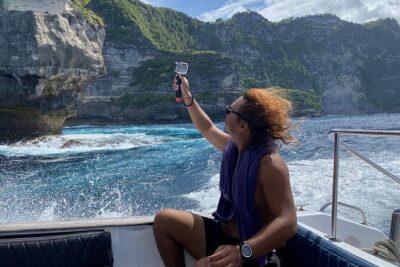
Nusa Penida by Private Boat – Snorkeling 4 spots, Swim with Mantas + Land Tour
Read our review →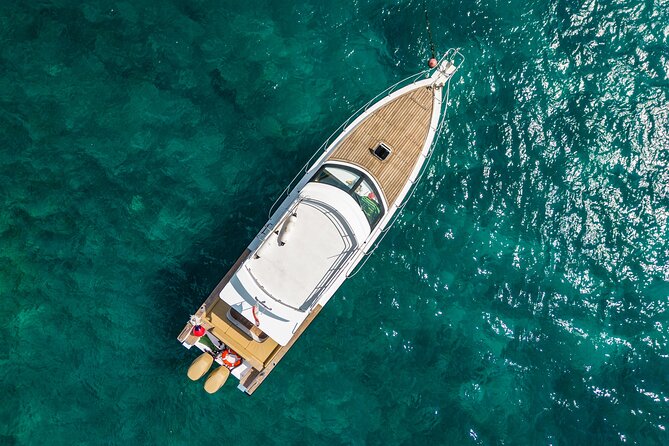
Bali to Nusa Penida: Premium Private Full Day Tour-All Inclusive
Read our review →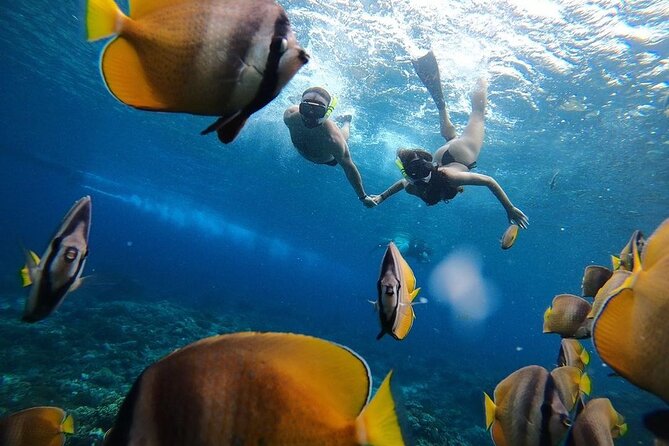
One Day Nusa Penida Island West with Snorkeling
Read our review →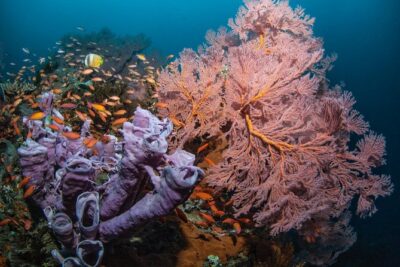
2 Days Discover Scuba Diving in Nusa Lembongan – Scuba Initiation
Read our review →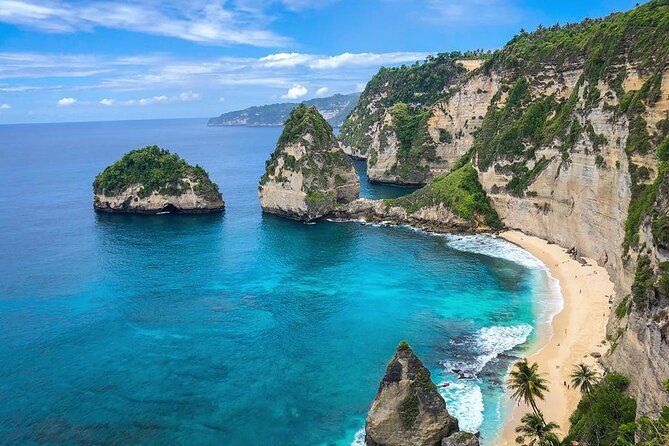
Advanced Open Water Course – Advanced Certification in Lembongan (next to Bali)
Read our review →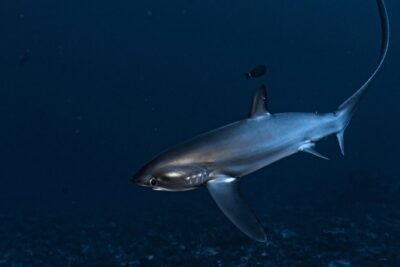
5 Fun Dives in Nusa Lembongan (for certified divers) – Swim with a Mola Mola
Read our review →
Nusa Penida Two Dives Trip for Certified Divers
Read our review →Browse the lists this tour appears in