
Reviewed · THE NUSA ISLANDS TOURS
Advanced Open Water Course – Advanced Certification in Lembongan (next to Bali)
See five sides of underwater Lembongan. This two-day SSI course takes you beyond basic certification with deeper training, compass work, and three chosen specialties. I like the small maximum group of five, which should give you more room to ask questions, and I like that equipment, an instructor, lockers, showers, Wi-Fi, and changing facilities are included.
The course also benefits from a good mix of locations, including Crystal Bay, Manta Point, Toyapakeh, Mangrove Point, and Jungut Batu Beach. The main consideration is price: at $431.28 per person, it is a serious part of your Indonesia budget, and accommodation, food, and souvenir photos cost extra.
In This Review
- Key points to know before booking
- Moving from Open Water to Advanced skills
- What the deeper session really adds
- Learning to navigate without the surface
- Choosing three specialties that suit you
- Crystal Bay and the first look at local conditions
- Manta Point and the appeal of big marine life
- Mangrove Point, Toyapakeh, and Jungut Batu Beach
- What the $431.28 price includes
- Instructors and the human side of the course
- Who will get the most from these two days
- Practical details that affect your decision
- Should you book the Advanced Open Water course?
- FAQ
- Do I need an Open Water certificate to take this course?
- How long does the course last?
- How many training descents are included?
- How deep can I become certified to go?
- What equipment is provided?
- Where does the course begin and end?
- Is cancellation free?
Key points to know before booking
- Five training descents in two days: You complete one deep session, one navigation session, and three specialty sessions.
- SSI certification to 100 feet: The course prepares you for descents as deep as 30 meters under the SSI system.
- Pick specialties that match your interests: Options include photography, buoyancy control, fish identification, and wreck exploration.
- Small groups matter: The maximum group size is five, useful when you are learning compass work or adjusting to greater depth.
- A comfortable base in Jungutbatu: The center provides Wi-Fi, lockers, toilets, showers, and a changing room. Its restaurant and accommodation are extra.
- Strong instruction is a major asset: Instructors named in feedback include Valentin, Kaka, Hugo, Sara, and Silvère.
Moving from Open Water to Advanced skills
You need an Open Water certificate before starting this course. You can begin soon after your first certification, making it a logical next step if you want to keep your training moving instead of letting your new skills go rusty.
The course is designed to feel less classroom-heavy than initial Open Water training. You still study the required theory, but the emphasis shifts toward planning, practice, and making sensible choices underwater. That suits you if you already understand the basic equipment and want more experience under professional supervision.
The course contains five adventure descents. Two are fixed parts of the program:
- A Deep Adventure session, reaching close to 100 feet, or 30 meters
- An Underwater Navigation session using a compass, kick cycles, time, and visual landmarks
You then choose three other areas that fit your interests. Available choices include underwater photography, buoyancy control, fish identification, and wreck exploration. The exact specialties used can be planned with your instructor, so tell the staff what you want to improve rather than simply accepting the first options offered.
That choice is one of the course’s best features. A new diver who struggles with hovering may gain more from buoyancy work than photography. Someone fascinated by marine life may prefer fish identification. The point is not to collect a longer list of certificates. It is to find which skills make you calmer and more capable.
A few more the Nusa Islands trips worth weighing up
- ️Nusa Penida by Private Boat – Snorkeling 4 spots, Swim with Mantas + Land Tour
★ 5.0 · 6,424 reviews - Open Water Course in Nusa Lembongan – Get Certified on remote island (next Bali)
★ 5.0 · 864 reviews - Bali to Nusa Penida: Premium Private Full Day Tour-All Inclusive
★ 5.0 · 764 reviews
What the deeper session really adds
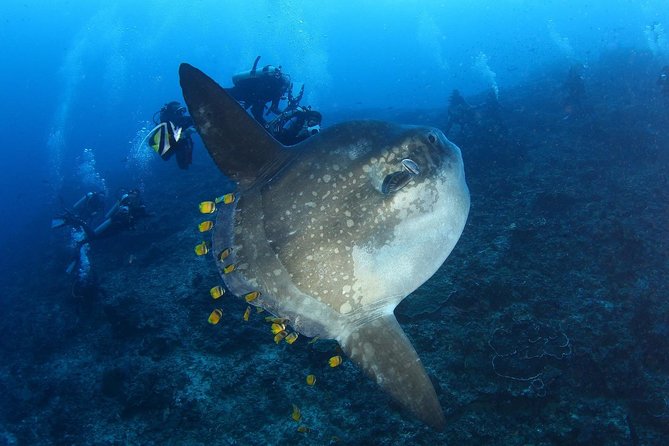
The Deep Adventure session is not simply a trip to a larger number on your depth gauge. You learn how to plan a deeper descent and discuss the physical effects and challenges that come with going farther down.
That matters because depth changes the way you use your gas and manage the outing. The training gives you a supervised setting in which to think about those changes before facing them on a later recreational outing.
I would treat the 100-foot qualification as a limit, not a target. Certification gives you permission and preparation to reach that depth under suitable conditions. It does not mean every future descent should be that deep, or that conditions at every site will suit you.
The deeper session may be the part you look forward to most, but it is also the place to be honest about your comfort level. Ask your instructor to explain the plan clearly, including the intended depth and what you should do if you feel uneasy. The small group limit should help here, since close supervision is especially useful while you adjust to a new depth range.
Learning to navigate without the surface
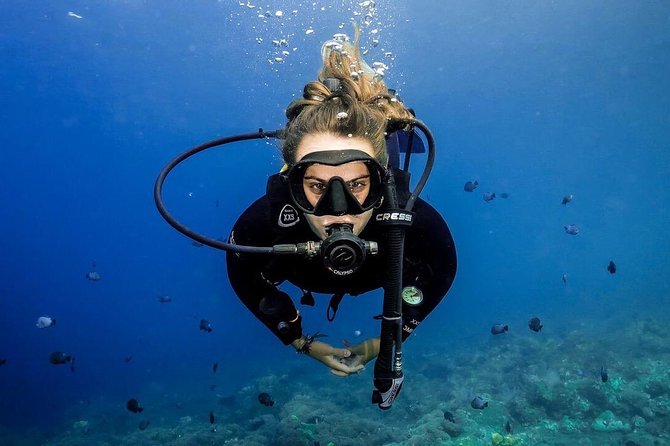
The Underwater Navigation session gives you practical tools for staying oriented below the surface. You work with a compass, but the course also teaches you to combine compass headings with kick cycles, elapsed time, and visible reference points.
That combination is more useful than relying on a compass alone. Underwater, a simple route can feel confusing once you turn around. Counting kick cycles and tracking time gives you extra checks, while landmarks help you confirm that your route makes sense.
This is the kind of training that may feel modest during the lesson but pays off later. Better navigation can help you stay with your group, follow a planned route, and avoid wasting gas while trying to find your way back.
You should expect navigation to require concentration. It is not the most carefree session, but it is one of the most practical. If you tend to follow another person and rarely take responsibility for direction, make a point of handling the compass yourself during the exercise.
Choosing three specialties that suit you
The remaining three sessions are where you can shape the course around your own interests. The choices listed include photography, buoyancy control, fish identification, and wreck exploration.
Buoyancy control is a particularly useful choice if you still use your hands too much, touch the bottom, or find yourself rising and sinking without meaning to. Better control can make your air last longer and help you move around marine life without disturbing it.
Fish identification adds purpose to a simple outing. Instead of seeing a blur of fins and colors, you begin paying attention to shapes, behavior, and the differences between species. It is a good fit if your favorite part of being underwater is noticing what lives there.
Underwater photography may appeal to you if you want to bring home images, but it also demands attention. Handling a camera can distract you from your position, buoyancy, and surroundings. Use it as a learning tool, not as a reason to ignore the instructor’s instructions.
Wreck exploration is available among the specialty interests, though the supplied details do not specify which wreck site would be used. Ask the center what is planned before choosing it, especially if wreck work is your main reason for booking.
The course gives you room to experiment, but three specialty sessions will not make you an expert in every subject. Think of them as introductions that help you decide which training to pursue next.
A completely different kind of day out in the Nusa Islands:
- One Day Nusa Penida Island West with Snorkeling
★ 4.5 · 560 reviews - 2 Days Discover Scuba Diving in Nusa Lembongan – Scuba Initiation
★ 5.0 · 506 reviews - One Day Nusa Penida Island West & East
★ 4.5 · 425 reviews - 5 Fun Dives in Nusa Lembongan (for certified divers) – Swim with a Mola Mola
★ 5.0 · 205 reviews
Crystal Bay and the first look at local conditions
Crystal Bay is one of the named locations in the program. Its inclusion gives the course a setting beyond the training center, where you can apply skills in a real marine environment.
The details provided do not state which of the five sessions takes place here, so you should confirm the day’s plan with the center. That is worth doing because site conditions and the best use of each location can vary.
For you, Crystal Bay may be most valuable as a place to practice staying calm while completing a task. The course is not only about seeing marine life. You are learning to check equipment, follow a plan, monitor your depth, and communicate with your instructor while the surroundings compete for your attention.
Manta Point and the appeal of big marine life
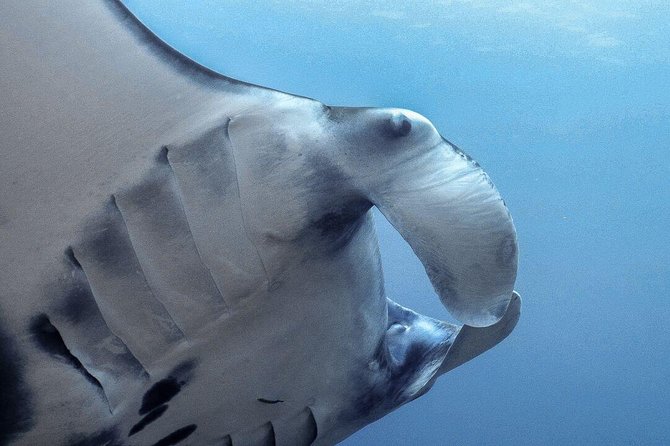
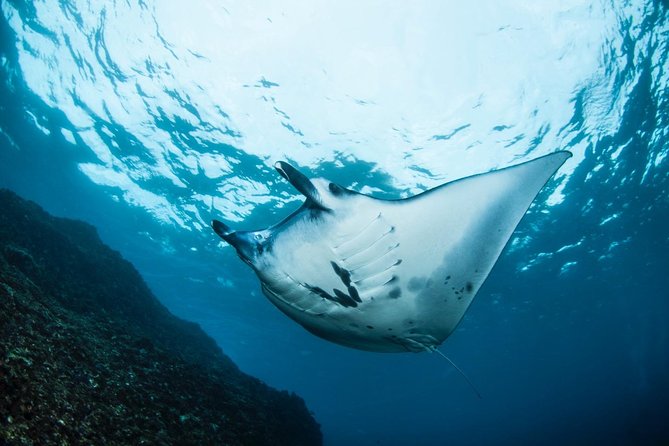
Manta Point is another scheduled stop, and its name explains much of its appeal. It offers the possibility of seeing manta rays, though no wildlife sighting is guaranteed by the information provided.
Keep your expectations sensible. Marine encounters depend on conditions and timing, and the course remains a certification program first. Your instructor’s safety guidance should take priority over trying to get closer or stay longer for a photograph.
Manta Point can still add a memorable element to the two days. After classroom work and skill exercises, a location associated with large marine animals gives you a reason to stay alert and enjoy the setting. If seeing mantas is your main goal, ask how the day’s training requirements fit around the visit.
Mangrove Point, Toyapakeh, and Jungut Batu Beach
Mangrove Point at Nusa Lembongan, Toyapakeh, and Jungut Batu Beach complete the named route. Having several locations helps keep the course from feeling like five identical practice sessions at one site.
Each stop can serve a different training purpose, but the supplied information does not assign a specific specialty to each one. Do not assume that a particular location guarantees a certain animal, wreck, or depth. Your instructor will match the session to conditions and the skills being taught.
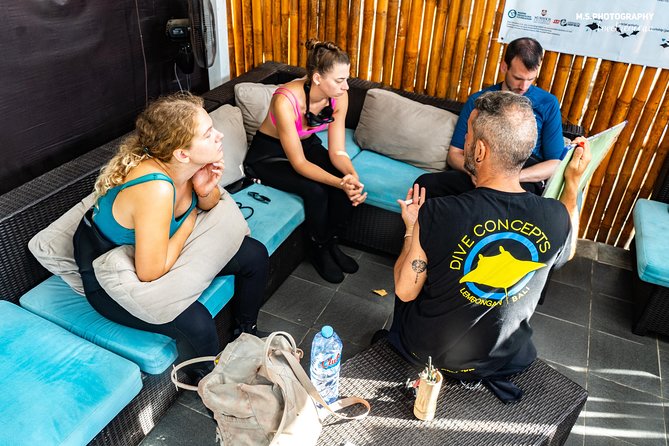
Jungut Batu Beach is also where the activity begins and ends, at Dive Concepts Lembongan in Jungutbatu. That makes the base convenient for meeting, equipment preparation, changing, and returning after the day’s work.
The center provides toilets, showers, lockers, a changing room, and Wi-Fi. Those are not glamorous extras, but they make a two-day course easier, especially when you need a secure place for personal items and a proper area to change between sessions.
A restaurant is available at your own expense. Dormitory and bungalow accommodation are also available at the center, but neither lodging nor meals are part of the course price. Ask about availability before relying on those options.
What the $431.28 price includes
The $431.28 fee covers the main pieces you need for the certification:
- Mask
- Snorkel
- Fins
- Buoyancy control jacket
- Regulator
- Other required instruments
- Wetsuit
- Weight belt
- Certified instructor
- Use of the center’s basic facilities
That is a fairer value than the headline figure first suggests, because you do not need to assemble a full equipment package separately. The instruction is also central to the price. You are paying for guided practice, planning, and assessment, not just access to a boat or a scenic location.
Still, budget for the extras. Accommodation is separate, food at the restaurant is separate, and digital photos or videos can be purchased separately. The experience lasts about two days, so compare the total cost with your wider stay on Nusa Lembongan rather than looking only at the course fee.
The group limit of five improves the value. A small class gives you more opportunity to receive direct corrections, particularly during navigation and buoyancy sessions. It does not guarantee a private instructor, but it is much more personal than a large training group.
Instructors and the human side of the course
The strongest praise attached to this course focuses on the instructors and staff. Valentin is described as professional, reassuring, and attentive. Kaka receives repeated praise for being warm, patient, precise, and enjoyable to learn from.
Hugo is also singled out for patience and enthusiasm, especially during a quieter period when he worked with a solo student. Sara and Silvère are praised for making the lessons both informative and fun, while the boat crew and front desk staff are described as helpful and well organized.
Those details matter more than cheerful service alone. You want an instructor who watches your technique, notices uncertainty, and explains corrections clearly. Kaka’s careful observation and detailed teaching are exactly the qualities that help an advanced student improve instead of simply completing five sessions.
Instructor assignments can change, so you should not book on the assumption that one named person will teach you. If you have a preferred learning style, tell the center when arranging the course. The feedback suggests that the wider team has a strong reputation, but personalities and teaching approaches naturally differ.
Who will get the most from these two days
This course suits you best if you already hold an Open Water certificate and want structured practice before making independent recreational descents. It is also a good fit if you enjoy learning by doing and would rather spend less time in a classroom than you did during basic certification.
You should have a moderate level of physical fitness. The course includes equipment, repeated sessions, and time spent preparing for and returning from the water. If you are unsure about your fitness or current medical readiness, discuss that before booking.
The program is especially useful for you if one of these goals sounds familiar:
- You want to reach the SSI 30-meter depth qualification
- You need better compass skills
- You want to improve buoyancy
- You are curious about fish, photography, or wrecks
- You want supervised practice in several settings
- You are planning more underwater travel after Indonesia
It may be less suitable if you are looking for a casual sightseeing outing with no training tasks. The five sessions have a clear educational purpose. You will need to listen, practice, and take responsibility for your own progress.
Practical details that affect your decision
The center operates from 8:00 AM to 8:00 PM, Monday through Sunday, during the stated operating period. Confirmation is sent within 48 hours of booking, subject to availability.
The activity starts and finishes at Dive Concepts Lembongan, Nusa Lembongan, Jungutbatu, Kec. Nusa Penida, Klungkung, Bali 80771, Indonesia. Service animals are allowed.
Weather can affect the schedule. If poor weather causes cancellation, you can choose another date or receive a full refund. You can also cancel for a full refund if you do so at least 24 hours before the start time. Changes or cancellations inside that 24-hour window are not accepted, and the local start time controls the cut-off.
Digital photos and videos are available to buy, but they are not included. Decide in advance how much you care about images. The best value is in the certification and instruction, not in an optional media package.
Should you book the Advanced Open Water course?
I would recommend this course if you are already Open Water certified and want a practical, well-supported next step in Nusa Lembongan. The mix of deeper training, navigation, and three personal choices gives the two days a useful shape, while the maximum group of five should help keep instruction focused.
The price makes sense if you need the full equipment package and value careful instruction. It makes less sense if you already own everything, want only sightseeing, or are unlikely to use the advanced skills later.
Book it if you want to build confidence under supervision, especially with navigation or buoyancy. Before paying, confirm your instructor, the three specialty choices, the site plan, and the cost of accommodation, meals, and media. With those details clear, this is a strong option for turning a basic certificate into more capable underwater travel.
FAQ
Do I need an Open Water certificate to take this course?
Yes. You must already be Open Water certified before starting the Advanced Open Water course.
How long does the course last?
The course takes approximately two days.
How many training descents are included?
Five adventure descents are included. One covers deeper scuba skills, one covers underwater navigation, and three focus on specialties chosen with your instructor.
How deep can I become certified to go?
The SSI course qualifies you to descend to depths of up to 100 feet, or 30 meters.
What equipment is provided?
The package provides a mask, snorkel, fins, buoyancy control jacket, regulator, other instruments, wetsuit, and weight belt.
Where does the course begin and end?
It begins and ends at Dive Concepts Lembongan in Jungutbatu, Nusa Lembongan.
Is cancellation free?
You can cancel at least 24 hours before the experience starts for a full refund. Poor weather cancellations offer a different date or a full refund.
Just added around the Nusa Islands
- ATV Quad Bike Kuber Through Waterfall, Tunnel And Rice Field★ 5.0 · 3 reviews
- Snorkeling with Manta Rays in Their Habitat with Manta Point★ 4.5 · 3 reviews
- Snorkeling adventure to the manta ray habitat in Nusa Penida★ 5.0 · 3 reviews
- Gong Sound Healing on Nusa Lembongan, Bali★ 5.0 · 3 reviews
- Nusa Penida Private Car Charter★ 5.0 · 4 reviews
- Three Islands Snorkeling (3 Spots) Manta Rays – From Lembongan★ 4.5 · 5 reviews
- Mangrove Reforestation and Exploration around the Nusa Islands★ 5.0 · 5 reviews
- Nusa Penida Jet Ski Trip★ 4.0 · 5 reviews
The Nusa Islands Tours, compared.
Nusa Penida by Private Boat – Snorkeling 4 spots, Swim with Mantas + Land Tour
Read our review →
Open Water Course in Nusa Lembongan – Get Certified on remote island (next Bali)
Read our review →
Bali to Nusa Penida: Premium Private Full Day Tour-All Inclusive
Read our review →
One Day Nusa Penida Island West with Snorkeling
Read our review →
2 Days Discover Scuba Diving in Nusa Lembongan – Scuba Initiation
Read our review →
5 Fun Dives in Nusa Lembongan (for certified divers) – Swim with a Mola Mola
Read our review →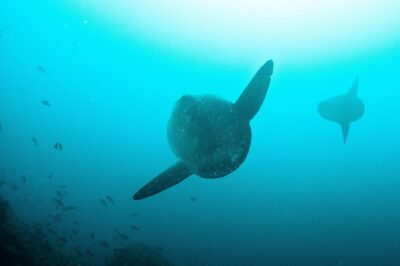
Nusa Penida Two Dives Trip for Certified Divers
Read our review →Browse the lists this tour appears in