Reviewed · GUIDED
Well-Guided Local Textile Tour of Denpasar
Fabric shopping tells a bigger story. This two-hour walking tour takes you beyond Seminyak’s polished boutiques and into central Denpasar, where local shops sell batik, ikat, endek weaving, lace, linen, silk, and everyday cloth. I like the route because it connects textiles with ordinary Balinese shopping life, and I like that Ayu can adjust the stops to your interests. The main drawback is simple: you need to enjoy walking, browsing, and shopping, since this is not a museum tour or a hands-off sightseeing trip.
You start near Jalan Gajah Mada at 2:00 pm and return to the same meeting point. The small group, limited to 10 people, should make it easier to ask questions and get help with purchases. At $25 per person, the price is reasonable if you want local guidance and practical buying advice, but less useful if you only want a quick look at colorful cloth without shopping.
In This Review
- Key points at a glance
- Why Denpasar is the right place for textile shopping
- Starting at Jalan Gajah Mada with Pak Rayyis
- Kumbasari Market and its two textile shops
- Jalan Sulawesi, Denpasar’s fabric corridor
- What you will learn about Indonesian textiles
- Group size, walking, and the two-hour pace
- Is $25 a fair price?
- Who will enjoy this textile walk most?
- Booking, weather, and cancellation advice
- Should you book the Denpasar textile tour?
- FAQ
- Where does the Denpasar textile tour start?
- What time does the tour begin?
- Where does the tour finish?
- How long does the tour last?
- What places are visited?
- What types of textiles can I see?
- How many people can join?
- Is the tour available with a mobile ticket?
- What is the cancellation policy?
Key points at a glance
- Meet Pak Rayyis on Jalan Gajah Mada: Begin with a look at a personal textile collection and hear how traditional fabrics are valued locally.
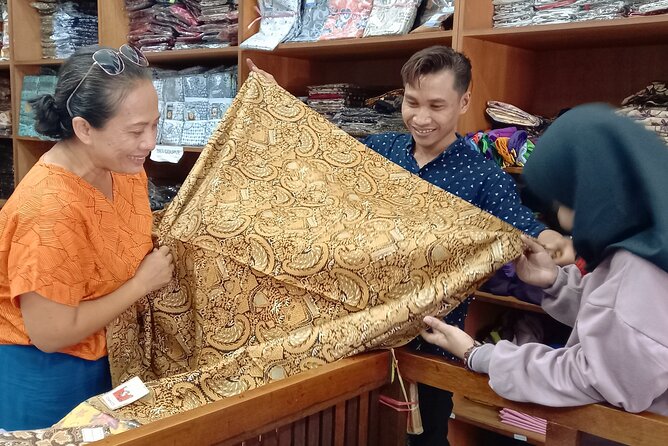
- Walk through Kumbasari Market: Visit two shops focused on batik, ikat, and woven textiles in a working market setting.
- Browse Jalan Sulawesi: See a broad mix of affordable printed batik and modern fabrics for clothing, interiors, quilting, and dressmaking.
- Learn several textile types: The route includes Javanese hand-painted batik, modern batik, ikat, endek weaving, and more.
- Get help with local-price shopping: Ayu and Ngurah provide tips intended to help you shop sensibly rather than pay tourist-area boutique prices.
- Keep the group personal: A maximum of 10 participants makes it easier to ask about fabric, technique, and buying choices.
Why Denpasar is the right place for textile shopping
Seminyak is convenient for cafés, hotels, and design shops, but Denpasar gives you a different view of Bali. Here, fabric is not just a decorative souvenir. It is material for clothing, ceremonies, household projects, dressmaking, and daily use.
That distinction matters. In a tourist boutique, you may see finished garments arranged for easy browsing. In Denpasar, you can see rolls and pieces of cloth sold for many purposes, often with more choice in color, pattern, and price. You might find a fabric that would never appear in a Seminyak display because it is intended for local buyers rather than visitors.
I also like the way this tour handles Indonesian textiles as a broad subject. Bali has its own textile traditions, but the tour also introduces you to cloth from other parts of Indonesia, including Javanese batik and ikat. That wider view helps you see that Indonesian textiles are not one single style.
The experience lasts about two hours, which is long enough for several focused stops without turning into an all-day shopping expedition. You will be walking through old streets and markets, so expect a practical outing rather than a quiet gallery visit.
A few more Seminyak trips worth weighing up
- Bali Full-Day Traditional Village Sightseeing Trip All Inclusive
★ 5.0 · 3,069 reviews - Experts Bali Driver : Best Bali Private Driver for Tour in Bali
★ 5.0 · 1,339 reviews - Bali Hai Sunset Dinner Cruise
★ 5.0 · 1,173 reviews
Starting at Jalan Gajah Mada with Pak Rayyis
The meeting point is Jl. Gajah Mada No. 1, Dauh Puri Kangin, in northern Denpasar. The tour begins at 2:00 pm, and the activity ends back at this same point.
The first stop introduces Pak Rayyis and his textile collection. This is a useful opening because it gives you some context before you start looking at fabric in shops. Instead of immediately facing shelves and rolls of cloth, you first hear about particular textiles and the collection itself.
This part should appeal most to anyone who wants more than shopping instructions. You can ask about the differences between batik, ikat, and woven cloth, then use that information during the market stops. The tour description does not specify exactly how long you stay with Pak Rayyis, so think of it as an introductory stop rather than a full museum visit.
A guide who can explain technique makes a real difference here. It is easy to call any patterned cloth batik, but traditional batik and printed fabric are not the same thing. The route includes both Javanese hand-painted batik and modern batik, giving you a chance to compare them rather than treating every pattern as equal.
Ayu is especially useful for people with a particular interest. She is described as happy to change the stops to suit individual preferences, and her English is praised as very strong. That flexibility is valuable if you already sew, collect textiles, work with interiors, or have a specific fabric in mind.
Kumbasari Market and its two textile shops
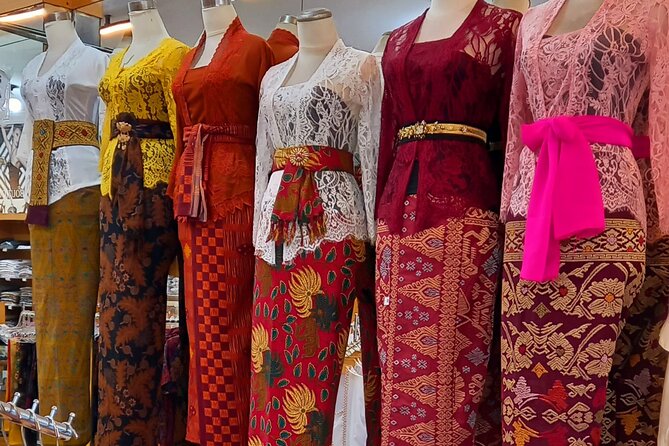
From Jalan Gajah Mada, the walk continues to Kumbasari Market. You visit two shops that specialize in traditional batik, ikat, and weaving.
This stop gives the tour its strongest local character. Kumbasari is not presented as a staged textile attraction. It is a market where local people obtain supplies, which means the experience is tied to practical buying rather than only sightseeing.
The two-shop format is helpful. One shop alone can give you a limited picture of available fabrics, while two stops let you compare patterns, materials, and prices. You can also use this time to ask why one piece costs more than another and how to tell traditional techniques from newer production methods.
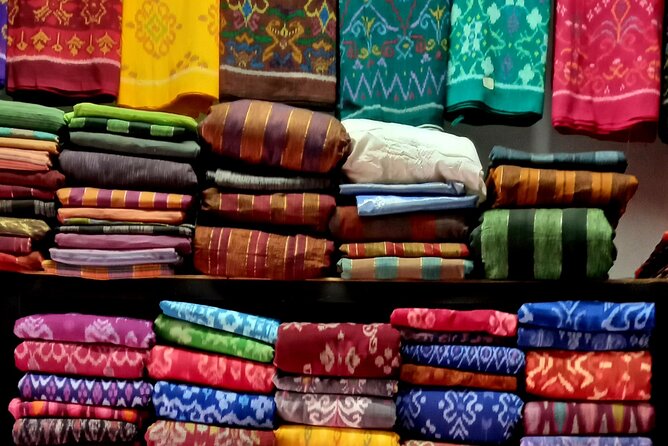
You may see Javanese hand-painted batik, modern batik, ikat, and endek weaving during the tour. Each category has a different look and feel, but the important point is not memorizing labels. The guide can help you understand what you are looking at and what might suit your intended use.
If you are shopping, resist the urge to buy the first attractive piece. Ask about the material, its intended use, and whether the price is local and reasonable. The tour includes shopping tips, so use Ayu and Ngurah as a sounding board before spending your money.
There is a tradeoff here. Markets can be visually busy, and the tour does not promise a calm, carefully arranged retail setting. If you prefer polished displays and fixed prices, this may feel less comfortable. If you want to see where fabric is actually bought and sold, that informality is part of the point.
Jalan Sulawesi, Denpasar’s fabric corridor
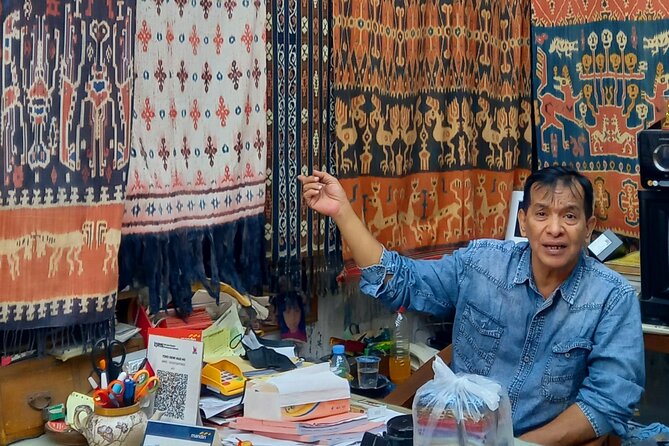
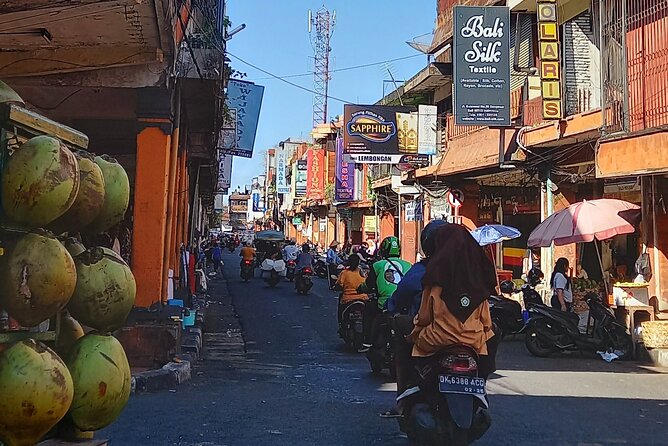
The final major shopping area is Jalan Sulawesi, described as a fabric haven. This is where the selection broadens beyond traditional Indonesian cloth.
You can look for affordable printed batik for everyday use, along with linen, brocade, cotton, lace, quilting materials, dressmaking fabric, interior textiles, silk, rayon, and many other materials. That range makes Jalan Sulawesi especially useful if you sew or want fabric for a project at home.
The stop also helps explain why the tour is more than a batik hunt. You might arrive expecting only ceremonial cloth and leave with ideas for clothing, curtains, cushions, quilting, or other interior work. The selection is colorful and extensive, but you will need to decide what matters to you before buying.
I would suggest setting a clear shopping goal. If you are looking for a small piece of traditional cloth, tell the guide early. If you want modern fabric for dressmaking, say so before reaching Jalan Sulawesi. The hosts can then focus your time instead of letting you lose half the stop among every possible material.
Prices are described as reasonable local prices, with tips for smart shopping. That does not guarantee that every item will be cheap or that every shop will offer the same deal. The value comes from having someone help you compare options and understand what you are buying.
For a fabric lover, this is likely the most exciting part of the route. For someone who has no interest in sewing or textiles, the range may feel overwhelming. The tour works best when you treat the shopping as part cultural lesson, part practical hunt.
A completely different kind of day out in Seminyak:
- Mount Batur Sunrise Trekking
★ 5.0 · 947 reviews - Private Arrival Transfer: Bali Airport to Hotel
★ 4.5 · 739 reviews - Ubud Hot Springs and Waterfall Private Guided Tour
★ 5.0 · 719 reviews - Bali Secret Waterfall Tour – Private and All-Inclusive
★ 5.0 · 688 reviews
What you will learn about Indonesian textiles
Indonesia has a wide range of textile traditions, and this short tour gives you a compact introduction. The experience includes:
- Javanese traditional hand-painted batik
- Modern batik
- Ikat
- Endek weaving
- Printed batik for everyday use
- Linen, brocade, cotton, lace, silk, rayon, and other modern materials
The value is in seeing these materials together. You can compare traditional and modern production, decorative and everyday cloth, and fabrics intended for clothing versus interiors.
Endek weaving is particularly relevant in Bali, while batik has strong associations with Java and is known across Indonesia. Ikat adds another textile method to the discussion. The tour does not claim to cover every Indonesian tradition, and two hours would not be enough for that, but it gives you a useful starting point.
I also like that the route does not isolate textiles from local life. You are not simply looking at old cloth behind glass. You are walking to shops where fabric is bought, handled, compared, and used. That makes the information easier to remember and gives your purchases more meaning.
The review of the experience specifically praises the guide’s understanding of local techniques. That is the quality I would value most here. A fabric tour succeeds when the guide explains what you are seeing in clear terms, not when you are simply led from shop to shop.
Group size, walking, and the two-hour pace
The maximum group size is 10 people. That is small enough to keep questions practical, especially when several people want advice about different types of fabric. It should also make it easier for the guide to adjust the route around individual interests.
The tour is on foot. The supplied details do not give the exact walking distance, the number of stairs, or the amount of time spent standing, so you should be prepared for ordinary city walking rather than assume a fully seated activity.
The meeting point is near public transportation, which helps if you are coming from another part of Denpasar. The tour itself starts and finishes at the Jalan Gajah Mada meeting point, so you do not need to arrange a separate return transfer through the provider.
Most people can participate, according to the activity information. Still, anyone with mobility concerns should consider the market setting and walking format before booking, since no detailed accessibility information is provided.
The 2:00 pm start is practical for anyone who wants a morning at the beach or a relaxed lunch before heading into Denpasar. It also gives you time to use the rest of the afternoon for other plans, though shopping can easily tempt you into staying longer on your own.
Is $25 a fair price?
At $25 per person, this is not the cheapest way to browse fabric. You could visit a market independently and spend nothing on a guide. The question is what you get for the extra cost.
You get a two-hour route through selected textile shops, an introduction to a local collection, explanations of textile techniques, and advice on shopping at local prices. For someone who already knows Denpasar and feels comfortable comparing fabric without help, the price may not be necessary.
For a first visit, the value is stronger. The local market setting can be confusing, and the difference between traditional, modern, hand-painted, woven, and printed fabrics is not always obvious. A guide can save you time and help you focus on what you actually want.
The price also looks better if you plan to buy fabric. Even a small mistake in choosing material or paying too much can reduce the value of an independent shopping trip. The hosts do not promise bargain prices on every item, but they do offer practical advice for making sensible choices.
The group cap of 10 supports the price as well. You are not paying for a large bus outing. You are paying for a short, specialized experience with room for questions and personal interests.
Who will enjoy this textile walk most?
I would recommend this tour most strongly to:
- People who sew, quilt, design clothing, or work with interior fabrics
- Collectors of batik, ikat, endek, and woven textiles
- Visitors who want a local market experience instead of boutique shopping
- Anyone curious about the difference between traditional and modern fabric
- Shoppers who want help comparing materials and prices
- Repeat Bali visitors looking for an activity away from the usual resort areas
It is less suitable if you dislike shopping, prefer a quiet museum, or want a broad architectural tour of Denpasar. Textile knowledge is not required, but genuine curiosity helps.
Families and mixed-interest groups may need to think carefully. Most people can participate, but someone who is bored by fabric could find the two-hour focus narrow. The small group and adjustable stops help, but they do not change the subject of the tour.
Booking, weather, and cancellation advice
Confirmation is normally received at booking. If you book within two hours of the start time, confirmation arrives as soon as possible and depends on availability.
The experience can be canceled in poor weather or if the minimum number of participants is not reached. In those cases, you are offered another date or experience, or a full refund.
You can cancel for a full refund up to 24 hours before the 2:00 pm start time. Cancellations or changes made less than 24 hours ahead are not refunded or accepted, and the cut-off uses local time. Since the tour is outdoors and on foot, avoid booking it as a last-minute activity if your schedule is uncertain.
Should you book the Denpasar textile tour?
Book it if you want to understand Indonesian textiles while shopping in places used by local buyers. The combination of Pak Rayyis’s collection, Kumbasari Market, and Jalan Sulawesi gives you more range than a single boutique visit, while Ayu’s flexibility lets you focus on batik, ikat, weaving, or modern dressmaking fabric.
The strongest reason to choose it is the guide support. Ayu’s strong English, interest in adapting the stops, and explanation of local techniques can turn a pile of attractive cloth into something you can identify and use.
Skip it if you have no interest in fabric or want a general Denpasar sightseeing tour. For everyone else, $25 is a fair price for a focused, small-group introduction to a side of Bali that many visitors miss.
FAQ
Where does the Denpasar textile tour start?
It starts at Jl. Gajah Mada No. 1, Dauh Puri Kangin, Kec. Denpasar Utara, Kota Denpasar, Bali 80232, Indonesia.
What time does the tour begin?
The tour starts at 2:00 pm.
Where does the tour finish?
The activity ends back at the meeting point on Jalan Gajah Mada.
How long does the tour last?
The walking tour lasts approximately two hours.
What places are visited?
The route includes Kumbasari Market, Jalan Sulawesi, and other textile shops in Denpasar, beginning near Jalan Gajah Mada.
What types of textiles can I see?
The tour includes Javanese hand-painted batik, modern batik, ikat, endek weaving, printed batik, linen, brocade, cotton, lace, quilting materials, silk, rayon, and other fabrics.
How many people can join?
The activity has a maximum of 10 participants.
Is the tour available with a mobile ticket?
Yes. The experience features a mobile ticket.
What is the cancellation policy?
You can cancel at least 24 hours before the start time for a full refund. Changes or cancellations made less than 24 hours before the start time are not accepted or refunded. Poor weather or failure to meet the minimum group size may result in another date, another experience, or a full refund.
Just added around Seminyak
- Kerobokan Pastry Class for Kids and Families★ 5.0 · 3 reviews
- Bali Car Charter with English Speaking Driver★ 3.5 · 3 reviews
- ATV Quad bike tour with Rice terraces & temple★ 5.0 · 3 reviews
- Private Half Day-Tour: Ubud Art Village Trip★ 5.0 · 3 reviews
- Bali ATV Ride and Water Sport Packages★ 5.0 · 3 reviews
- Private Arrival Transfer : Ngurah Rai Airport to Hotel in Bali★ 5.0 · 3 reviews
- Bali’s Legendary Sunsets: A Private Tour to Tanah Lot & Uluwatu★ 5.0 · 3 reviews
- Private Tour: Gates of Heaven,Tukad Cepung Waterfall, Tirta gangga★ 4.5 · 3 reviews
Guided, compared.
Discover The Best of Ubud: All-Inclusive and Private Guided Tour
Read our review →
Ubud Hot Springs and Waterfall Private Guided Tour
Read our review →

Private Tour : Mount Batur Sunrise Trekking With Private Guide
Read our review →
Ubud Waterfalls, Temple & Rice Terrace Guided Tour
Read our review →
Bali Private Car Charter with English Speaking Driver Or Guide
Read our review →
Mount Batur Sunset Jeep Guided Tour (Private Tour)
Read our review →