Reviewed · UBUD TOURS
Transforming Plastic Waste A Hands On Recycling Experience
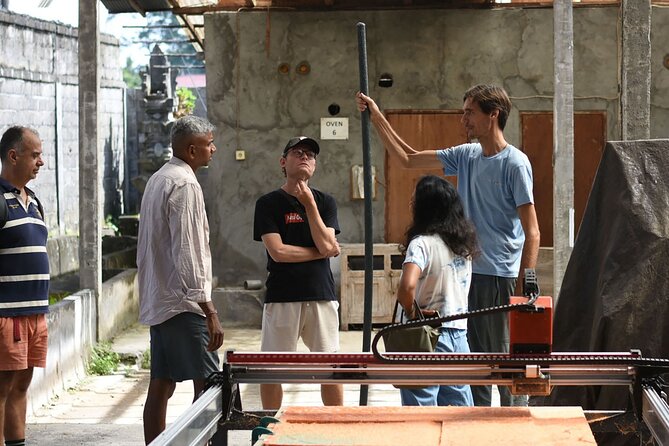
Waste can become a work of art. In Ubud, this 90-minute visit to r•Plastic takes you inside a working recycling studio, where bottle caps and other plastic waste are sorted, processed, and turned into useful objects. It is a welcome change from Bali’s usual temple-and-waterfall circuit, with a clear look at one of the island’s hardest problems.
I like the hands-on format, especially the chance to sort bottle caps and make a piece of recycled artwork yourself. I also like the practical machine demonstrations, including the CNC machine cutting plastic for surfboard racks and furniture. The main consideration is simple: this is an educational studio visit, not a broad sightseeing tour, and there is no meal or food service.
I also appreciate the scale of the experience. With a maximum of 20 people, it should be easier to hear the explanations and take part in the activities than on a large factory tour. At $15.06 per person, the visit offers a useful lesson, a creative activity, and a handmade recycled-plastic keychain, though people looking for Bali scenery or a long activity may find the 1.5-hour format brief.
In This Review
- Key Points Before You Book
- A Different Side of Bali in Kemenuh
- Starting With Bali’s Plastic Problem
- Learning the Seven Types of Plastic
- Watching the Studio Machines Work
- Making Your Own Recycled Artwork
- Taking Home a Keychain From Bali
- Why the $15.06 Price Can Be Worth It
- Who Will Get the Most From This Studio Visit?
- Practical Details That Make the Visit Easier
- Questions Worth Asking During the Q&A
- Should You Book This Recycling Experience?
- FAQ
- Where does the recycling experience take place?
- How long does the experience last?
- What is the price?
- Where does the activity end?
- Is parking available?
- Is food included?
- Is bottled water provided?
- What activities are included?
- How many people can join?
- Can I cancel for a full refund?
- What happens if bad weather cancels the activity?
- Are service animals allowed?
- Can most people participate?
Key Points Before You Book
- Plastic becomes the main attraction: See bottle caps and other waste sorted, processed, and made into new products.
- You take part, not just watch: Sort plastic by color and type, then create your own recycled artwork.
- The CNC machine adds a practical twist: Watch plastic being cut into items such as surfboard racks and furniture.
- Martijn leads with personal experience: His work in sustainability and product design shapes the talk and demonstrations.
- Families and school-age children fit the program well: Several educational visits have included children from about 7 to 12 years old.
- The visit stays short and focused: Plan for about 90 minutes at the studio in Kemenuh, near Ubud.
A Different Side of Bali in Kemenuh
The meeting point is at F73J+CFR, Jl. Ir. Sutami, Kemenuh, in Sukawati, Gianyar. This places the experience outside the center of Ubud, so you will need to arrange your own way there. Parking is available at the studio, which helps if you are using a car or scooter.
The activity begins and ends at the same place. There is no pickup or drop-off listed, so do not treat this as a hotel-based excursion. Check the location before booking and allow enough time to reach Kemenuh.
That small bit of planning matters. Bali road trips can take longer than expected, and a short activity can become stressful if you arrive just as the introduction begins. The studio visit itself lasts about 1 hour and 30 minutes, making it easy to fit into a half-day around Ubud, but you still need to account for the journey.
The group limit is 20 people. That is large enough for a social workshop but small enough to keep the practical parts manageable. If everyone is sorting caps or making artwork at once, the experience should feel more personal than a standard presentation.
A few more Ubud trips worth weighing up
- All-Inclusive Ubud Private Tour
★ 5.0 · 14,344 reviews - Best of Ubud Full-Day Tour with Jungle Swing
★ 5.0 · 8,571 reviews - Ubud: Monkey Forest, Jungle Swing, Rice Terrace, and Water Temple
★ 5.0 · 7,160 reviews
Starting With Bali’s Plastic Problem
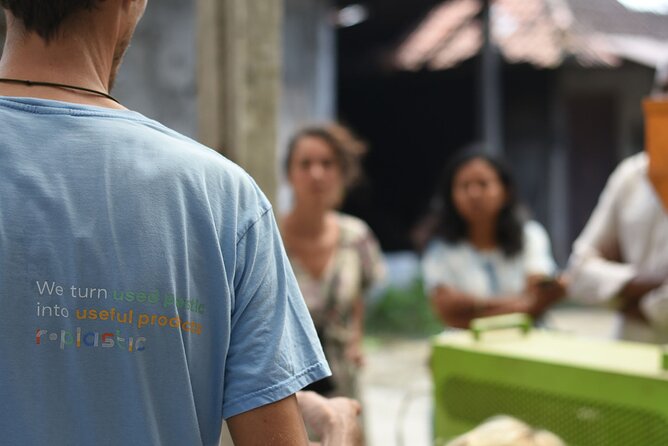
The opening talk introduces the studio, its work, and Bali’s waste challenges. Martijn explains his own path into sustainability and product design, giving the subject a human face rather than presenting recycling as a list of dry facts.
This introduction is important because the activity is not only about making a souvenir. You are learning why plastic waste is difficult to manage, how different plastics behave, and why sorting matters before recycling can begin.
The studio focuses on small-scale, decentralized recycling. That makes the visit especially useful for anyone who wants to understand what can happen outside a huge industrial plant. The machines are built and used on a smaller scale, so you see a direct link between discarded material and a finished object.
The subject is serious, but the approach is accessible. Families can talk about waste with children in a setting where the lesson becomes practical. Children who might lose interest during a long environmental lecture have something to handle, sort, and design.
People who already work in sustainability may find the general introduction familiar. For most visitors, though, the combination of Bali’s waste issues and real production equipment gives the talk a clear purpose.
Learning the Seven Types of Plastic
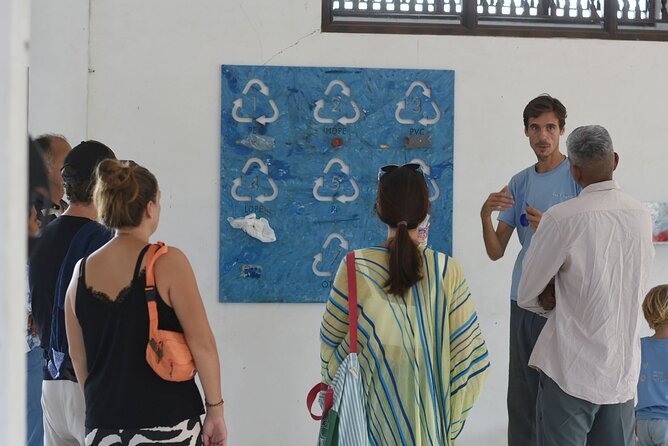
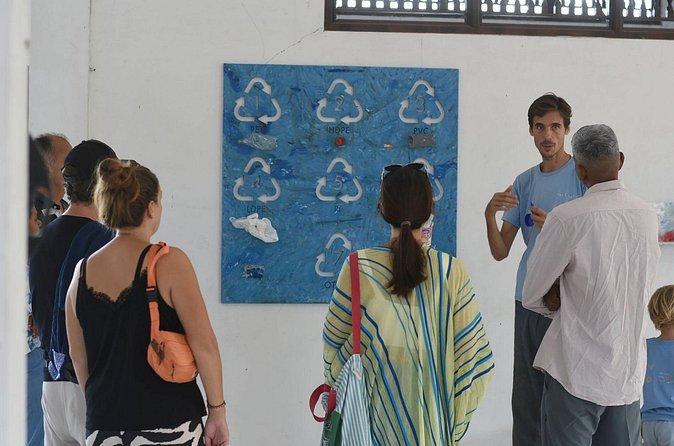
One of the most useful lessons is the introduction to the seven different types of plastic. The exact recycling process depends on the material, so sorting by appearance alone is not enough.
You will handle bottle caps and learn to separate them by color and type. It sounds simple, but that sorting stage shows why recycling is not just a matter of tossing every plastic item into one container.
This is where the experience earns its educational value. You can see that a discarded object still has potential, but only if it is identified and prepared correctly. The activity turns an abstract idea into a task you can complete with your own hands.
For children, the color sorting adds an easy entry point. For adults, it offers a clearer sense of the work required before machines can produce a usable material. It also helps explain why contamination and mixed plastics can make recycling harder.
The activity does not claim that recycling solves every waste problem. That is another reason the visit feels useful. You are shown a practical response to plastic waste, not promised a quick fix for Bali’s environmental pressures.
Watching the Studio Machines Work
After the introduction and sorting activity, you get a look around the recycling studio and see the machines in action. These are self-built machines, which gives the visit a workshop feel rather than the polished appearance of a major industrial facility.
The process is easier to understand when you can connect each machine to a result. Plastic waste is not simply stored or displayed. It is worked into material that can become something useful.
The CNC machine is a highlight. You watch it cut recycled plastic into products such as surfboard racks and furniture. This gives you a strong visual example of how recycling can move beyond basic collection and processing.
There is also a creative side to the studio. Finished pieces made from recycled plastic show how practical design and environmental action can meet. The studio has displayed elaborate recycled creations, and that emphasis on design helps change the way you look at bottle caps and other small plastic items.
Do not expect a long industrial tour with a large production line. The equipment is part of an educational studio, and the focus is on understanding the process. That suits people who want clear explanations and a close look at small-scale solutions. It may feel too brief for anyone hoping to watch a full manufacturing operation from start to finish.
A completely different kind of day out in Ubud:
- Best of Ubud 1-Day Private Tour
★ 5.0 · 4,451 reviews - Bali: Ubud Palace Legong Dance Show Ticket
★ 4.4 · 3,979 reviews - Uluwatu Sunset, Kecak Dance, and Dinner Jimbaran Beach
★ 5.0 · 3,681 reviews - Tanah Lot and North Bali Tour: Scenic Journey
★ 5.0 · 3,620 reviews
Making Your Own Recycled Artwork
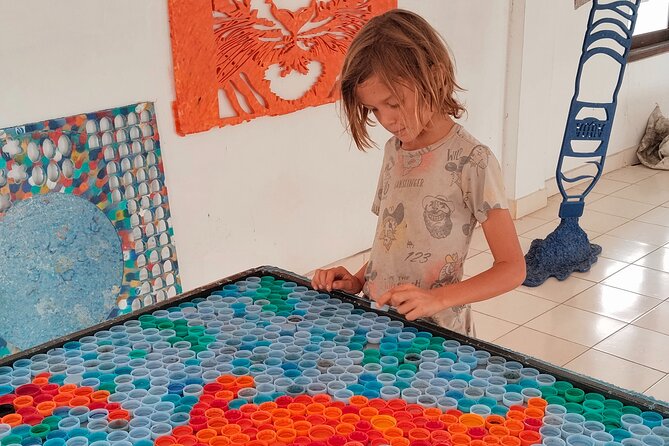
The best part for many people will be the chance to create something themselves. You will use recycled plastic to make your own artwork, turning the subject from a lecture into a personal project.
The activity also creates a shared point of contact for families, school groups, and mixed-age parties. People can compare colors, ideas, and results while learning that recycled material does not have to look dull or disposable.
The precise design options are not specified, so you should expect guidance from the studio rather than a long independent craft session. The point is to try the material and understand its possibilities.
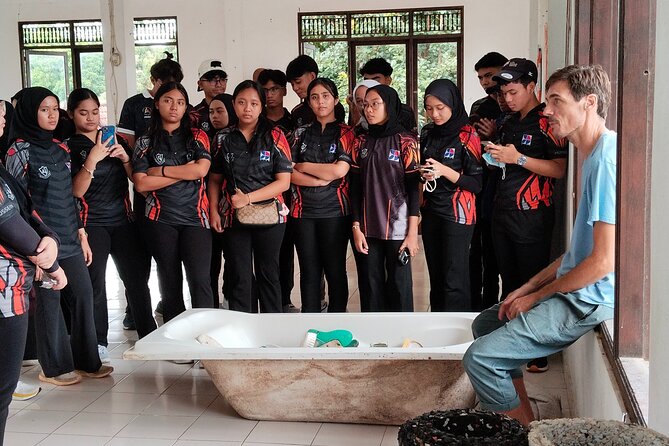
This hands-on section is particularly strong for children. School groups have used the studio to learn about sorting, reuse, and the process of turning bottle tops and flip-flops into useful objects. A visit by a Grade 2 class was described as practical and well suited to primary-age children, while families with children around 12 have also found the process easy to follow.
Adults should not write it off as a children’s workshop. The activity offers a direct way to think about product design, material use, and the choices behind everyday objects. If you enjoy making things, you will likely find this more rewarding than simply taking photographs of recycled products.
Taking Home a Keychain From Bali
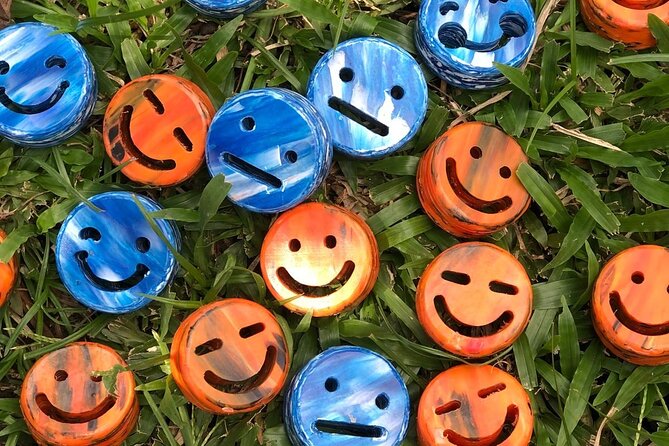
The visit ends with a handmade keychain made from Bali’s recycled plastic. It is a small souvenir, but it has a stronger connection to the experience than a mass-produced trinket.
You have seen the material being sorted and processed, then worked with recycled plastic yourself. The keychain gives you a physical reminder of that chain from waste to product.
It is also a useful value point when judging the $15.06 price. You are not paying only for admission to a room. The fee includes instruction, demonstrations, participation, and a handmade item to take home.
Still, the keychain should be viewed as a keepsake rather than the main reason to book. The real value is the explanation and the chance to see recycling in practice. If you care only about souvenirs, there are cheaper ways to buy a keychain. If you want an experience attached to the object, this one makes more sense.
Why the $15.06 Price Can Be Worth It
At $15.06 per person, this is a modestly priced activity by Ubud standards. The visit lasts around 90 minutes, which gives you a focused lesson without taking up an entire day.
The price works best for people who value access to a working studio and a chance to ask questions directly. You get a welcome talk, an explanation of plastic types and Bali’s waste problems, a studio visit, machine demonstrations, sorting, artwork, a Q&A, and a recycled keychain.
That is a solid package for the cost. It is also more meaningful than a typical short craft class because the raw material connects to a real environmental problem.
The value is less convincing if you want entertainment with no serious subject matter. Plastic waste is not light holiday scenery, even though the workshop keeps the tone creative and approachable. You need to be willing to listen, ask questions, and take the environmental topic seriously.
The experience is often booked about 23 days ahead, so planning early may be sensible if your schedule in Ubud is tight. The group maximum is 20, and popular dates may not remain open close to your visit.
Who Will Get the Most From This Studio Visit?
I would recommend this experience most strongly to:
- Families looking for a meaningful activity with children
- School groups and educators
- People interested in sustainability and product design
- Visitors who prefer local projects to standard sightseeing
- Anyone curious about how small-scale recycling works
- Creative people who like making a physical object
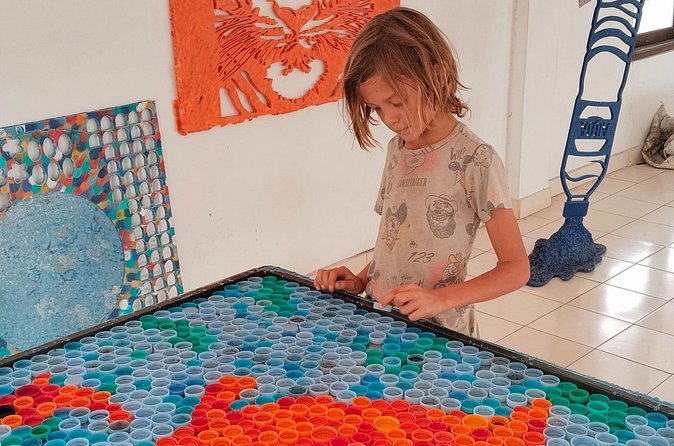
The format suits children because it mixes sorting, machines, art, and a take-home item. It has already been used successfully with primary school groups, including children around 7 and 8 years old, and families with older children.
Adults who want technical depth should keep expectations in check. The session is designed for a broad audience, not as a professional recycling certification course. You will gain a working understanding of the process, but the exact technical detail may depend on the questions asked and the flow of the group.
The experience also works well for people who have already seen Bali’s temples and rice fields. It shows a side of the island that most sightseeing routes skip: local efforts to handle the materials left behind by modern life.
Practical Details That Make the Visit Easier
Bring your own refillable water bottle. Water is available for topping up, but the studio does not provide single-use plastic water bottles. That policy fits the purpose of the visit and avoids an awkward contradiction.
There is no lunch or food included, and no food or drinks are available at the studio. Eat before you arrive if you need a meal, especially if the visit forms part of a longer day around Ubud.
The activity requires good weather. If poor weather forces a cancellation, you can be offered another date or a full refund. It also requires a minimum number of participants, so a cancellation for that reason comes with the choice of another date or experience, or a full refund.
Free cancellation is available when you cancel at least 24 hours before the start time. Changes or cancellations made within 24 hours are not accepted for a refund. The cut-off uses local Bali time.
Most people can participate, and service animals are allowed. Confirmation arrives at booking, and the mobile ticket makes it easy to keep the booking details on your phone.
Questions Worth Asking During the Q&A
The final question-and-answer period is not just a polite ending. It gives you a chance to connect the machines and materials to your own habits.
You might ask how different plastic types are identified, which waste items are most useful to the studio, or how recycled material becomes furniture and surfboard racks. If you are visiting with children, this is a good moment to ask what they can do at home to reduce or sort plastic waste.
The experience is strongest when you treat the Q&A as part of the activity rather than waiting for the guide to finish. Martijn is described as enthusiastic and willing to explain the process, so specific questions should help you get more from the short session.
Should You Book This Recycling Experience?
Book it if you want a practical, thoughtful break from Ubud’s usual attractions. The combination of plastic sorting, recycled artwork, self-built machines, CNC cutting, and a handmade keychain gives the visit real substance for $15.06.
It is especially good for families, school-age children, design-minded people, and anyone who wants to understand Bali’s waste challenges without sitting through a formal lecture. The 90-minute length is easy to fit into a busy itinerary.
Skip it if you are seeking scenery, food, transport from your hotel, or a full-day outing. This is a focused studio visit in Kemenuh, and its reward is understanding how waste can be given a second life.
For the right person, it is one of the more useful short activities around Ubud. You leave with a small object, but the better souvenir is a clearer idea of what recycling really demands.
FAQ
Where does the recycling experience take place?
It takes place at r•Plastic in Kemenuh, Sukawati, Gianyar, Bali. The meeting point is F73J+CFR, Jl. Ir. Sutami, Kemenuh, Kec. Sukawati, Kabupaten Gianyar, Bali 80582, Indonesia.
How long does the experience last?
The activity lasts approximately 1 hour and 30 minutes.
What is the price?
The listed price is $15.06 per person.
Where does the activity end?
The activity ends back at the same meeting point where it begins.
Is parking available?
Yes, parking space is available at the meeting point.
Is food included?
No. Lunch is not included, and no food or drinks are available at the studio. You can refill your own water bottle.
Is bottled water provided?
Single-use water bottles are not available. You can top up your own water bottle for free.
What activities are included?
You will learn about plastic types and Bali’s waste challenges, sort bottle caps by color and type, create recycled artwork, watch machine demonstrations including the CNC machine, ask questions, and take home a recycled-plastic keychain.
How many people can join?
The activity has a maximum group size of 20 people.
Can I cancel for a full refund?
Yes, you can cancel at least 24 hours before the start time for a full refund. Cancellations or changes made less than 24 hours before the start time are not refunded.
What happens if bad weather cancels the activity?
If poor weather causes a cancellation, you will be offered a different date or a full refund.
Are service animals allowed?
Yes, service animals are allowed.
Can most people participate?
Yes, most people can participate in the activity.
Just added around Ubud
- Private Bali UTV Adventure★ 5.0 · 3 reviews
- Bali Culture Tour★ 5.0 · 3 reviews
- Sidemen Highlights Day Tour★ 5.0 · 3 reviews
- Forest Dining at Tree Deck overlooking lush valley of Ubud★ 5.0 · 3 reviews
- Bali: Nusa Lembongan Snorkeling-Island Tour Daytrip-All Inclusive★ 5.0 · 3 reviews
- Private Guided Bali Car Charter★ 5.0 · 3 reviews
- East Bali and Lempuyang Temple Tour★ 5.0 · 3 reviews
- Best ATV Quad Bike: Fun ADVENTURE★ 5.0 · 3 reviews
Ubud Tours, compared.



Monkey Forest, Jungle Swing, Rice Terrace, and Water Temple
Read our review →


Uluwatu Sunset, Kecak Dance, and Dinner Jimbaran Beach
Read our review →
Tanah Lot and North Bali Tour: Scenic Journey
Read our review →