
Reviewed · TEMPLE TOURS
Purification Ceremony in sacred Jungle Temple Bali
Quiet Bali feels different here. At the foot of Mount Batukaru, this small-group experience combines a genuine Balinese purification ceremony with village life, food, farming, and nature. I like the personal ceremony led by a Mangku, and I like that your $89 fee includes temple clothing, offerings, lunch, a farm visit, and a farewell photo. The main consideration is that the ritual is not available to pregnant women or women who are menstruating.
You meet at 9 a.m. at Warung Balikaru in Belulang Village, then spend about three and a half hours with a maximum of six people. The day includes a quiet river temple, a spice garden, Rindik music, rice fields, and Belulang Hot Spring. It is a strong choice if you want cultural contact instead of a quick photo stop, but less suitable if you prefer a tightly scheduled sightseeing tour.
In This Review
- Five things that make this Balikaru experience special
- Why Mount Batukaru is the right setting
- A gentle start in the spice and herb garden
- Learning Rindik before the temple ceremony
- What the purification ceremony involves
- Homemade lunch at Warung Balikaru
- Rice fields, farmers, and Balikaru farm
- Belulang Hot Spring as the final stop
- Is $89 a fair price?
- Practical advice before you go
- Who will appreciate this experience most?
- Should you book the Balikaru purification ceremony?
- FAQ
- Where does the purification ceremony take place?
- What time does the experience begin?
- How long does the activity last?
- How many people can join?
- Is lunch included?
- Can pregnant women or women who are menstruating take part in the ceremony?
- What happens if bad weather cancels the activity?
Five things that make this Balikaru experience special
- A Mangku leads the purification: You take part in a personal blessing ceremony at a sacred temple beside a secluded river.
- The group is capped at six: The small size allows more time for questions and a calmer setting.
- Balinese clothes and offerings are included: You do not need to arrange the ritual details yourself.
- The village program goes beyond the temple: You visit a spice and herb garden, meet farmers, see animals and stingless Trigona bees, and eat homemade Nasi Campur Tumpeng.
- Belulang Hot Spring ends the day: You can relax in natural sulfur water used by local people.
- The price covers more than a ceremony: At $89 per person, the fee includes a guide, lunch, music, farm activities, temple items, a gift, and a personal photo sent by email.
Why Mount Batukaru is the right setting
This program takes place in Belulang Village, Mengesta, in Tabanan Regency, at the foot of Mount Batukaru. You are well away from Bali’s busiest beach areas, and the setting gives the ceremony room to breathe. The day is built around village life, not a row of major attractions.
That matters because Balinese religion is not something kept inside a museum. It appears in daily offerings, temple visits, music, farming, food, and community ties. Here, you get to see those links in one compact experience.
The meeting point is Warung Balikaru, marked at J47M+5CG Belulang Village. You should plan to arrive before the 9 a.m. start, since the program begins with the local team rather than with a long transfer from a resort area. Transportation to the meeting point is not listed, so you need to arrange your own way there.
The small maximum of six people is a real benefit. A group of this size can ask questions without turning the ceremony into a performance. It also gives the guide more chance to explain what you are seeing and to adjust the pace during the village walk.
More temple tours in Bali:
- Ubud: Monkey Forest, Jungle Swing, Rice Terrace, and Water Temple
★ 5.0 · 7,160 reviews - Full-Day Tour to Water Temples and UNESCO Rice Terraces in Bali
★ 5.0 · 2,539 reviews - Private Uluwatu Temple and Kecak Fire Dance Evening Tour in Jimbaran Bay
★ 5.0 · 1,199 reviews
A gentle start in the spice and herb garden
Your first part of the experience introduces you to tropical plants, spices, and herbs in a guided garden visit. This is more useful than it may sound. It gives you a practical way to understand the plants used in Balinese cooking and daily life, while easing you into the slower pace of the village.
I like this beginning because it does not rush straight to the main ritual. You first get time to look, listen, and ask questions. The garden also provides a natural bridge between the physical world of plants and the spiritual focus that follows.
The program includes a welcome drink, adding to the relaxed start. Exact plants and drink choices are not specified, so you should treat this as a local introduction rather than expect a formal botanical tour.
Learning Rindik before the temple ceremony
You also learn to play the Rindik, a traditional Balinese bamboo instrument. The music session helps set the mood before you change into temple clothing and meet the Mangku.
This is a smart part of the program. You are not only watching local culture from the side. You get a simple, respectful way to take part before the ceremony begins. Do not expect a full music lesson or concert. The available information describes it as learning to play the instrument, so the focus is on a short hands-on introduction.
The activity also breaks up the day. A ceremony can feel formal if you have no context, but music gives you a more familiar starting point. You can enjoy the sound of bamboo and sacred bells without needing prior knowledge of Balinese customs.
What the purification ceremony involves
The central event is a personal purification and blessing ceremony led by a Balinese temple priest, known as a Mangku. The temple sits at a secluded river location, described as a sacred place in the surrounding nature.
The team helps you dress in Balinese temple clothes. They also provide the offerings and rental clothing, so you do not need to shop for ceremonial items before arriving. Your guide explains the meaning of the rituals, which is important. Without explanation, it would be easy to treat the ceremony as a photo opportunity rather than a religious practice.
The stated purpose is to refresh body and mind and create space for new experiences. You should approach it with respect and an open mind, not with the expectation of a dramatic show. The power of this part comes from the setting, the sound of the bells, the priest’s guidance, and the chance to take part in a living tradition.
Photography should be handled carefully. A personal photo is included and sent by email afterward, but the information does not specify when or how photographs are taken. Ask your guide before using your own camera or phone, especially inside the temple area.
There is also an important participation rule. The purification and blessing ceremony is not permitted during menstruation or for pregnant women. This is not a minor scheduling detail, so check the policy before booking. Most people can participate, and service animals are allowed, but the ritual restriction is specific.
More melukat ceremonies in Bali:
- Ubud Tour – Balinese Healing By Shaman And Self Purification
★ 5.0 · 236 reviews - Melukat Ceremony and Temple Tour at Tirta Empul Temple
★ 5.0 · 218 reviews - Purification Holy Bath at Beji Gria Waterfall
★ 5.0 · 44 reviews - Ubud Tirta Empul Temple Tour with Purification Experience
★ 5.0 · 36 reviews
Homemade lunch at Warung Balikaru
After the ceremony, you eat a homemade Balinese lunch at the village warung. The included dish is Nasi Campur Tumpeng, a traditional mixed rice meal presented in a distinctive form.
Food is one of the best ways to make a cultural visit feel connected to ordinary life. Instead of eating at an international restaurant, you sit down for a local meal within the village program. The menu is set around Nasi Campur Tumpeng, so this is a good chance to try something familiar to the area.
Vegetarian dietary needs can be accommodated if you provide the information when booking. Other drinks and personal expenses are not included, so bring money for anything beyond the provided meal and welcome drink.
The food receives especially warm praise in the available feedback, with one visitor describing it as very delicious. That matches the broader strength of the experience: the meal is not an add-on between attractions. It is part of the cultural exchange.
Rice fields, farmers, and Balikaru farm
The afternoon portion takes you into the rice fields with a farmer. You also visit Balikaru farm, where you can see animals and stingless Trigona bees, then chat with villagers.
This section gives the ceremony a wider context. You see how spiritual life sits alongside farming and food production. The program does not present Bali as only temples and ceremonies. It connects the religious experience to the work and routines of the village.
The farm visit may be especially interesting if you have children or if you want a less formal part of the day after the temple. The stingless bees are a distinctive detail, and the visit adds something you would not get from a standard temple stop.
You should keep your expectations practical. The description does not list the animals, the length of the rice-field walk, or a specific farming activity. You might meet a farmer and learn about the fields rather than take part in heavy farm work. Wear clothes and footwear that can handle a rural walk, and remember that the program is outdoors in several places.
The direct contact with villagers is one of the more valuable elements. The stated aim is to keep the effect on local people and nature small while supporting authentic village structures. That does not mean the experience is completely separate from tourism, but its small group and local setting make the contact more personal than a large group excursion.
Belulang Hot Spring as the final stop
The day ends at Belulang Hot Spring, where local people bathe in natural sulfur water. The spring is listed as the first stop in one part of the program details, but the fuller schedule places it at the end, as the place to relax before returning to the meeting point.
The hot spring makes sense as a closing stop. After walking through the garden, rice fields, and farm, you can slow down in warm mineral water. The sulfur may have a noticeable smell, so do not expect a polished resort spa. That is part of the appeal. This is a natural bathing place used by locals, not a luxury wellness facility.
The details do not state how long you stay there or whether changing facilities and towels are supplied. Ask the operator if those items matter to you. You should also bring suitable swimwear and a change of clothes, since the provided information does not say that these are available on site.
The activity ends back at the original meeting point. Since the published duration is approximately three hours and thirty minutes, confirm the exact timing if you have another booking later that day. The program description includes several activities, so the pace may feel full rather than leisurely.
Is $89 a fair price?
At $89 per person, this is not the cheapest way to visit a temple or hot spring. It is also not priced like a simple entrance ticket. Your fee covers an English-speaking guide, a welcome drink, Rindik instruction, temple clothing, offerings, the Mangku-led ceremony, lunch, the spice garden, Balikaru farm, animals, Trigona bees, a farewell gift, and a personal photo by email.
That package gives the price good value if you want a full cultural activity in a small group. You are paying for local organization and interpretation as much as for the places themselves. The maximum of six is important here. A large group could make a personal blessing feel crowded, while this format is designed to keep the day more intimate.
The value is weaker if your main goal is simply to bathe in hot springs or see a temple. You can find cheaper individual activities in Bali, but they may not include the priest, clothing, offerings, food, farm visit, and village connections in one program.
Group discounts are available, though the exact discount is not specified. Ask about the rate before booking if you are traveling with family or friends. The experience is often booked about eight days ahead, which suggests you should not leave it until the last minute if your Bali schedule is fixed.
Practical advice before you go
The experience is mobile-ticketed, and confirmation is provided at booking. Keep the ticket accessible on your phone, but focus more attention on getting to Warung Balikaru on time. The meeting point is in Belulang Village, not a general pickup area.
The guide speaks English, and other language options may be available depending on the booking choice. If clear explanations are important to you, select the right language option when reserving.
Plan for a mix of settings:
- Temple clothing for the ceremony
- Comfortable footwear for gardens, rice fields, and farm paths
- A change of clothes for the hot spring
- Money for drinks, tips, and personal purchases
- Any dietary information, including vegetarian needs, entered at booking
Tips are not included. The same applies to drinks beyond the welcome beverage and personal expenses. You can cancel for a full refund up to 24 hours before the start time. Changes or cancellations inside that window are not accepted, and bad weather may lead to another date or a full refund.
The experience is described as suitable for most people, but the day includes outdoor walking and a rural setting. If you need specific assistance, contact Balikaru before booking rather than assuming every path or facility will suit you.
Who will appreciate this experience most?
I would choose this program if you want to understand Bali through people and daily customs, not only through famous sights. It suits visitors who enjoy small groups, local food, gentle walking, spiritual experiences, and conversations with a guide and villagers.
It is also a good fit for a repeat Bali visitor who has already seen the major temples and wants a quieter side of the island. Families may enjoy the farm animals, Rindik music, and hot spring, though the ceremony itself requires respectful attention.
You may want a different activity if you dislike religious ceremonies, prefer a private luxury setting, or need a precise timetable. The program has several parts, and its value depends on your willingness to slow down and take each one seriously.
Should you book the Balikaru purification ceremony?
Book it if the idea of a personal blessing beside a secluded river appeals to you, and if you want that ceremony placed within real village life. The strongest parts are the small group, the Mangku’s guidance, the homemade lunch, and the way the day connects religion with farming, plants, food, and local bathing customs.
Skip it if you only want a quick temple visit or if the menstruation and pregnancy restriction affects your plans. For everyone else, $89 is a reasonable price for a carefully filled half-day that offers more meaning than a standard sightseeing stop. Arrive ready to listen, dress respectfully, and let the village set the pace.
FAQ
Where does the purification ceremony take place?
The experience takes place in Belulang Village in Tabanan Regency, at the foot of Mount Batukaru. The sacred temple is located beside a secluded river.
What time does the experience begin?
The meeting time is 9 a.m. at Warung Balikaru, Belulang Village, Mengesta, Tabanan, Bali.
How long does the activity last?
The approximate duration is three hours and thirty minutes. It ends back at the original meeting point.
How many people can join?
The activity has a maximum of six participants.
Is lunch included?
Yes. The price includes homemade Nasi Campur Tumpeng at Warung Balikaru. Vegetarian dietary needs can be accommodated if you provide the information when booking.
Can pregnant women or women who are menstruating take part in the ceremony?
No. The purification and blessing ceremony is not permitted during menstruation or for pregnant women.
What happens if bad weather cancels the activity?
If poor weather causes a cancellation, you will be offered a different date or a full refund. You can also cancel up to 24 hours before the start time for a full refund.
Just added around Bali
- Facial treatment + Balinese massage at Bali Luxury Spa★ 3.5 · 3 reviews
- Mount Batur Sunrise Trekking with Natural Hot Springs★ 5.0 · 3 reviews
- Kintamani Batur Jeep Sunrise Tour★ 5.0 · 3 reviews
- Bali Sunset: Uluwatu Temple, Kecak Dance and Jimbaran★ 4.5 · 3 reviews
- Bali Full-Day Private Customize Tour★ 5.0 · 3 reviews
- Telaga Waja White Water Rafting and Besakih Temple Tour★ 5.0 · 3 reviews
- Bali: Private Mount Batur Sunrise Trek with Guide★ 5.0 · 3 reviews
- Bali Downhill Cycling and White Water Rafting★ 5.0 · 3 reviews
Temple Tours, compared.
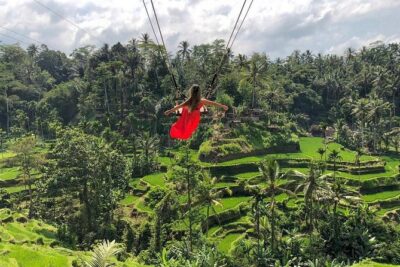
Monkey Forest, Jungle Swing, Rice Terrace, and Water Temple
Read our review →
Full-Day Tour to Water Temples and UNESCO Rice Terraces in Bali
Read our review →Private Uluwatu Temple and Kecak Fire Dance Evening Tour in Jimbaran Bay
Read our review →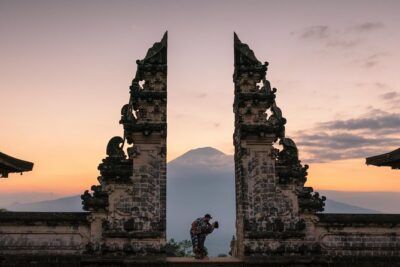
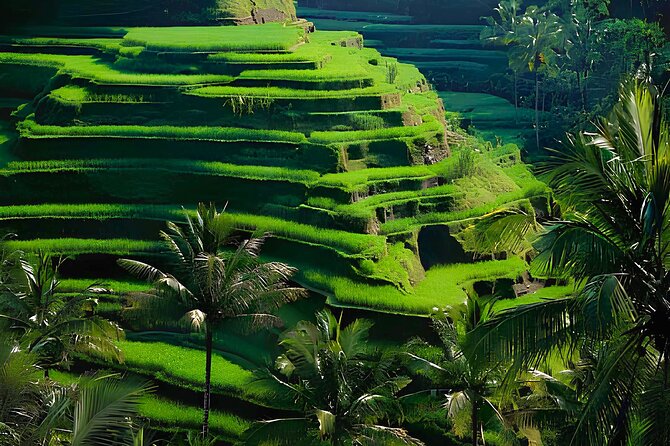
Monkey Forest, Water Temple, Rice Terrace, Waterfall
Read our review →
Ubud Tour with Monkey Forest Waterfalls Temples and More
Read our review →
Uluwatu Temple Entry and Kecak Fire Dance Ticket
Read our review →
Ubud Top Attractions: Waterfalls, Temples and Rice Terraces
Read our review →Browse the lists this tour appears in