Reviewed · KUTA TOURS
PADI Open Water Course
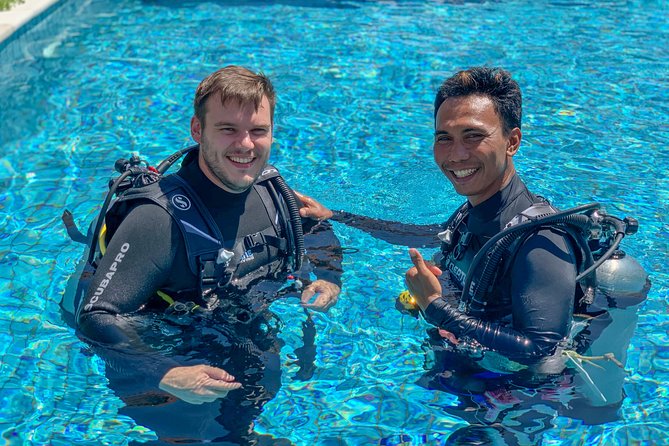
Learn to breathe underwater in Bali. Neptune Scuba’s three-day PADI Open Water Course combines classroom study, pool practice, and four sea sessions at Padang Bai and Tulamben. I like the small maximum of three participants, which should give you more personal attention, and I like that hotel pickup, meals, drinks, equipment support, and an instructor are included. The main drawback is the fixed three-day schedule, which leaves little room for bad weather, illness, or a slow start with the skills.
This is a serious certification course, not a one-hour holiday introduction. You finish able to plan and complete recreational underwater sessions to a maximum depth of 18 meters, assuming you meet the course requirements. Instructors including Gede Ariawan, Sia, Julian, and Muli have been praised for patience and clear teaching, especially with first-time participants and nervous swimmers.
In This Review
- Key points before you book
- What you are really buying for $530
- Day one: study before entering the water
- Pool training: building calm, repeatable skills
- Padang Bai: the first open-water test
- Tulamben: applying the course in a second setting
- Why the instructors matter more than the scenery
- Transport, meals, and the working day
- Safety rules you should take seriously
- Who will get the most from this course
- Booking and cancellation advice
- Should you book Neptune Scuba’s PADI course?
- FAQ
- How long does the PADI Open Water Course take?
- Where does the course begin and end?
- Which locations are used for the open-water sessions?
- What is the minimum age?
- Is hotel pickup included?
- Can I fly soon after completing the course?
Key points before you book
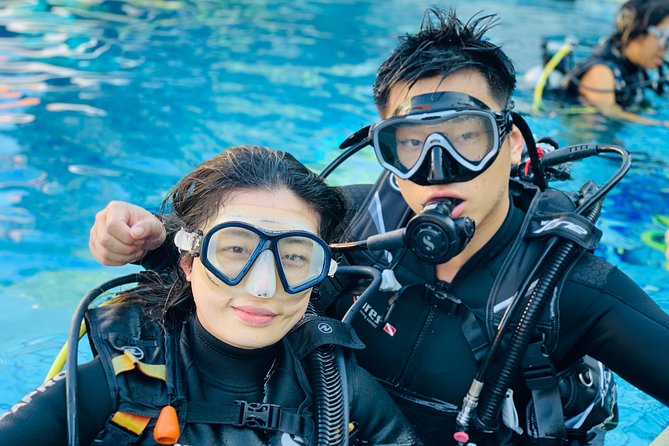
- Three stages over three days: Study the basics, practise in a pool, then complete four open-water sessions.
- Two Bali locations: Padang Bai and Tulamben provide the sea portion of the course.
- Small group size: The course accepts a maximum of three participants.
- Pickup and meals included: Hotel transport, an air-conditioned minivan, lunch, snacks, bottled water, coffee, and tea are covered.
- Patient instruction: Gede Ariawan, Sia, Julian, and Muli are among the instructors and guides praised for calm, personal teaching.
- Plan around flights: You should not schedule a flight within 18 hours after your underwater sessions.
What you are really buying for $530
At $530 per person, this is not a cheap add-on to a Bali holiday. It is a full entry-level certification course, spread across three days, with teaching, pool work, four open-water sessions, transport, food, and professional supervision included.
I think the price makes the most sense if you value convenience. You are not piecing together separate transfers to Sanur, Padang Bai, and Tulamben. You are not arranging lunch between training sessions. You also get a course designed to give you an internationally recognized foundation rather than a single supervised experience.
The value depends on your plans after Bali. If you expect to take more scuba holidays, certification can pay off quickly because it gives you more freedom to join recreational boat and shore outings that require an Open Water qualification. If you only want to try breathing from a tank once, this course may be more commitment than you need.
The package includes all taxes, fees, and handling charges, so the advertised price is easier to judge. Souvenir photographs are extra. That is a minor cost consideration, but underwater photographs can be tempting, so decide in advance how much you want to spend on them.
A few more Kuta trips worth weighing up
- Nusa Penida day trip: boat, 4 snorkeling, Manta rays & Land tour
★ 5.0 · 2,033 reviews - Bali Nusa Penida West Private All-Inclusive Tour
★ 5.0 · 1,277 reviews - Mount Batur Sunrise Trekking Private Tour with Breakfast and Hotel Transfer
★ 5.0 · 885 reviews
Day one: study before entering the water
The first phase is Knowledge Development. This is where you learn the principles that make the later practice safe and understandable, including basic equipment use, underwater communication, pressure, buoyancy, and responsible behavior.
The exact classroom format is not specified, so you should confirm before booking whether your preparation is completed in person, online, or through a mix of both. One useful option mentioned by a past participant was completing the theory through the PADI website before arriving in Bali. If that option is available for your booking, it can free more time during the three-day visit for practical work.
Do not treat the study portion as paperwork to rush through. The material explains why you equalize your ears, how air pressure affects your body, and what to do when something feels wrong. Those lessons matter long after the certificate is printed.
You will likely start at Neptune Scuba Diving in Sanur. The meeting point is on Jl. Suka Merta in Sanur Kauh, Denpasar Selatan. Hotel pickup and drop-off are offered, but you should give accurate accommodation details when arranging the booking. Pickup is especially useful if you are carrying personal items or staying away from the main Sanur roads.
The day may feel less dramatic than the later trips to the coast, but it is an important part of the course. I would rather have an instructor spend time checking your understanding here than hurry you toward the sea.
Pool training: building calm, repeatable skills
The second phase is pool training. This is where the ideas from the first day become physical habits.
You practise with the equipment in controlled conditions before handling open water. The goal is not to perform every task perfectly on your first attempt. The goal is to learn how to respond calmly, listen to the instructor, and repeat essential skills until they feel manageable.
This is where the small group limit matters most. With no more than three participants, the instructor has a better chance of seeing how each person moves, breathes, and handles equipment. If you struggle with buoyancy or feel uneasy in the water, personal correction is far more useful than a general speech given to a large class.
Muli was specifically praised for helping one participant improve buoyancy control. Gede was described as patient with a teenager and with a beginner who had little swimming experience. Those details matter because beginners do not all arrive with the same level of confidence.
The course information says most people can participate, but it also sets clear health rules. You need healthy respiratory and circulatory systems, and all body air spaces must be normal and healthy. A current cold or congestion, coronary disease, epilepsy, a serious medical problem, alcohol use, or drug use can prevent participation.
You complete a health questionnaire before entering the water. Answer it honestly. If you have asthma, a heart condition, or another medical concern, consult a doctor before booking rather than hoping the issue will not arise at the training center.
The minimum age is 10. For anyone under 18, I would confirm the paperwork and supervision requirements directly with Neptune Scuba before paying.
Padang Bai: the first open-water test
The sea portion includes four open-water sessions in Padang Bai and Tulamben. The supplied schedule does not say exactly which site comes first, so your instructor will determine the order based on the teaching plan and conditions.
Padang Bai is one of the course locations, and its role is practical: it gives you a real sea setting in which to apply the pool skills. Open water introduces variables that a pool cannot fully copy, such as natural visibility, current, depth changes, and the simple feeling of being in the sea.
Your first session can be the point at which excitement and nerves arrive together. That is normal. You will need to focus on the instructor’s signals, your breathing, your position in the water, and the basic procedures you practised earlier.
This is not the time to show off. Stay close to the guide, speak up if you feel uncomfortable, and ask for a pause when you need one. A patient instructor can help you solve a small problem before it becomes a larger one.
Neptune’s course includes a professional guide and driver, along with transport in an air-conditioned minivan. Lunch, bottled water, snacks, coffee, and tea are included. Those details may sound ordinary, but a full day around the coast can be tiring, and having food and drinks organized keeps your attention on the training.
A completely different kind of day out in Kuta:
- Individual Bali Day Trip with Private Driver and Free WiFi
★ 5.0 · 755 reviews - Waterbom Bali Tickets – Single Day Pass
★ 4.5 · 620 reviews - Private Tour Mount Batur Sunrise Trekking and Natural Hot Spring
★ 5.0 · 431 reviews - Private Tour Bali Beaches and Uluwatu Temple with Dinner
★ 5.0 · 363 reviews
Tulamben: applying the course in a second setting
Tulamben is the other open-water location. Training at two sites gives you a broader introduction to sea conditions than repeating every session in one place.
The information provided does not specify the exact underwater route, reef features, or wreck access used during this course. That is useful to remember when comparing descriptions online. You should book this as a certification course first, not as a sightseeing trip built around a guaranteed attraction.
The value of Tulamben is that it forms part of your practical qualification. You are learning to manage your equipment, communicate underwater, control your position, and follow safe procedures in a genuine marine setting. The scenery is a welcome bonus, but the instructor’s assessment comes first.
Some participants continue with Neptune Scuba after certification for additional recreational sessions in Tulamben and Nusa Penida. That suggests the course can serve as a starting point for a longer Bali underwater itinerary, though extra sessions are not included in the $530 price.
By the end of the four open-water sessions, you should have completed the practical requirements for the PADI Open Water certification if your instructor confirms that your skills meet the standard. The maximum depth for a certified Open Water Diver is 18 meters.
Why the instructors matter more than the scenery
A certification course can take you to attractive coastal locations and still be a poor experience if the teaching is rushed. Here, the strongest pattern is the praise for patient, encouraging instruction.
Gede Ariawan has been singled out for personal attention and a calm manner. Sia was praised for patience during a three-day course followed by additional sessions. Julian taught a couple from New York, while Muli helped with buoyancy and encouraged a participant who was not a strong swimmer.
That does not guarantee you will be assigned one of those instructors. Staff assignments can change. Still, the names give you useful questions to ask: Who will teach my course? How many people will be in my group? Can a nervous beginner take extra time with a skill?
I like that the maximum group size is three. It does not remove every risk or guarantee a perfect personality match, but it should make communication easier. For a new diver, being noticed quickly is a real safety benefit.
The course is also suitable for solo participants. One person was paired with another beginner and received patient support from the instructor. If you are traveling alone, you should not assume you need to bring a friend to make the booking worthwhile.
Transport, meals, and the working day
The course begins and ends at Neptune Scuba Diving in Sanur unless hotel pickup and drop-off are arranged. The listed opening hours are 7:00 AM to 6:00 PM every day during the stated operating period.
The schedule may involve early starts, especially for trips to the east coast. The precise pickup time is not supplied, so ask Neptune Scuba for the daily timetable before booking accommodation or other activities.
Transport is by air-conditioned minivan with a driver or guide. This is more convenient than arranging separate taxis, especially when you have several days of equipment and early coastal travel. It also means you should allow some flexibility for road conditions. Bali journeys can take longer than a map suggests.
Lunch, snacks, bottled water, coffee, and tea are included. Bring any personal medication, sunscreen, and clothing you need for a full day. The package does not say that personal underwater cameras, extra meals, or souvenir photographs are included. Photos are available to purchase separately.
The activity ends back at the meeting point. That makes it easier to plan your next evening, but I would not schedule an important appointment immediately after a training day. You may be tired, and the return time can depend on the day’s route and conditions.
Safety rules you should take seriously
The course has a clear post-flight rule: avoid flying within 18 hours of underwater activity. Build that buffer into your Bali itinerary rather than trying to squeeze the course between a morning arrival and an evening departure.
You also need to avoid alcohol and drugs before participating. A current cold or blocked nose can interfere with equalizing pressure, so reschedule if you are congested rather than forcing yourself through the session.
The health questionnaire is not a formality. Respiratory and circulatory health, normal air spaces, and certain medical conditions all affect whether you can safely participate. Ask your doctor for advice if you have asthma, heart problems, epilepsy, or another condition listed in the medical guidance.
The minimum age is 10, and most people can take part if they meet the health requirements. The course is not described as wheelchair accessible, so anyone with mobility needs should contact the operator directly before booking.
Who will get the most from this course
This course suits you if you want a proper certification rather than a brief introduction. It is also a good fit if you prefer a small group, want transport arranged, and plan to continue with recreational underwater trips after Bali.
It can work well for couples, families with an eligible child, and solo participants. The patient teaching style described for beginners and weaker swimmers is encouraging, but you still need to be comfortable answering health questions honestly and completing the required skills.
I would think twice if your Bali schedule is packed. Three days is a meaningful commitment, and the course is not something to squeeze into spare gaps around long transfers, nightlife, or a flight home.
I would also avoid booking if you are currently congested, have not checked a relevant medical condition with your doctor, or cannot leave an 18-hour gap before flying. Those are not minor scheduling details. They affect your ability to participate safely.
Booking and cancellation advice
Confirmation is received at booking, and the course is typically reserved about 11 days ahead. That is a useful planning guide, but I would book earlier if your Bali dates are fixed or if you specifically want a small group.
Free cancellation is available up to 24 hours before the experience starts. Cancellation inside that window is not refundable, and changes made within 24 hours are not accepted. The cutoff follows local Bali time.
Because the course occupies three days, check your hotel dates, flight plans, and health before booking. A flexible booking is helpful, but it does not replace good scheduling.
Should you book Neptune Scuba’s PADI course?
I would recommend it if you want a serious, well-supported path to certification in Bali. The combination of a three-person maximum, four open-water sessions, patient instructors, hotel transport, meals, and two coastal training locations gives the $530 price solid practical value.
Book it especially if you are new to scuba and want an instructor who will slow down for buoyancy, confidence, or basic swimming concerns. Ask about the instructor assigned to you and whether theory can be completed online before arrival.
Skip it if you only want a quick underwater taste, have no room for three full days, or cannot meet the health and flight restrictions. For everyone else, Neptune Scuba offers a sensible route from first pool practice to a recognized 18-meter certification.
FAQ
How long does the PADI Open Water Course take?
The course takes approximately three days. It includes Knowledge Development, pool training, and four open-water sessions.
Where does the course begin and end?
The course begins at Neptune Scuba Diving Bali on Jl. Suka Merta, Sanur Kauh, Denpasar Selatan, Bali. It ends back at the meeting point.
Which locations are used for the open-water sessions?
The four open-water sessions take place in Padang Bai and Tulamben.
What is the minimum age?
The minimum age is 10 years.
Is hotel pickup included?
Yes. Hotel pickup and drop-off are included, along with transport by air-conditioned minivan.
Can I fly soon after completing the course?
Flying within 18 hours of underwater activity is not recommended. Plan your departure with that waiting period in mind.
Just added around Kuta
- Thing to do – ATV Quad Bike, River Tubing and Tlaga Singha★ 4.0 · 3 reviews
- Mount Batur Sunrise Trekking and Natural Hot Spring★ 5.0 · 3 reviews
- Private Surfing Lesson Bali★ 5.0 · 3 reviews
- Bali Blue Lagoon Snorkeling with Private Transfer and Lunch★ 5.0 · 3 reviews
- Mount Batur sunrise hike & white water rafting★ 4.5 · 3 reviews
- Best of Ubud Adventure: Ayung Rafting – ATV – Quad Bike with Private Transport★ 5.0 · 3 reviews
- Your Fragrance Selection: Bali Perfume Workshop and Creations★ 5.0 · 3 reviews
- Bali Half Day Tour – Taman Ayun temple, Alas Kedaton,Tanah lot sunset Dinner★ 5.0 · 3 reviews
Kuta Tours, compared.
Nusa Penida day trip: boat, 4 snorkeling, Manta rays & Land tour
Read our review →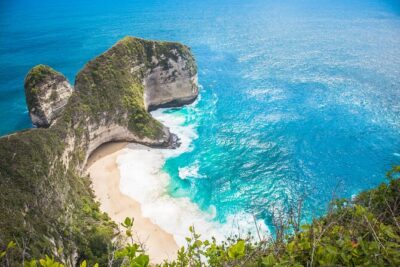
Bali Nusa Penida West Private All-Inclusive Tour
Read our review →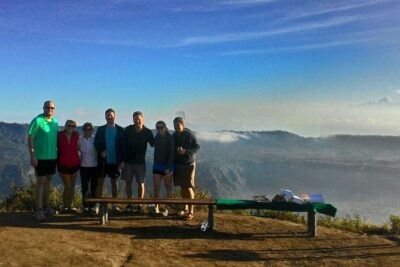
Mount Batur Sunrise Trekking Private Tour with Breakfast and Hotel Transfer
Read our review →
Individual Bali Day Trip with Private Driver and Free WiFi
Read our review →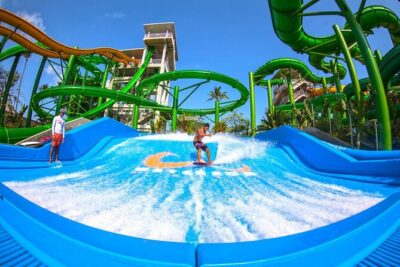
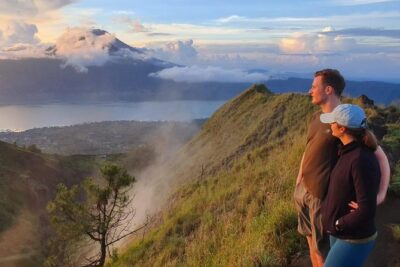
Private Tour Mount Batur Sunrise Trekking and Natural Hot Spring
Read our review →
Best bali transport service – custom your own itinerary
Read our review →