Reviewed · UBUD TOURS
Lokasari: Coffee Plantation Tour, Herbal Tea & Pure Honey
Coffee, tea, and honey share one short tour. Lokasari Agrowisata offers a pleasant way to see Bali’s farming traditions without spending half a day on the road. I especially like the mix of a coffee plantation walk and hands-on herbal tea tasting, plus the chance to sample two kinds of raw honey from stingless bees.
The $6 price is excellent for a 90-minute guided visit, and the guides are praised for being friendly, attentive, and easy to understand in English. My main caution is the tight schedule. One visitor felt there was not enough time, so you should see this as a compact introduction rather than a slow farm stay.
In This Review
- Key things to know before you go
- Entering through the Balinese gate
- Walking through Bali’s coffee plants
- Understanding the Luwak coffee process
- Picking herbs for a fresh cup
- Meeting Trigona and Tapis stingless bees
- What $6 gets you in 90 minutes
- Who will enjoy this plantation visit
- Practical tips for a smoother visit
- Should you book Lokasari?
- FAQ
- How long does the Lokasari coffee plantation tour last?
- How much does the experience cost?
- What languages are available?
- Is transportation included?
- Where is the meeting point?
- Do I get to taste Luwak coffee?
- What kinds of honey can I taste?
- Is the tour suitable for children and older adults?
- Can I bring my pet?
Key things to know before you go
- Luwak coffee is explained from cherry to cup, including the role of civets and the cleaning, roasting, and brewing steps.
- Fresh herbs are part of the experience, with lemongrass, ginger, turmeric, rosella, cinnamon, hibiscus, vanilla, and other plants introduced along the way.
- Stingless Trigona and Tapis bees produce different honeys, one tangy and probiotic-rich, the other sweeter and more floral.
- The $6 fee offers strong value, especially if you enjoy tastings and short cultural stops.
- The tour lasts 90 minutes, so the pace can feel brisk if you want long explanations or plenty of photographs.
- The free tester offer needs clarification, since the information gives both 12 and 16 coffee and tea samples with the purchase of one cup of Luwak coffee.
Entering through the Balinese gate
The meeting point is simple to spot. Go to the main entrance near the large Kopi Luwak sign, then look for the traditional Balinese gate and the thick greenery around it. Your guide should be waiting in a traditional Balinese madya uniform.
That clear roadside meeting point matters in Bali, where plantation entrances can look similar from a passing car. You do not need to search for a separate office or visitor center. Free parking and a toilet are available on site, which makes the stop easy to add to a day of sightseeing.
The tour is offered in English and Indonesian, with an audio guide in both languages. The local guides are described as warm and attentive. One English-speaking guide was especially friendly, explained things clearly, and continued chatting after the tour without pressuring anyone to buy something. That relaxed approach is a real plus.
Still, do not expect a large museum-style operation. This is a working agricultural attraction with a simple, local feel. That is part of its appeal, but it also means the experience depends on the guide and the pace of the group.
A few more Ubud trips worth weighing up
- Mount Batur Sunrise Trekking (Private, Breakfast and Visiting coffee plantation)
★ 5.0 · 27 reviews - coconut wine and coffee safary tour
★ 5.0 · 16 reviews - Batur Volcano Sunrise Trekking, Rice Teracce & Bali Coffee Plantation Tour
★ 5.0 · 3 reviews
Walking through Bali’s coffee plants
The first main part is a guided walk through the coffee plantation. You will see a tropical farm setting, fresh air, and coffee plants growing among other useful trees and plants. The guide explains local coffee varieties and farming methods passed down through generations.
The focus is not only on coffee as a drink. You also get a look at how farming fits into everyday Balinese life. Eco-friendly growing methods and the relationship between crops, shade, soil, and surrounding plants are part of the conversation.
I like this section because it gives the tasting some context. Coffee can seem like a finished product in a shop, but here you can connect the cup with the plant and the work behind it. If you have never visited a coffee farm, even a short walk can make the process more memorable.
Wear comfortable walking shoes. The route passes through natural farm areas rather than a smooth indoor attraction. The site is suitable for children and older adults, but anyone who walks slowly should tell the guide in advance. Sun protection is sensible during midday, and umbrellas are provided if rain arrives.
The main limitation is time. A 90-minute tour must cover coffee, tea, honey, explanations, and tastings. You may get a useful overview, but you should not expect a long botanical walk or detailed instruction about every plant.
Understanding the Luwak coffee process
Luwak coffee is the best-known part of the visit, and the tour explains how the beans move from fruit to brew. Civets, called luwak in Indonesia, naturally select and eat ripe coffee cherries. After passing through the animal’s digestive system, the beans are collected, cleaned, roasted, and brewed.
This process is unusual, which is why Luwak coffee has become one of Indonesia’s most famous specialty products. The resulting coffee is often described as smooth and distinctive. You get to see the basic production method and taste a fresh cup rather than hearing only a sales pitch.
There is also an important ethical question here. Any responsible explanation of Luwak coffee should make you think about how civets are treated and whether the beans come from animals living freely or from animals kept in poor conditions. The supplied information highlights ethical considerations, but it does not provide detailed certification or animal welfare standards for this particular site.
I would ask the guide directly about the source of the beans if this matters to you. That question is not rude. It shows that you understand the difference between traditional production and commercial exploitation.
The tasting arrangement deserves close attention. The experience includes a cup of Luwak coffee and traditional brewing tools. The details also mention free samples of coffee and tea varieties with the purchase of one cup of Luwak coffee, but they give two different totals: 16 testers in one place and 12 varieties in another. Confirm the current number before booking or buying.
That tasting can provide good value, especially for anyone who wants to compare flavors without ordering several full drinks. If you do not enjoy coffee, the herbal tea section gives the visit another reason to come.
Picking herbs for a fresh cup
After the coffee portion, you visit a garden filled with local medicinal plants. Lemongrass, ginger, turmeric, and rosella are specifically included, while cinnamon, hibiscus, vanilla, and other spices and plants may also be introduced.
This is one of the most hands-on parts of the tour. You can pick fresh herbs and use them to prepare your own herbal infusion. The guide explains traditional uses, giving you a glimpse into how plants have long been used in local households.
I like the simple link between garden and cup. You see the plant, handle it, hear how it is used, and then taste a drink made from it. That sequence feels more meaningful than simply receiving a prepared tea in a shop.
The medicinal claims should be treated as traditional knowledge, not as medical advice. Ginger, turmeric, lemongrass, and other plants may be valued locally for various reasons, but the tour is an introduction to their cultural and culinary use. If you have allergies or dietary concerns, tell the operator in advance.
The tea garden also offers a calmer pause after the coffee walk. You can sit with a cup of handmade tea and enjoy the farm setting. Photographs should be easy here, with colorful plants and greenery providing a natural backdrop.
Again, time is the issue. If you want a long lesson on each herb, you may find the stop too brief. The strength of the tour is variety, not specialist-level study.
A completely different kind of day out in Ubud:
- All-Inclusive Ubud Private Tour
★ 5.0 · 14,344 reviews - Best of Ubud Full-Day Tour with Jungle Swing
★ 5.0 · 8,571 reviews - Ubud: Monkey Forest, Jungle Swing, Rice Terrace, and Water Temple
★ 5.0 · 7,160 reviews - Best of Ubud 1-Day Private Tour
★ 5.0 · 4,451 reviews
Meeting Trigona and Tapis stingless bees
The final farm stop focuses on stingless bees. You visit the hives and watch honey being harvested from Trigona and Tapis bees.
Stingless bees are a good fit for this kind of small-scale agricultural visit because they offer a look at pollination, hive care, and honey production without the drama of a conventional bee demonstration. The information describes the harvesting process as gentle and sustainable.
You then taste two distinct raw honeys. Trigona honey is tangy and probiotic-rich, while Tapis honey is sweeter and more floral. Comparing the two side by side gives you something specific to notice rather than treating all honey as the same.
This tasting is also useful if you are considering buying a jar later. The flavor difference is clear enough to help you choose based on taste, not just packaging. One visitor enjoyed the honey enough to buy some at the attractive on-site shop, after receiving an unpressured recommendation from the guide.
Be careful with health claims. The honeys are valued locally as natural superfoods, but the experience does not replace medical advice. Tell the operator about food allergies before arrival, especially if you have a reaction to bee products or pollen.
For me, the bee section adds real variety. Without it, the visit would be another coffee tasting. With it, you get a broader picture of farm life and the small products that come from tropical plants.
What $6 gets you in 90 minutes
At $6 per person, the tour is easy to recommend on value alone. The price includes the plantation walk, a Luwak coffee explanation, the herb garden, a visit to the stingless bee hives, honey tasting, herbal tea, a local guide, traditional brewing tools, parking, and use of the toilet.
That is a lot of coverage for a short stop. You are paying less for a full farm course and more for a compact introduction to several Balinese products. If you are already visiting nearby highland attractions, this can fill a gap in the day without taking over your schedule.
The value improves if you enjoy tasting sessions. You can try coffee, herbal tea, Trigona honey, and Tapis honey in one visit. The tester offer may add even more value, but because the stated sample count differs, confirm whether the current offer is 12 or 16 varieties and remember that it requires buying one cup of Luwak coffee.
The price does not include transport, a full meal, or extra drinks and food. You need to arrange your own way to the plantation. Snacks and tastings are included only as described, so do not arrive expecting lunch.
A 90-minute duration suits you if you want an efficient activity. It may disappoint you if you prefer to linger over every sample, take many photos, or ask long questions at each stop. One visitor specifically found the tour too short, while other feedback praised the tasting and the attentive guides. Both points can be true.
Who will enjoy this plantation visit
I would suggest Lokasari to several kinds of visitors:
- Coffee fans who want to understand Luwak coffee before tasting it.
- Families looking for a gentle, educational stop suitable for different ages.
- Food-minded visitors who enjoy comparing honey, tea, and coffee.
- Nature lovers who prefer a farm setting to another crowded tourist attraction.
- Short-stay visitors who want a useful 90-minute activity.
- Shoppers who may want to take home honey, coffee, or tea after tasting first.
It is less suitable if you want a serious coffee workshop, a long hike, or a detailed animal welfare visit focused on civets. It is also not the right choice if you dislike commercial tastings or do not want the possibility of browsing an on-site shop.
The setting is described as quieter and farther from the most touristy parts of Bali. That gives the visit a more local agricultural feel, though you should still understand that it is an organized visitor experience, not an unplanned visit to a private farm.
Practical tips for a smoother visit
Book ahead, especially if your Bali schedule is tight. Advance booking is recommended to secure a starting time, and availability varies.
Wear shoes you can walk in comfortably. A hat and sunscreen are wise, particularly around midday. If rain is in the forecast, do not automatically cancel, since umbrellas are provided.
Bring questions about the Luwak coffee source, bee care, and the traditional uses of the herbs. The guides speak English and Bahasa Indonesia, and an audio guide is available in both languages. A short tour becomes more useful when you take an active role.
If you have food allergies, tell the operator in advance. Also mention accessibility needs before arrival. The site is pet-friendly, but pets must remain leashed and under control.
Cancellation is flexible: you can cancel up to 24 hours ahead for a full refund. You can also reserve now and pay later, which helps if you are still arranging several Bali day trips.
Should you book Lokasari?
Book this tour if you want a low-cost, friendly introduction to Bali’s coffee, herbs, and honey in one compact visit. The strongest points are the variety, the relaxed guides, the fresh tastings, and the chance to see real farm products before they reach the cup or jar.
Skip it if you need a slow, highly detailed plantation study or if 90 minutes feels too rushed for your style. For most visitors, though, the $6 price makes the tradeoff easy: you get a pleasant rural stop, useful local explanations, and several flavors to compare without spending much time or money.
FAQ
How long does the Lokasari coffee plantation tour last?
The tour lasts 90 minutes. It covers the coffee plantation, Luwak coffee process, herbal tea garden, stingless bee hives, and tastings.
How much does the experience cost?
The listed price is $6 per person.
What languages are available?
Live guides speak English and Indonesian. An audio guide is also available in English and Indonesian.
Is transportation included?
No. Transportation to and from the plantation is not included. Free parking is available at the location.
Where is the meeting point?
Meet at the main entrance near the large Kopi Luwak sign. Look for the traditional Balinese gate and surrounding greenery. The guide should be wearing a traditional Balinese madya uniform.
Do I get to taste Luwak coffee?
Yes. The experience includes an educational session about the Luwak coffee process and a cup of Luwak coffee as part of the tasting arrangement.
What kinds of honey can I taste?
You can taste raw Trigona honey and Tapis honey. Trigona is described as tangy and probiotic-rich, while Tapis is sweeter and more floral.
Is the tour suitable for children and older adults?
Yes. The experience is described as suitable for all ages, including children and seniors. Comfortable walking shoes are recommended because the tour passes through natural farm areas.
Can I bring my pet?
Yes. The site is pet-friendly, but pets must be leashed and kept under control at all times.
Just added around Ubud
- Private Bali UTV Adventure★ 5.0 · 3 reviews
- Bali Culture Tour★ 5.0 · 3 reviews
- Sidemen Highlights Day Tour★ 5.0 · 3 reviews
- Forest Dining at Tree Deck overlooking lush valley of Ubud★ 5.0 · 3 reviews
- Bali: Nusa Lembongan Snorkeling-Island Tour Daytrip-All Inclusive★ 5.0 · 3 reviews
- Private Guided Bali Car Charter★ 5.0 · 3 reviews
- East Bali and Lempuyang Temple Tour★ 5.0 · 3 reviews
- Best ATV Quad Bike: Fun ADVENTURE★ 5.0 · 3 reviews
Ubud Tours, compared.


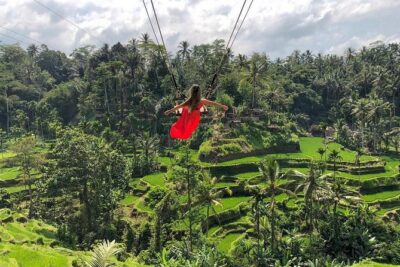
Monkey Forest, Jungle Swing, Rice Terrace, and Water Temple
Read our review →


Uluwatu Sunset, Kecak Dance, and Dinner Jimbaran Beach
Read our review →
Tanah Lot and North Bali Tour: Scenic Journey
Read our review →