
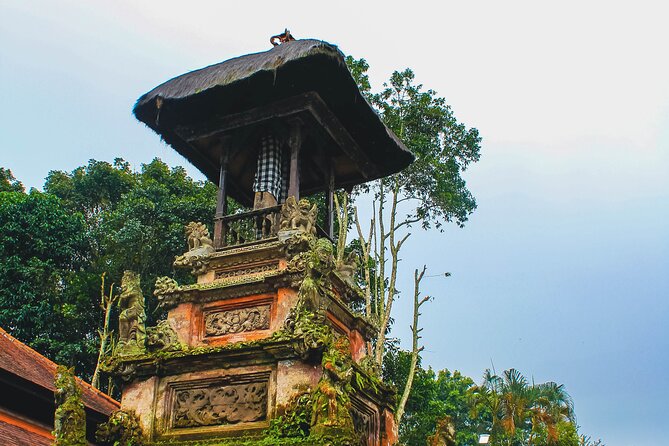
Reviewed · RICE TERRACE TOURS
Jatiluwih Batukaru Mountain Nature’s Best Tour
Bali has a quieter side. This 8-hour outing takes you from the island’s crowded southern resorts into the Batukaru foothills, where rice terraces, farm villages, forest, and Pura Luhur Batukaru show you a more rural side of Bali. I like the peaceful temple setting and the chance to see how farming shapes daily life, not just admire another pretty viewpoint.
I also like the small-group format, air-conditioned transport, hotel pickup, entrance fees, and an English-speaking guide included in the price. The main caution is time: traffic, hotel pickups, winding roads, and optional craft stops can make this a long day, and some departures have included nearly two hours of shopping visits that were not part of the advertised core experience.
In This Review
- Key points to know before booking
- Leaving Bali’s resort belt behind
- Batukaru foothills and Bali’s farming culture
- Jatiluwih rice terraces: the day’s signature view
- A quiet walk to Pura Luhur Batukaru
- The added craft and coffee stops
- How long the day really feels
- What the $61.54 price includes
- Pickup, timing, and practical planning
- Who will enjoy this Bali day trip most
- Should you book the Jatiluwih Batukaru tour?
- FAQ
- How long is the Jatiluwih Batukaru Mountain Nature’s Best Tour?
- What time does the tour start?
- Is hotel pickup included?
- What group size should I expect?
- Is food included?
- Is the tour suitable for most people?
- Are entrance fees included?
- Does the tour include shopping or coffee stops?
- What is the cancellation policy?
Key points to know before booking
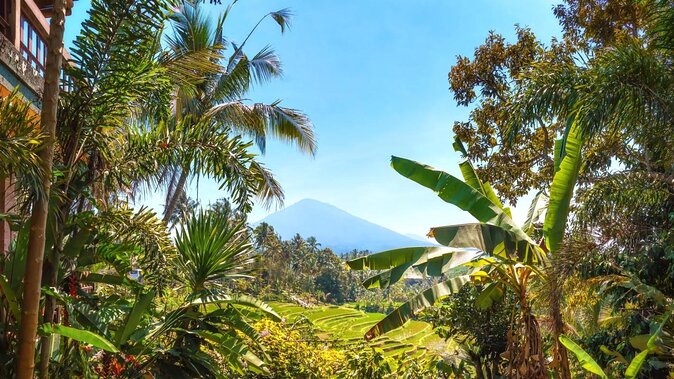
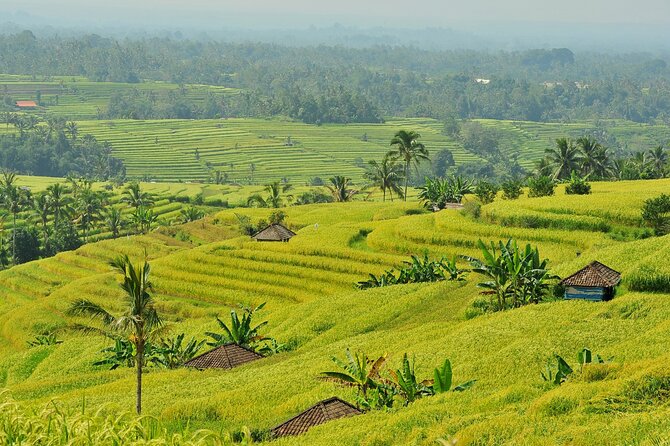
- Jatiluwih’s rice terraces are the visual high point, with curved paddies cut into the hills and framed by the Batukaru Mountains.
- Pura Luhur Batukaru feels unusually quiet, especially compared with Bali’s better-known temple sites.
- The ride matters: traffic near Denpasar and winding mountain roads can take up a large part of the day.
- Guide quality shapes the experience, with guides such as Darta, Rody, Arya, Gus, Rodney, and Rai A. praised for clear explanations and considerate service.
- Shopping stops may appear, including batik, silver, craft workshops, and a coffee plantation, although they are not equally appealing to everyone.
- The $61.54 price is fair for convenience, but less attractive if you want a short sightseeing trip with no commercial stops.
Leaving Bali’s resort belt behind
The day begins with hotel pickup around 30 to 60 minutes before the 8:30 a.m. start. The advertised pickup area covers major hotels in Kuta, Seminyak, Sanur, Jimbaran, and Nusa Dua. The meeting information also gives Batu Karu Temple as the starting point, so I would confirm your exact pickup arrangement before travel, especially if you are staying in Ubud or outside the listed resort areas.
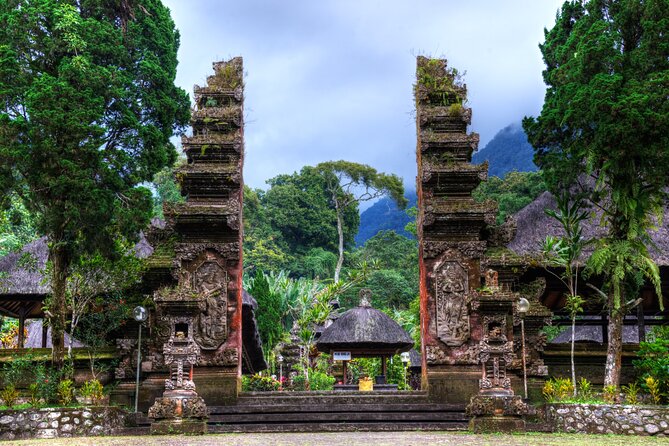
At first, the drive passes through busy parts of southern Bali. Then the view changes. Urban streets give way to farm fields, palms, village compounds, and mountain scenery. This transition is part of the appeal. You are not simply being delivered to a famous photo stop. You get a sense of how quickly Bali changes once you leave the coast and the major resort roads.
The vehicle is air-conditioned, and having someone else handle the driving is valuable here. The roads toward the Batukaru area can be winding, uneven, and slow. One person described the ride as difficult for motion sickness, even with preventive measures. If you are sensitive to swaying and frequent stops, sit where you feel most stable, keep water nearby, and treat the drive as a real part of the outing rather than a short transfer.
The tour is described as small group, but the supplied details give two different limits: the overview says up to six participants, while the included information says a maximum of 15. Actual departures can therefore vary. Some couples have had a private-feeling vehicle, while other groups included several people. Ask the operator about the expected group size if personal service is important to you.
More rice terrace tours:
- Ubud: Monkey Forest, Jungle Swing, Rice Terrace, and Water Temple
★ 5.0 · 7,160 reviews - Full-Day Tour to Water Temples and UNESCO Rice Terraces in Bali
★ 5.0 · 2,539 reviews - Ubud: Downhill Cycling with Volcano, Rice Terraces and Meal
★ 5.0 · 536 reviews
Batukaru foothills and Bali’s farming culture
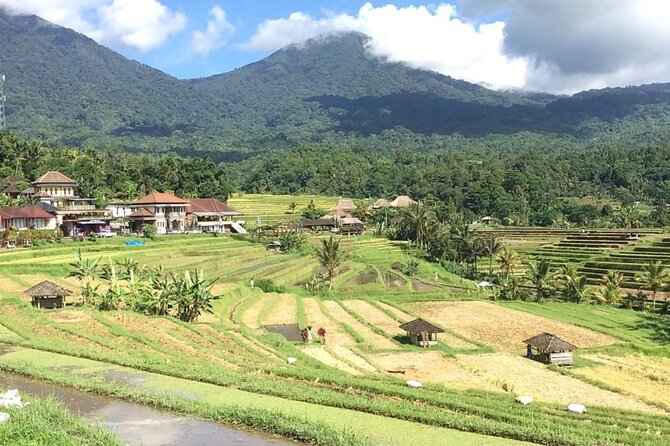
The first major section explores the fertile foothills of Mount Batukaru. Volcanic soil supports spices, vegetables, flowers, tropical fruit, and rice. The point is not simply to look at greenery. Your guide can help explain how agriculture supports village life and why the rice fields are carefully shaped into terraces rather than spread across flat ground.
The area is often described as a farming center for Bali, and you will see why. The crops are varied, and the hills are worked with care. Balinese agriculture is presented as a communal effort as well as a practical one. Water, labor, and land use are tied to village cooperation, which gives the terraces meaning beyond their appearance.
This is one of the tour’s strongest cultural elements. You are seeing food production, not a recreated village built only for sightseeing. The experience is still organized for visitors, of course, but the countryside itself remains the main attraction.
The timing allows roughly two hours for the Batukaru foothills and Jatiluwih area. That sounds generous, although the exact balance depends on traffic, the guide, weather, and any extra stops added during the day. Ask questions as you go. Guides such as Darta, Arya, Gus, and Rai A. received especially warm praise for explaining local customs and making the day easy to follow.
Jatiluwih rice terraces: the day’s signature view
Jatiluwih is the scene most people picture when they imagine Bali’s highland rice country. The paddies curve across the hills in layered bands, creating a huge pattern of green and brown that changes with the growing season. The terraces are both useful farmland and carefully shaped scenery.
You should allow time for photographs, but do not rush through the explanation of how the fields work. The value of this stop comes from combining the view with an understanding of the people who maintain it. The terraces provide food and income for the local community, and their shape reflects years of shared work.
The route may include a short walk, though the supplied information does not specify a long or strenuous hike. You should still wear shoes with a decent grip. Rain is common in the mountain area, and wet paths can be slippery. One account specifically notes that moss and moisture made temple steps and walkways slick, so stable footwear is a sensible choice.
The rice terrace stop can also involve a restaurant visit. Food and drinks are not included, and the quality may vary. One meal was considered expensive and disappointing, while another group enjoyed a restaurant with a view over the paddies. I would keep expectations simple: the scenery is the reason to stop, not a guaranteed dining highlight. If lunch matters to you, ask where the group will eat and what costs to expect.
A quiet walk to Pura Luhur Batukaru
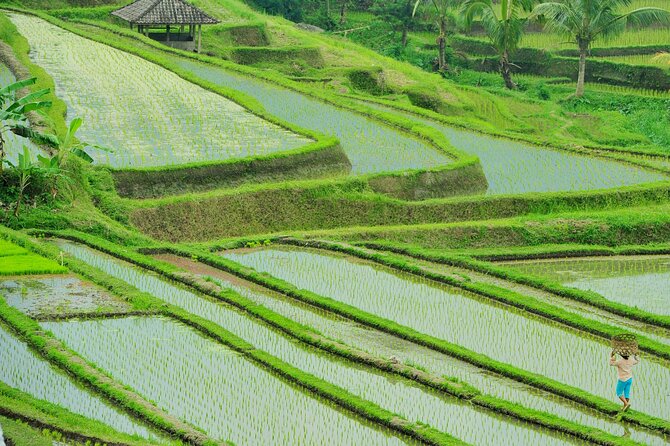
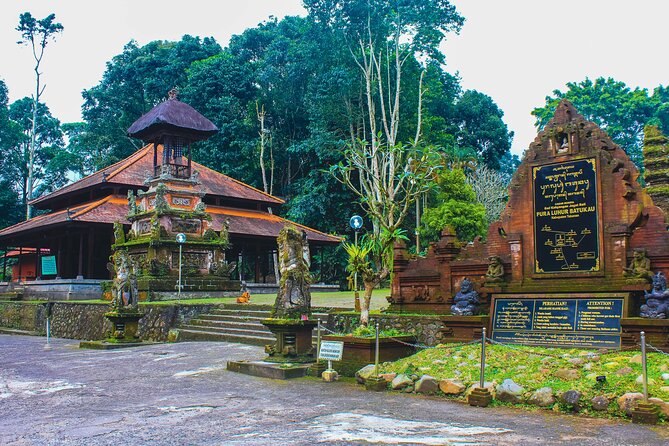
From the rice-growing area, the route continues through thick tropical forest toward Pura Luhur Batukaru. The temple sits below Mount Batukaru and is regarded as one of Bali’s most sacred Hindu sites, with only Besakih generally considered more holy in the information provided for this tour.
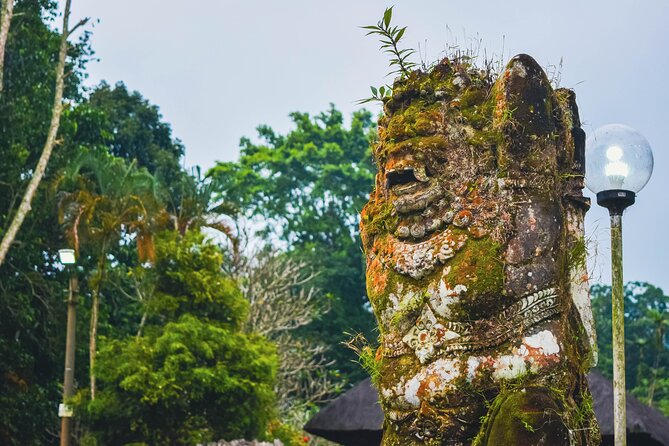
The setting is the real reward. Accounts of the visit describe birds, butterflies, forest sounds, water, mossy paths, and very few other groups. This gives the temple a calm quality that can be hard to find at Bali’s more famous monuments. You may have time to pause, sit quietly, and take in the shrines rather than being hurried from one photo point to the next.
A good guide adds a great deal here. The temple’s architecture and religious role can be difficult to understand without context. Guides praised by name include Darta, Rody, Radiawan, Arya, Gus, Rodney, and Rai A. One guide, Rodney, was especially appreciated for allowing time to meditate and stop for photographs. Another, Radiawan, was praised for being punctual and attentive throughout the day.
Guide styles are not identical. One account found the guide well informed but somewhat distant, while another found a guide too serious. That is worth remembering if you prefer a lively storyteller. The operator generally receives high marks for guide care and English communication, but your experience will depend on the individual assigned.
Dress respectfully for the temple. The provided details do not state a specific dress code or whether a sarong is supplied, so confirm this before departure. At minimum, choose clothing suitable for a Hindu temple and walking on damp paths.
The temple itself is not simply a collection of decorative gates. It has religious importance for Balinese Hindus and is connected with the protection of the island from harmful forces. The present structures date from the 20th century, while the original temple was built much earlier and later destroyed by fire. That historical detail may not always be explained during the visit, so ask your guide about the temple’s past if it interests you.
A few more Ubud trips worth weighing up
- All-Inclusive Ubud Private Tour
★ 5.0 · 14,344 reviews - Best of Ubud Full-Day Tour with Jungle Swing
★ 5.0 · 8,571 reviews - Best of Ubud 1-Day Private Tour
★ 5.0 · 4,451 reviews - Bali: Ubud Palace Legong Dance Show Ticket
★ 4.4 · 3,979 reviews
The added craft and coffee stops
The central promise of the outing is the countryside, rice terraces, and Batukaru temple. In practice, some departures have also included visits to batik and silver workshops, craft outlets, a spice garden, and a coffee plantation.
These stops can be enjoyable if you like seeing how local products are made or want souvenirs. The coffee visit has been a favorite for some people because it includes samples of several teas and coffees. Luwak coffee may also be offered, sometimes at an additional cost. If you are curious about Bali’s coffee culture, this can be a pleasant break.
The drawback is time and sales pressure. Some people felt the craft visits offered little demonstration and were mainly shopping opportunities. One departure spent close to two hours at four craft houses, which made the day feel longer and less connected to the advertised mountain and temple visit. Another person liked the batik, silver, and coffee stops, so your reaction will depend on your interest in buying local goods.
You can handle this part simply. Ask the guide at the start which stops are planned and how long each one will last. If you do not want to shop, say so politely. The tour is not advertised as a dedicated shopping trip, and your time is better spent at the rice terraces and temple if those are your priorities.
How long the day really feels
The official duration is about eight hours, but some departures have run longer. Hotel collection can take time, and traffic around Denpasar and on the return journey may be heavy. The mountain drive itself is scenic, but it is not fast.
The schedule lists about two hours each for the Mount Batukaru area, Jatiluwih rice terraces, and Luhur Batukaru Temple. In reality, these blocks may blend together, with driving, walking, explanations, lunch, and extra stops folded into the day. You should book this as a full-day outing rather than a guaranteed half-day trip.
Several people have called it a half-day tour because the main sightseeing felt compact. That can be true if the group avoids long commercial stops and traffic is kind. It can also become a tiring eight or nine-hour day if the roads are slow.
Weather matters. Rain can make the temple paths slippery and soften the views across the terraces. Still, a wet day does not automatically ruin the experience. One group enjoyed the temple and countryside despite heavy rain, thanks in part to a respectful guide and clean vehicle.
What the $61.54 price includes
At $61.54 per person, the tour is priced as a convenient guided day rather than a bare transport service. The fee includes an English-speaking licensed guide, an air-conditioned vehicle, hotel pickup and drop-off from the listed areas, and entrance fees for the included sightseeing.
That is reasonable if you are traveling without a car, want cultural explanation, and prefer not to manage mountain roads yourself. It becomes better value when the group is small, since you get more room to ask questions and request photo stops. Some departures have had only one couple or a handful of participants, creating a near-private experience.
Food and drinks are extra. Spa entrance is also listed as not included, although a spa is not part of the main description, so this detail seems unrelated to the core day. Shopping purchases, coffee samples, and lunch should be treated as separate expenses.
The value drops if you strongly dislike shopping stops, suffer badly from motion sickness, or want to spend nearly all your time walking through the rice fields. In that case, a shorter, more focused trip may suit you better.
Pickup, timing, and practical planning
The stated start time is 8:30 a.m., with pickup commonly 30 to 60 minutes earlier. Pickup is offered from major hotels in Kuta, Seminyak, Sanur, Jimbaran, and Nusa Dua. The meeting point information lists Batu Karu Temple, and the activity is shown as ending back at the meeting point.
Because the location details are not perfectly consistent, confirm the collection point and return arrangement when you book. Cruise passengers may face additional charges. Confirmation is provided at booking, and free cancellation is available until 24 hours before the local start time. Changes or cancellations inside that 24-hour window are not accepted for a refund.
Most people can participate, and the activity is near public transportation, but you should be comfortable with walking, steps, damp paths, and a long vehicle ride. The information does not promise wheelchair access or child-specific equipment, so ask the operator if those points matter for your party.
Bring:
- Comfortable shoes with grip
- Modest clothing for the temple
- Rain protection
- Water and motion sickness medication if needed
- Cash for lunch, drinks, coffee, and purchases
Who will enjoy this Bali day trip most
I would recommend this outing to you if you want to see Bali beyond beaches, shopping streets, and resort pools. It suits people who enjoy temples, farming culture, mountain scenery, quiet walks, and local explanations.
It is also a good first cultural day in Bali. One person described it as a useful introduction to the island’s customs, scenery, crafts, and village life. The variety is helpful: you see the countryside, learn about crops, visit a major Hindu temple, and possibly sample coffee or see craft production.
You may want to skip it if your main goal is a long rice-field hike. The tour gives you views and a short forest walk, but it is not presented as a serious trekking day. You may also want to avoid it if you dislike commercial stops or are prone to severe car sickness.
For photographers, the terraces and temple setting offer plenty to work with. For history and culture fans, the guide is crucial. For families or older visitors, the included transport reduces the strain of arranging several distant sites yourself, though slippery paths and vehicle time still deserve consideration.
Should you book the Jatiluwih Batukaru tour?
Book it if you want convenience, culture, and a quieter temple experience in one day. The rice terraces are beautiful, Pura Luhur Batukaru can feel wonderfully still, and a good guide can turn the drive into a useful lesson about Balinese farming and religion.
Before paying, confirm three things: your pickup location, the expected group size, and whether craft or coffee stops are planned. If the operator can keep those visits brief, the $61.54 cost is a fair deal for transport, guiding, and entrance fees. If you want a tightly focused temple and rice terrace outing with no shopping, make that preference clear in advance.
FAQ
How long is the Jatiluwih Batukaru Mountain Nature’s Best Tour?
The tour lasts approximately 8 hours, although traffic, hotel pickups, weather, and extra craft stops can make the day longer.
What time does the tour start?
The stated start time is 8:30 a.m. Hotel pickup may take place 30 to 60 minutes before that time.
Is hotel pickup included?
Yes. Pickup and drop-off are included from major hotels in Kuta, Seminyak, Sanur, Jimbaran, and Nusa Dua.
What group size should I expect?
The information gives two limits. The tour is described as a small group of up to 6 participants in one place, while the included details give a maximum of 15 travelers. Confirm the expected group size before booking.
Is food included?
No. Food and drinks are not included. You have time to stop at a local restaurant, but meals and drinks are paid for separately.
Is the tour suitable for most people?
The additional information says most travelers can participate. You should still be prepared for walking, steps, wet paths, winding roads, and a long day in a vehicle.
Are entrance fees included?
Yes. The tour includes entrance fees for the included sightseeing stops.
Does the tour include shopping or coffee stops?
Some departures have included batik, silver, craft, spice garden, and coffee plantation visits. These stops are not the main advertised focus, so ask what is planned before departure.
What is the cancellation policy?
You can cancel up to 24 hours before the experience start time for a full refund. Cancellations or changes made less than 24 hours before the start time are not accepted for a refund.
Just added around Ubud
- Kintamani Batur Jeep Sunrise Tour★ 5.0 · 3 reviews
- Bali Downhill Cycling and White Water Rafting★ 5.0 · 3 reviews
- Ubud Highlights Rice Terraces, Temple, Waterfall & Monkeys forest★ 5.0 · 3 reviews
- Bali ATV Quad Bike & Ayung River Rafting Combo with Lunch★ 5.0 · 3 reviews
- Half Day Uluwatu Temple Sunset, Kecak Dance and Seafood Dinner★ 3.5 · 3 reviews
- Blue Lagoon Snorkeling and Lunch with Tukad Cepung Waterfall★ 5.0 · 3 reviews
- Ancien Wisdom and Culture tour★ 5.0 · 3 reviews
- Full-Day Tour in Nusa Penida Island + Snorkeling Experience★ 5.0 · 3 reviews
Rice Terrace Tours, compared.
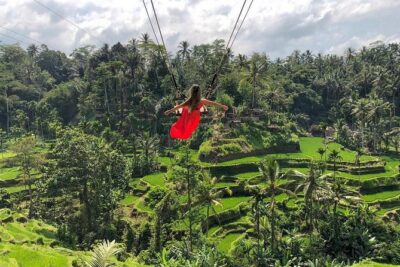
Monkey Forest, Jungle Swing, Rice Terrace, and Water Temple
Read our review →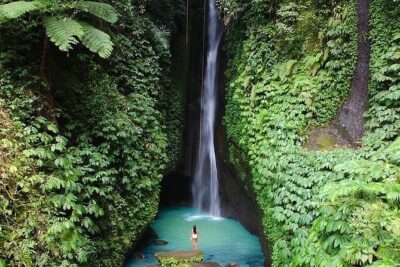
Full-Day Tour to Water Temples and UNESCO Rice Terraces in Bali
Read our review →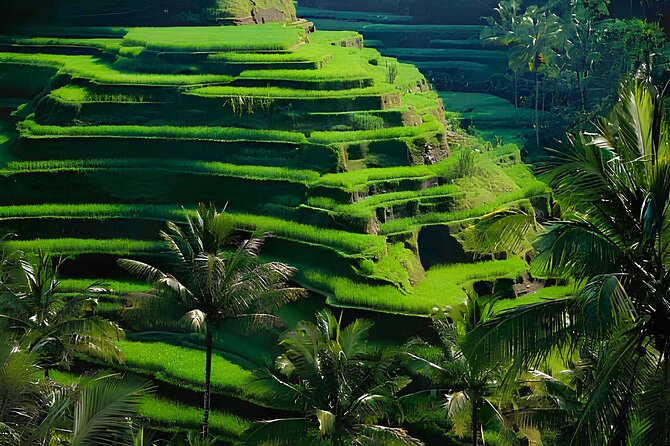
Monkey Forest, Water Temple, Rice Terrace, Waterfall
Read our review →
Downhill Cycling with Volcano, Rice Terraces and Meal
Read our review →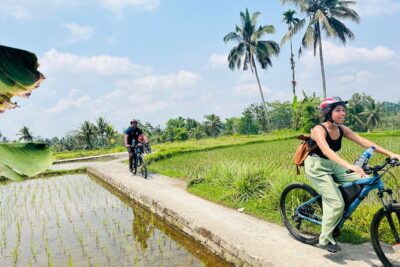
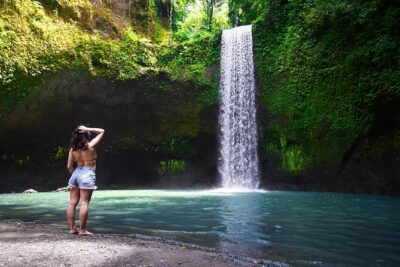
Ubud Top Attractions: Waterfalls, Temples and Rice Terraces
Read our review →Ubud Tour With Sacred Monkey Forest Sanctuary – Waterfall – Rice Terrace
Read our review →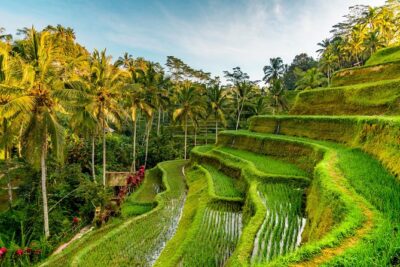
Tanah Lot Tour with Ubud Monkey Forest, Rice Terraces, and Waterfalls
Read our review →Browse the lists this tour appears in