
Reviewed · SCUBA DIVING
Introduction into diving (half day, 2 dives, no cert)
Underwater breathing changes everything. This half-day experience lets you try scuba with a PADI instructor, learn basic skills, and complete two guided sessions over shallow coral reefs without paying for a full certification course. I especially like the small maximum group of four and the calm, patient instruction praised for guides such as Roda, Longsor, Coco, Pierre, and Sasa. The included equipment, refreshments, and hotel transport also make the $121 price easier to justify.
The main catch is location. The activity information identifies Ubud, but the included pickup and drop-off apply to hotels in Amed or Tulamben, and no long-distance Ubud transfer is specified. Confirm your pickup point before paying. You must also be at least 10, able to swim, medically fit, and comfortable completing a health questionnaire.
In This Review
- Key points to know before booking
- What this half-day scuba experience is really offering
- Starting with equipment and a safety briefing
- Protected water first, then the open sea
- The first reef session
- The optional second session
- What makes the small group especially useful
- Equipment, refreshments, and transport
- Is $121 good value?
- Who should book this experience?
- Booking details and cancellation advice
- FAQ
- What is included in the half-day experience?
- Do I need scuba certification?
- How old must I be to participate?
- Do I need to know how to swim?
- Can I practice in a pool first?
- How many people are in each group?
- What happens if bad weather cancels the activity?
- Should you book it?
Key points to know before booking
- Two underwater sessions in about five hours: You learn basic skills first, then have the option of a second session for more relaxed enjoyment.
- Small groups matter: A PADI instructor works with no more than four people, giving beginners more personal attention.
- Amed offers varied underwater scenery: The program may use protected bays, shallow coral areas, and sites such as Jemeluk Wall or Lipah Bay when conditions and ability allow.
- All main equipment is included: You only need to bring swimwear, while snacks, soft drinks, hot drinks, and bottled water are provided.
- Pool practice is possible: If the ocean feels intimidating, you can begin in a resort pool before entering open water.
- Check the pickup zone carefully: Transfers are included from hotels in Amed or Tulamben, not clearly from Ubud despite the stated location.
What this half-day scuba experience is really offering
This is a first taste of scuba, not a certification course. You learn enough to handle basic equipment and underwater skills under direct supervision, then spend time in the sea with an instructor. That makes it useful for two kinds of people: complete beginners who want to test their interest, and certified people returning after a long break.
The schedule begins at 8:30 am and takes about five hours. The exact amount of time spent underwater depends on your comfort, ability, conditions, and the instructor’s judgment. You should think of the morning as a gentle introduction rather than a packed sightseeing tour.
I like this format because a full open-water certificate requires a larger commitment of time, money, and study. Here, you can find out how you feel wearing a mask, breathing through a regulator, and controlling yourself underwater before signing up for a course.
Still, this is not simply a swim with equipment. You are expected to learn and follow safety procedures. If you hope to spend the whole morning looking at fish without instruction, this may feel more structured than expected.
More diving trips in Ubud:
- Tulamben Diving USS Liberty Shipwreck Scuba Dive
★ 5.0 · 186 reviews - Discover Scuba Diving
★ 5.0 · 42 reviews - Tulamben Diving Tour Shipwreck USS Bali
★ 5.0 · 13 reviews
Starting with equipment and a safety briefing
Your instructor fits you with scuba equipment and explains how it works. The information provided does not list each item individually, but the package includes the gear needed for the activity. Bring your own swimwear, and it is sensible to arrive ready for a wet morning.
The instructors reportedly begin with a detailed explanation of equipment and basic skills. Pierre, one of the instructors praised for his first-timer instruction, is described as focusing on helping beginners manage their own buoyancy as soon as it is safe. That is a useful goal: the more you understand your equipment, the less you need to depend on frantic hand signals or constant physical guidance.
The group limit of four is one of the strongest features here. A beginner can need extra time with mask clearing, breathing, ear pressure, or simply getting used to the sensation of being underwater. With a large group, one nervous person can easily feel rushed. A small group gives the instructor more room to pause and explain.
You should be honest during the health screening. The required medical questionnaire checks whether you can safely participate. The activity is not recommended for people with diabetes, ear or sinus problems, lung injuries, recent internal surgery, asthma, allergies, or certain other medical conditions. Prescription medication can also be a concern.
The supplied information does not say that every medical condition automatically prevents participation. Instead, it makes clear that you must be medically fit and complete the questionnaire. If you are unsure, contact the operator before booking rather than waiting until the morning of the activity.
Protected water first, then the open sea
The first practical lesson takes place in a protected bay with pool-like conditions. This is a smart setting for learning. You can concentrate on breathing, movement, and basic responses without immediately dealing with a challenging sea environment.
If you feel nervous, ask about beginning in a resort pool. The program specifically allows a pool practice session for people who need more time before entering the ocean. This option can make a major difference for someone who is excited about scuba but uneasy about putting their face underwater.
The instructor’s manner matters as much as the equipment. The strongest praise has gone to patience, kindness, calm guidance, and careful attention to safety. Roda is described as attentive and professional. Longsor, the senior instructor, has taught hundreds of students in the Amed and Tulamben area over more than six years with the company. Coco and Sasa are also singled out for making nervous beginners feel secure.
You should still expect to do your part. Listen carefully, ask questions, and tell the instructor if your mask leaks, your ears hurt, or you feel uncomfortable. No first session should be a test of toughness.
The first reef session
After the basic practice, you move into open water for a guided session over shallow reefs. The stated maximum depth for an introductory participant is 12 meters when safe and appropriate, although your actual depth may be less. For a first attempt, shallow water is an advantage. You can focus on breathing and balance instead of feeling far from the surface.
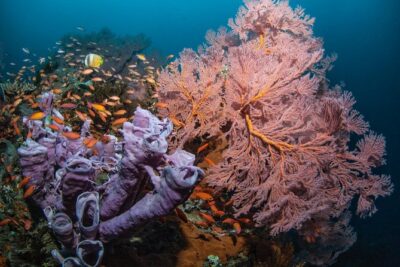
Amed is a strong setting for an introduction because the area offers coral reefs and several different kinds of underwater sites. The experience description highlights coral gardens and protected bays. Specific locations mentioned in the supplied feedback include Jemeluk Wall and Lipah Bay, though the exact site is not guaranteed.
That uncertainty is normal. The instructor must consider weather, water conditions, your ability, and the best site for the group on the day. A famous location is not automatically the right location for a beginner.
The underwater scenery can include coral and many types of fish. One account describes a request to see turtles being accommodated by choosing a site with a good chance of sightings. Treat this as a possibility, not a promise. Marine life is never fully scheduled, and the operator’s priority should be your safety and comfort.
At this stage, you may still be thinking about every breath. That is normal. The first session is partly sightseeing, but it is also practice. Your instructor may help you improve buoyancy, positioning, and communication so the second session feels less demanding.
A few more Ubud trips worth weighing up
- Half-Day Ubud Electric Cycling Tour to Tirta Empul Water Temple
★ 5.0 · 315 reviews - Half-day tour : Tanah Lot Sunset Tour
★ 5.0 · 231 reviews - Half Day Cycling Tour ( Manual Bike )
★ 5.0 · 225 reviews - Half-day Tour: Fantastic Uluwatu Sunset Tour
★ 5.0 · 196 reviews
The optional second session
The second session is recommended if you enjoy the first and feel comfortable continuing. This is where the format offers real value. Many people need the first session simply to adjust to the equipment and unusual breathing pattern. A second session gives you more time to look around instead of spending the entire outing thinking about what your hands and feet are doing.
The second outing may also allow a different shallow reef area, depending on local conditions and the instructor’s plan. The information does not guarantee particular sites, marine animals, or a specific depth. That is worth remembering if you are booking mainly for one famous underwater attraction.
I appreciate that the second session is described as being for enjoyment rather than just another skills test. You still remain under the instructor’s guidance, but the mood can become more relaxed once the first session has removed some of the mystery.
If you are tired, anxious, or struggling with ear pressure, do not feel obliged to continue simply because two sessions are included. The best part of a beginner program is the ability to stop when something does not feel right.
What makes the small group especially useful
The maximum of four participants is not just a marketing detail. It affects the entire morning. You are less likely to wait while a large group handles equipment, and your instructor can watch your breathing, body position, and comfort more closely.
The small format also supports personal requests. One person specifically hoped to see turtles and was taken to a site considered more likely to offer that chance. You should not expect every request to be possible, but a small group makes conversation and adjustment easier.
The team is described as locally run, with instructors who speak English and other languages. The staff named in the feedback include Roda, Longsor, Coco, Pierre, Sasa, Nyoman, and Kadek. Their individual teaching styles may differ, but the common thread is patient supervision and a friendly approach.
For families, the minimum age of 10 is useful. The information includes a case in which children aged 10 and 13 completed an open-water certification with support from an instructor. That does not mean every child will be ready for this introductory program. A child must still be able to swim, follow instructions, and complete the health screening.
Equipment, refreshments, and transport
The package includes the scuba equipment, which removes one of the most awkward parts of arranging a first attempt. You do not need to rent individual items separately, although you must bring swimwear.
Snacks, fizzy drinks, coffee, tea, and bottled water are also included. These are modest extras, but they matter during a five-hour morning around the water. You can focus on the activity rather than searching for food between sessions.
Two-way hotel transfers are included within the Amed and Tulamben area. That is convenient if you are staying locally, especially because arranging transport to a small coastal activity can otherwise create unnecessary hassle.
Pay close attention to the location wording. The experience is labeled Ubud in the supplied details, yet the transfer information specifically refers to hotels in Amed or Tulamben. Those destinations are not interchangeable for planning purposes. If your hotel is in Ubud, ask the operator exactly where you must meet and whether transport is available before booking.
The start time is 8:30 am. You should allow extra time for pickup if staying in the included zone, since the exact collection schedule is not provided.
Is $121 good value?
At $121, this is not the cheapest possible way to try scuba. But price comparisons can be misleading. The fee includes instruction, equipment, two underwater sessions, refreshments, and local return transport. You are also paying for a small group, which is valuable for someone who is nervous or needs repeated explanations.
The main financial benefit is avoiding the cost of a full certification course before you know if scuba suits you. If you enjoy the experience, you can consider a PADI Open Water course later. If you decide it is not for you, you have not committed to a much larger training package.
I would consider the price fair for a well-run, intimate introduction, especially if you are already staying in Amed or Tulamben. The value is less clear if you must arrange a separate long transfer from Ubud, because that extra cost and travel time are not explained here.
The operator’s equipment and staff also affect value. The available information describes well-maintained gear and instructors chosen for experience and patience. Those are the details I care about more than a free drink when my safety and comfort are involved.
Who should book this experience?
I would recommend it to:
- First-time scuba participants who want to test the activity before certification
- People who can swim and meet the medical requirements
- Couples or friends who prefer small-group instruction
- Families with children aged 10 or older who are ready to follow directions
- Certified people returning to scuba after a long break
- Visitors staying in Amed or Tulamben who want a convenient morning activity
I would be cautious if you dislike structured instruction, are uncomfortable in open water, or have a medical condition that may affect safe participation. You should also reconsider if you are booking from Ubud and have not confirmed the meeting arrangement.
This is not a sightseeing cruise. You will not simply float along while someone else handles everything. You will learn skills, communicate underwater, and take responsibility for staying calm and following instructions.
Booking details and cancellation advice
Confirmation is sent within 48 hours of booking, subject to availability. The group limit is four people, so early booking makes sense if you want a particular date or are traveling with friends.
You can cancel for a full refund up to 24 hours before the start time. Cancellations or changes made inside that window are not refunded or accepted. Poor weather can also cause cancellation, in which case you are offered another date or a full refund.
The activity depends on safe conditions. That is a good policy for scuba, even if it means your plans may change. I would avoid scheduling a flight or another fixed activity immediately afterward, since the experience lasts about five hours and transport timing can vary.
FAQ
What is included in the half-day experience?
The package includes a PADI instructor, scuba equipment, two underwater sessions, snacks, fizzy drinks, coffee, tea, bottled water, and two-way transfers from hotels in the Amed or Tulamben area.
Do I need scuba certification?
No. This is designed as an introduction for people who want to try scuba without completing a full certification course.
How old must I be to participate?
You must be at least 10 years old.
Do I need to know how to swim?
Yes. Participants must be able to swim.
Can I practice in a pool first?
Yes. If you feel nervous, you can request a practice lesson in a resort pool before entering the ocean.
How many people are in each group?
The maximum group size is four participants.
What happens if bad weather cancels the activity?
If poor weather makes the activity unsafe, you will be offered a different date or a full refund.
Should you book it?
Book this experience if you want a careful first look at scuba, especially if you are staying in Amed or Tulamben and value personal instruction. The two-session format, small group, included equipment, and patient instructors make it more useful than a quick introductory swim.
Before booking, confirm the pickup location, disclose any medical concerns, and bring only swimwear and a willingness to listen. If you want a guaranteed turtle sighting, a specific reef, or a full qualification, this is not the right promise to buy. If you want to find out, in one morning, whether breathing underwater feels thrilling or simply strange, this is a sensible place to start.
Just added around Ubud
- Mount Batur Jeep Tour★ 5.0 · 6 reviews
- Private Balinese Cooking Class and Balinese house -All inclusive★ 5.0 · 6 reviews
- Bali Individual Route With Private English Speaking Driver★ 5.0 · 6 reviews
- Mount Batur Sunrise Jeep Tour★ 5.0 · 6 reviews
- Private Nusa Penida West Trip★ 5.0 · 6 reviews
- Bali Customizable Multi Language Tour with Driver-Guide★ 5.0 · 6 reviews
- Sunrise + Jeep + Photographer★ 5.0 · 6 reviews
- Hidden Nungnung Waterfall and Tanah Lot sunset Private Tour★ 5.0 · 6 reviews
Scuba Diving, compared.
2 Days Discover Scuba Diving in Nusa Lembongan – Scuba Initiation
Read our review →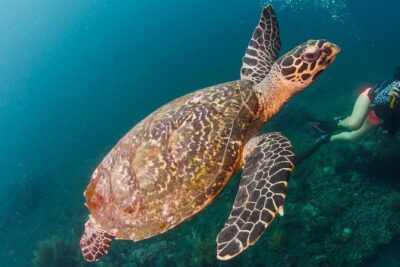
Bali Diving for Beginners: Tulamben Liberty Wreck
Read our review →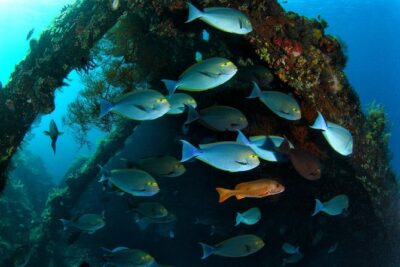
Discover Scuba Diving in Tulamben – Diving Initiation in Bali best diving sites
Read our review →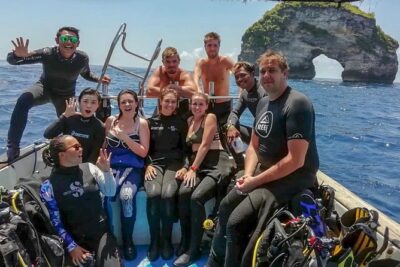
Tulamben Diving USS Liberty Shipwreck Scuba Dive
Read our review →
Bali Diving Day Trip-Manta Point/Tulamben Shipwreck-Fun Dive
Read our review →
5 Fun Dives in Tulamben (for certified divers) – Discover famous diving sites
Read our review →
USS Liberty Shipwreck Scuba Diving at Tulamben Bali
Read our review →Browse the lists this tour appears in