
Reviewed · RICE TERRACE TOURS
Full Day Tour to Water Temples UNESCO Rice Terraces in Bali
Bali’s green heart is a long way from the beach. This eight-hour private tour from Ubud links four memorable places: the huge Jatiluwih rice terraces, peaceful Batukaru Temple, photo-friendly Handara Gate, and the floating shrines of Ulun Danu Beratan. I like the way it connects scenery with Balinese Hindu traditions, and I like having a private air-conditioned car for a day that includes plenty of road time. The main catch is that entrance fees and lunch are extra, adding roughly $25 for admissions before you even sit down to eat.
You get door-to-door transport, bottled water, fuel, parking, and a driver-guide for $42 per person. That is good value for a private day, especially if you are traveling with two or more people. Still, the four one-hour stops leave little room for wandering, and the tour is more of a well-planned overview than a slow, quiet day in the countryside.
In This Review
- Key points to know before booking
- Why the subak system makes this more than a scenic drive
- Jatiluwih’s 600 hectares of rice terraces
- Luhur Batukaru Temple at the mountain foot
- Handara Iconic Gate and the reality of a photo stop
- Ulun Danu Beratan and its floating temple view
- What the private vehicle adds to an eight-hour day
- Is $42 per person good value?
- The pace, timing, and small drawbacks
- Who should book this Bali day tour?
- Should you book the Jatiluwih and water-temple route?
- FAQ
- How long is the tour?
- Is this a private tour?
- Is pickup available?
- What is the price?
- Are entrance fees included?
- Is lunch included?
- Which places does the tour visit?
- Is transportation air-conditioned?
- Is bottled water provided?
- Can I cancel for a full refund?
Key points to know before booking
- Jatiluwih covers more than 600 hectares: This is Bali’s grandest rice-growing area, with terraces shaped by the slopes of the Batukaru range.
- The subak system gives the scenery meaning: You are seeing a working irrigation tradition tied to farming, community life, and Hindu belief.
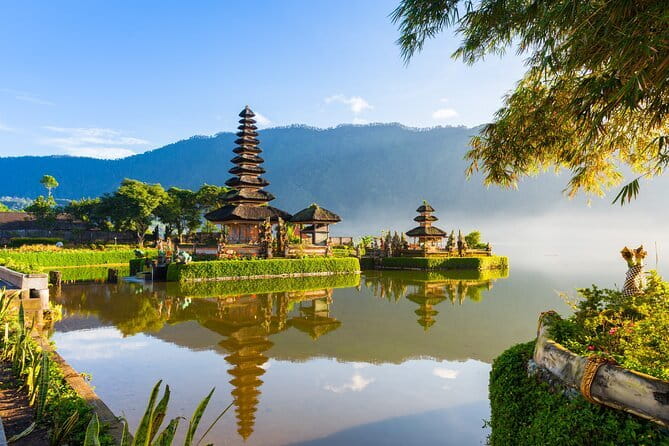
- Ulun Danu Beratan appears to float on the lake: Its mountain setting and water shrines make it the visual high point for many people.
- Batukaru Temple offers the calmest stop: Set at the foot of Bali’s second-highest mountain, it feels quieter and more reflective than a photo stop.
- Handara Gate is mainly about the picture: The gate is striking, but this one-hour visit is less about temple history and more about a famous Balinese backdrop.
- The $42 price does not cover admissions or lunch: Plan for about $25 in entrance fees, plus your meal and a tip if your guide has served you well.
Why the subak system makes this more than a scenic drive
Bali’s rice terraces are not just pretty fields carved into hillsides. They are part of the traditional subak irrigation system, which UNESCO recognizes as World Heritage. Water, farming, temple rituals, and village cooperation are all linked through this system.
That context matters. Without it, Jatiluwih can look like a giant green staircase made for photographs. With it, you begin to see the fields as a living system managed around shared water and religious practice. Your driver-guide is meant to explain that connection as you move between the temples and farmland.
This is one reason I prefer this route to a simple countryside photo tour. The stops have a common thread: water supports the rice, water appears in temple worship, and the mountain environment shapes daily life. You are not just collecting four unrelated sights.
The day is private, so only your group participates. That gives you more control than a large coach excursion, though the supplied schedule still follows a fairly firm rhythm of about one hour at each stop. The remaining time is spent driving, which is important to remember when you see the phrase full day.
More Temple Tours in Ubud
- Ubud: Monkey Forest, Jungle Swing, Rice Terrace, and Water Temple
★ 5.0 · 7,160 reviews - Full-Day Tour to Water Temples and UNESCO Rice Terraces in Bali
★ 5.0 · 2,539 reviews - Bali Instagram: Gate of Heaven Temple Tour
★ 5.0 · 737 reviews
Jatiluwih’s 600 hectares of rice terraces
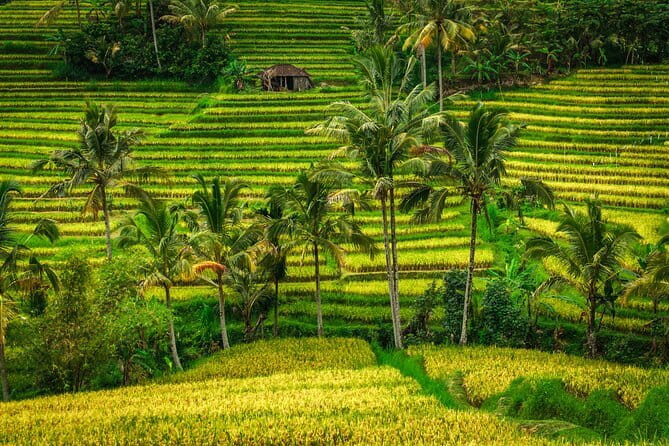
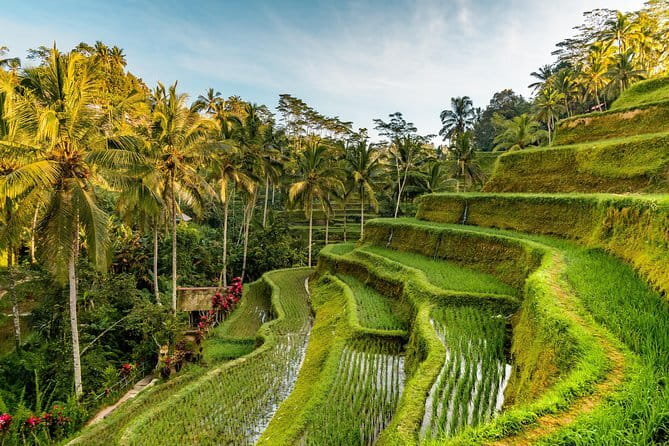
Jatiluwih is the biggest and most expansive stop on the route. More than 600 hectares of rice fields follow the slopes of the Batukaru mountain range, forming broad bands across the hills rather than a single small viewpoint.
I like this stop because it gives you scale. Many Bali rice-field visits last only long enough for a photograph beside a narrow path. Jatiluwih gives you a much larger view of how farming follows the natural shape of the land. The terraces rise and curve with the hillside, and the result feels open rather than tightly packed.
You have about one hour here. That is enough to take in the main views and get a sense of the irrigation system, but it is not a full hiking visit. If you want a long walk through the fields, this schedule may feel rushed. The tour description does not promise a specific walking route, so expect your driver-guide to shape the stop around the available time.
Admission is not included. You should also be ready for changing conditions in the mountain area, since the rice terraces are an outdoor stop. The tour provides bottled water, but bring sensible footwear and sun or rain protection from your own day bag.
The best reason to spend part of your Bali day here is that Jatiluwih feels like a working agricultural area, not simply a decorative garden. Ask your guide to explain how the water moves through the fields and how farming connects with temple life. One especially praised guide, Awan, was noted for explaining both the terraces and the spiritual side of the route in detail. If he is assigned to your tour, make good use of that time by asking questions rather than rushing straight to photographs.
Luhur Batukaru Temple at the mountain foot
After Jatiluwih, the drive to Luhur Batukaru Temple takes about 40 to 50 minutes through green hills. This is useful to know when planning your expectations. You will not spend the whole day walking from one sight to the next. The road links the places, and the changing views become part of the experience.
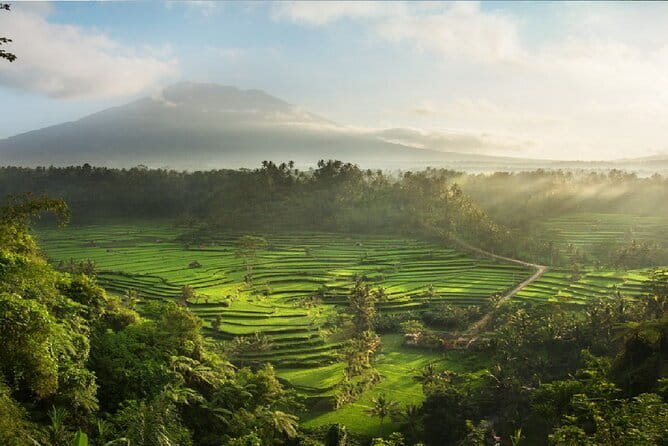
Batukaru Temple sits at the foot of Mount Batukaru, Bali’s second-highest mountain. The temple dates to the 11th century and is dedicated to the spiritual life of the area. Compared with Handara Gate, this is the stop where you should slow down and pay attention to the setting and religious purpose.
You get about an hour at the temple, with admission extra. The information provided does not specify dress-rental arrangements, ceremony schedules, or a particular walking route, so do not assume those services are included. Ask your guide about appropriate temple behavior before entering.
I see Batukaru as the emotional counterweight to Jatiluwih. The rice terraces show how people use water and soil. Batukaru shows how those same natural forces fit into Balinese religious life. The mountain foothills give it a calm setting, and the stop is described as serene for good reason.
A private guide can add real value here. A temple can be easy to admire without understanding, especially if you are moving quickly. A guide who explains the history and spiritual role of the site helps you look beyond gates, shrines, and stone walls.
Handara Iconic Gate and the reality of a photo stop
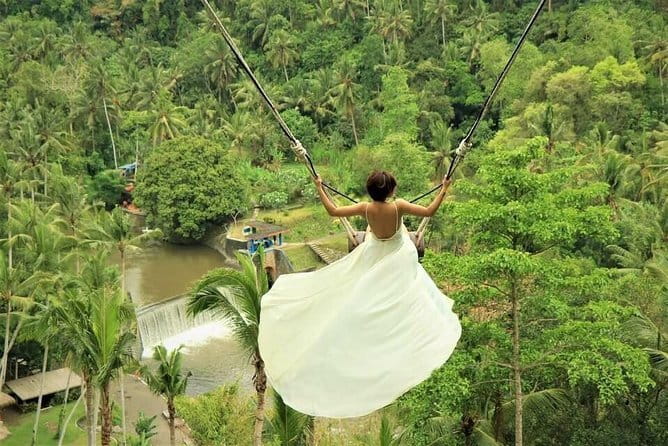
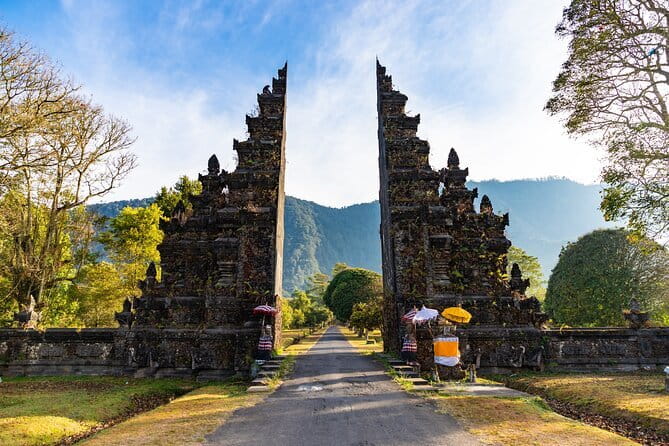
Handara Gate is the most straightforward stop on the day. You go there to take a picture in front of a large traditional Balinese gate with green scenery behind it.
The gate has become famous because its shape frames the view so neatly. It makes an easy holiday photograph, and you will not need much time to understand what the stop is about. The scheduled hour allows time for photographs and for taking in the surrounding view.
I would keep your expectations clear. Handara is not presented as one of the route’s main temples, and the information supplied focuses on the gate as a backdrop. If you want history, farming, or religious context, Jatiluwih and Batukaru offer more substance. If you want a recognizable Bali image, Handara does the job.
Admission is not included, so this short photo visit adds to your day’s entrance costs. That may feel less worthwhile if you are not interested in posed photographs or social media images. On the other hand, the stop breaks up the longer drive and gives you a lighter, more playful moment between the more serious cultural sites.
More rice terrace tours:
- Ubud: Downhill Cycling with Volcano, Rice Terraces and Meal
★ 5.0 · 536 reviews - Ubud eBikes Tour to Tegallalang Rice Terrace
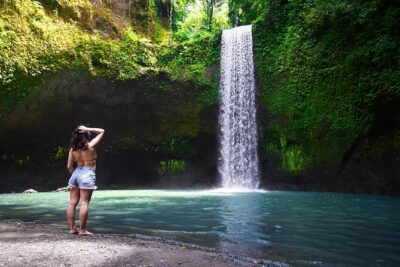
★ 5.0 · 507 reviews - Ubud Top Attractions: Waterfalls, Temples and Rice Terraces
★ 5.0 · 460 reviews - Private Full-Day Tour: Balinese Temples and Rice Terraces
★ 5.0 · 246 reviews
Ulun Danu Beratan and its floating temple view
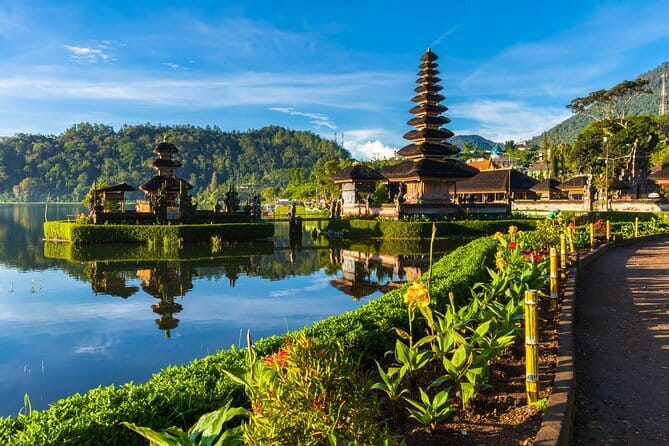
Ulun Danu Beratan is the final listed stop and one of Bali’s most recognizable temple settings. The complex sits on the shores of Lake Bratan in the mountain area near Bedugul. Some of its shrines appear to float on the water, which explains the strong visual appeal.
This is a major Shaivite temple, so it is not simply a scenic pavilion placed beside a lake. Its position shows how closely Balinese worship is tied to water and mountain environments. After seeing the irrigation system at Jatiluwih, you have a useful frame for understanding why a lakeside temple matters.
The visit lasts about one hour, and entrance is extra. The time is enough for the main views and photographs, but not for an unhurried exploration of every part of the complex. The lake and mountain setting can also change the feel of the stop from moment to moment, so allow your guide to point out the best available views rather than expecting one fixed postcard scene.
Ulun Danu is likely to be the most visually polished stop. That is not a criticism. It offers a clear, memorable image of Bali, while Batukaru provides a quieter temple experience and Jatiluwih supplies the broadest countryside views. Together, the three give you different sides of the island’s religious and agricultural identity.
What the private vehicle adds to an eight-hour day
The private arrangement is one of the strongest practical features. You travel only with your own group in an air-conditioned vehicle, with fuel and parking covered. There is no need to wait for a large group at every stop or listen to a guide explain everything to a busload of strangers.
For a route with substantial travel time, that privacy matters. You can use the road sections to rest, ask questions, or adjust the pace within the limits of the schedule. It also makes the tour a better match for families, couples, and small groups who want a simple day outside Ubud without arranging several separate rides.
The tour provides pickup, though the exact pickup area is not specified in the information provided. Confirm the pickup details when booking. The trip is described as a private activity, and most people can participate, but the schedule includes outdoor areas, temple grounds, and time getting in and out of a vehicle.
The driver-guide role is important. This is not described as a large formal lecture tour. Much of the value comes from having someone explain the subak system, temple customs, and local history while taking care of the driving. The strongest feedback specifically praised Awan for his explanations and photography help, so a guide who combines cultural explanation with practical assistance can make the day much better.
Is $42 per person good value?
At $42 per person, this is a strong price for private transportation covering four major stops. You receive an air-conditioned vehicle, bottled water, private transport, fuel, parking, and pickup service. If you split the day with a companion or a small group, the cost compares well with hiring transport separately.
The important qualification is the list of extras. Entrance fees are not included and are estimated at about $25. Lunch is also separate, as is guide tipping. WiFi on board is not included either, though that will matter only if you expect internet during the drive.
Once you add admissions and food, the final cost will be higher than the headline price. Even so, the package can remain worthwhile because the route covers distant sights and avoids the work of arranging a private driver, fuel, and parking on your own.
Group discounts are offered, but no discount amount is stated. Ask for the current group rate if you are booking for several people. Also ask how the entrance fees will be handled so you know the full day’s likely cost before departure.
The pace, timing, and small drawbacks
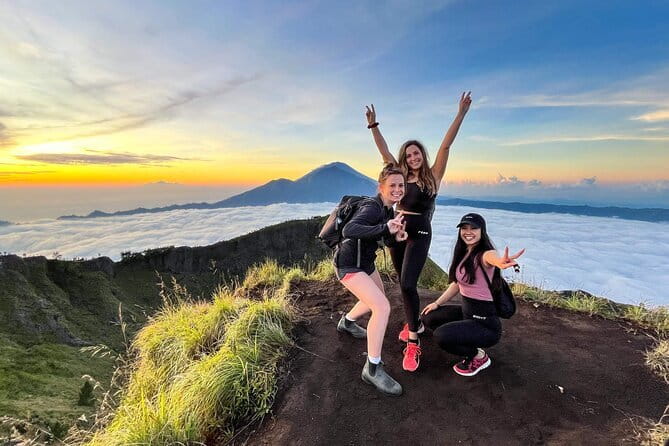
The advertised duration is about eight hours, but that includes travel between locations. Each listed stop receives roughly one hour, while the drives fill the rest. This is a sensible structure for seeing four places in one day, but it is not ideal if you like to linger.
The route also depends on road conditions and the distance between Ubud and the mountain sites. The schedule does not provide a detailed pickup time or exact drive time for every section, so confirm the day’s timing with the operator. Starting early may help you use the available daylight, but an exact early departure is not stated as part of the package.
Lunch is not included. You may be able to arrange a meal during the day, but the supplied information does not name a restaurant or promise a particular dining stop. An upgrade is available that adds entrance tickets and restaurant lunch, which may be useful if you prefer one clear package price.
The tour offers free cancellation up to 24 hours before the start time. Changes or cancellations inside that window are not accepted for a refund, and the cutoff follows local time. Since the tour is commonly booked around 17 days in advance, reserve early if your Bali dates are fixed, then keep the cancellation deadline in mind.
Who should book this Bali day tour?
I would choose this tour if you are staying in Ubud and want to see the central mountain area without planning a complicated day of transport. It suits first-time visitors who want a mix of temples, farming, mountain scenery, and one classic photograph.
It also works well for couples, families, and small groups who value a private car. The air-conditioning, bottled water, and door-to-door format make the long route easier, while the guide can give the sights a clearer purpose than a self-guided drive.
You may want another option if your priority is a long rice-field walk, a slow temple visit, or a food-focused day. The one-hour stops and travel time create a broad sampler. You see a lot, but you do not spend half a day at one place.
The tour has a high overall rating from a small number of submitted ratings, including strong praise for the cultural explanations, rice-terrace information, and photography help. That praise points to the guide as a major part of the value, not just the vehicle or the stops.
Should you book the Jatiluwih and water-temple route?
Book it if you want a private, efficient day that explains how Bali’s rice farming, water, mountains, and Hindu temples fit together. Jatiluwih and Batukaru provide the most cultural substance, while Ulun Danu supplies the memorable lake setting and Handara gives you the quick classic photo.
I would budget for the extra admissions and lunch from the start, and I would accept that about half the day may be spent on the road. If that tradeoff sounds fair, $42 per person is a sensible starting price for a private route from Ubud.
If you prefer a very slow pace, ask about the timing before you book. If you want a well-rounded first look at Bali’s inland culture and scenery, this is a practical choice, especially when a guide such as Awan is available to explain what you are seeing.
FAQ
How long is the tour?
The tour lasts approximately eight hours. That total includes the time spent traveling between the four stops.
Is this a private tour?
Yes. Only your group participates, and private transportation is provided.
Is pickup available?
Yes, pickup is offered. The exact pickup details are not specified, so confirm the location and timing when booking.
What is the price?
The listed price is $42 per person. Group discounts are offered, although the discount amount is not stated.
Are entrance fees included?
No. Entrance fees are separate and are estimated at approximately $25.
Is lunch included?
No. Lunch is not included in the standard tour. An upgrade can add restaurant lunch and entrance tickets.
Which places does the tour visit?
The route visits Jatiluwih Rice Terraces, Luhur Batukaru Temple, Handara Iconic Gate, and Ulun Danu Bratan Temple.
Is transportation air-conditioned?
Yes. The tour includes an air-conditioned vehicle, private transportation, fuel, and parking fees.
Is bottled water provided?
Yes. Bottled water is included.
Can I cancel for a full refund?
Yes, if you cancel at least 24 hours before the experience start time. Cancellations or changes made less than 24 hours before the start time are not accepted for a refund.
Just added around Ubud
- Mount Batur Sunrise Jeep Tour with Optional Activities★ 5.0 · 4 reviews
- Private Car PadangBai from/to Kuta/Seminyak/Canggu/Jimbaran/Ubud★ 5.0 · 4 reviews
- Blue Lagoon Snorkeling Kanto Lampo and Tegenungan Waterfall Tour★ 4.0 · 4 reviews
- Ubud Water Purification Ceremony★ 5.0 · 4 reviews
- 3Hrs Intermediate Canyoning in North Bali (Pickup, Lunch & GoPro)★ 5.0 · 4 reviews
- Bali: Water Purification at Pura Mengening★ 5.0 · 4 reviews
- Bali Tour: Cepung Waterfall, Penglipuran Village, & Mt Batur View★ 5.0 · 4 reviews
- Bali Amazing Cycling Tour★ 5.0 · 4 reviews
Rice Terrace Tours, compared.
Monkey Forest, Jungle Swing, Rice Terrace, and Water Temple
Read our review →
Full-Day Tour to Water Temples and UNESCO Rice Terraces in Bali
Read our review →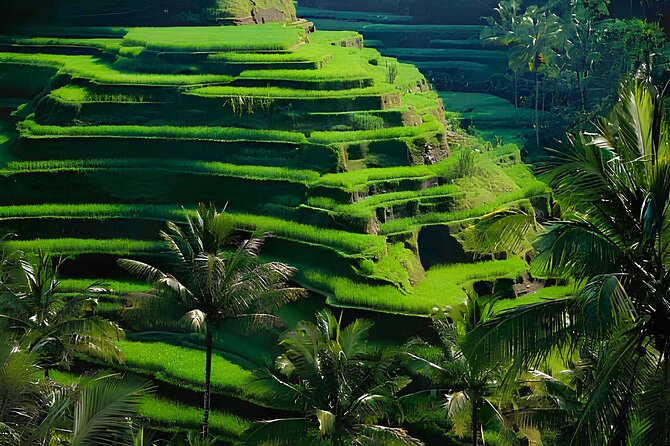
Monkey Forest, Water Temple, Rice Terrace, Waterfall
Read our review →
Downhill Cycling with Volcano, Rice Terraces and Meal
Read our review →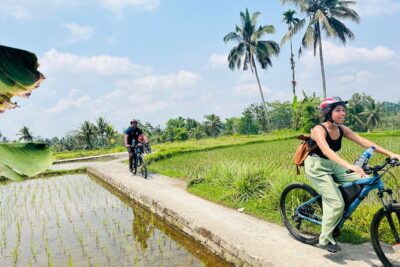
Ubud Top Attractions: Waterfalls, Temples and Rice Terraces
Read our review →Ubud Tour With Sacred Monkey Forest Sanctuary – Waterfall – Rice Terrace
Read our review →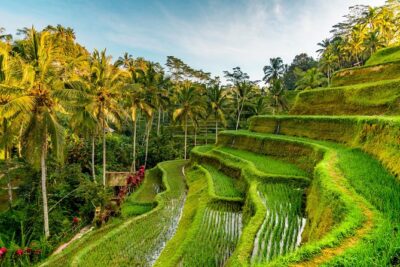
Tanah Lot Tour with Ubud Monkey Forest, Rice Terraces, and Waterfalls
Read our review →Browse the lists this tour appears in