Reviewed · KUTA TOURS
Discover Balinese Mystic & Death Ritual in Bali
Some Bali traditions live far from the beach. This private day tour reaches Trunyan Cemetery, Bayung Gede, Kintamani, Kehen Temple, and Penglipuran Bamboo Forest, giving you a look at customs that feel very different from the island’s resort areas. I like the rare access to traditional villages and the chance to hear cultural explanations from local guides such as Mertha and Ah Gung. I also like that the tour is private, so you can adjust the pace and ask questions without being part of a large group.
The main drawback is the amount of time spent getting there. From Lovina, the trip can involve about three hours by car on narrow, winding mountain roads, followed by a roughly 30-minute boat ride each way. The sights are unusual and worthwhile for the right person, but this is a long day, not a quick cultural stop.
In This Review
- Key points to know before booking
- Why this cultural tour is different from a standard Bali day trip
- Trunyan Cemetery and the journey across the lake
- Bayung Gede and the hanging placentas
- Kintamani Plateau and Mount Batur
- Kehen Temple and the famous steps of heaven
- Penglipuran Bamboo Forest and an old village system
- What the $81.80 price includes
- Private transport, timing, and comfort
- Who will enjoy this day most
- Should you book this Trunyan and Bayung Gede tour?
- FAQ
- How long does the tour last?
- Is hotel pickup offered?
- Is this a private tour?
- Is the speedboat ride included?
- Is lunch included?
- What happens at Trunyan Cemetery?
- What is unusual about Bayung Gede?
- What can you see at Kintamani?
- Can I cancel for a full refund?
Key points to know before booking
- Trunyan uses bamboo cages instead of cremation: The village follows a distinctive death ritual after the body has been cleansed.
- Bayung Gede displays hanging newborn placentas: This ancient custom is one of the tour’s most unusual sights.
- A speedboat is part of the route: You need to allow extra time for the boat crossing to Trunyan.
- The tour is private and adjustable: Only your group participates, and the schedule can be tailored to your needs.
- Kintamani adds a classic mountain view: You stop to see Mount Batur and Lake Batur from the highlands.
- Lunch is not included: Bring money for a meal and personal purchases.
Why this cultural tour is different from a standard Bali day trip
Many Bali excursions focus on temples, rice fields, beaches, or sunset views. This one takes a more serious path. It looks at birth customs, death practices, village rules, priestly traditions, and local healing. That makes the experience more demanding, but also more revealing.
The most striking feature is the contrast between the stops. At Trunyan, you learn how a community handles death. At Bayung Gede, you see a custom connected with newborn life. Kehen Temple brings in Balinese Hindu worship, while Penglipuran shows how village design and social order shape daily life.
I would not book this tour simply because the word mystical sounds appealing. You should be ready for unfamiliar religious practices and a cemetery visit. The tour is best approached with respect and curiosity, not as a collection of shocking photo opportunities.
The private format helps. You can ask your guide to explain terms, customs, and the meaning behind what you see. Ah Gung is praised for patiently explaining the practices of the local people, while Mertha is described as friendly, helpful, and well informed about the places on the route.
A few more Kuta trips worth weighing up
- Nusa Penida day trip: boat, 4 snorkeling, Manta rays & Land tour
★ 5.0 · 2,033 reviews - Bali Nusa Penida West Private All-Inclusive Tour
★ 5.0 · 1,277 reviews - Mount Batur Sunrise Trekking Private Tour with Breakfast and Hotel Transfer
★ 5.0 · 885 reviews
Trunyan Cemetery and the journey across the lake
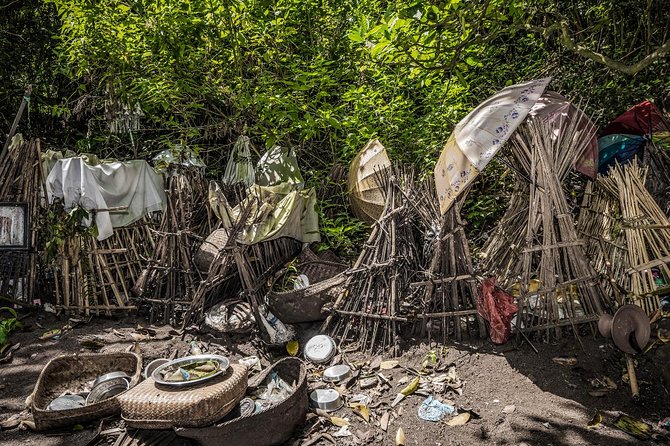
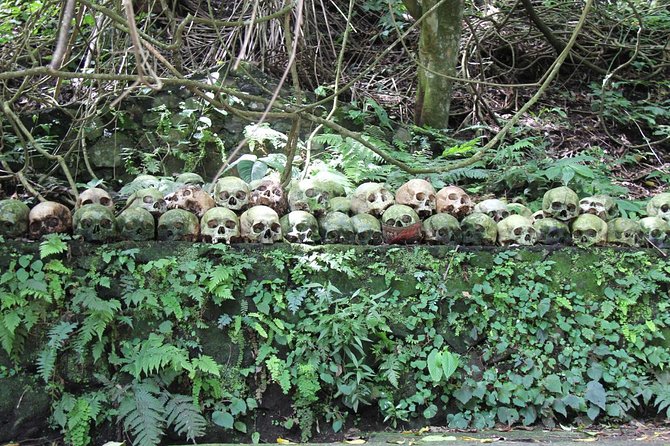
Trunyan is the emotional center of the day. The people of this village follow a death custom that differs sharply from the cremation practices often associated with Bali. After a cleansing ritual, the body is placed inside a bamboo cage at the cemetery.
That practice is not presented as a quick sightseeing oddity. It is part of the village’s religious and social life, and your guide’s explanation matters greatly. Without context, the cemetery could seem merely strange. With a careful explanation, you can begin to understand why the custom has remained important to the Trunyanese.
The route itself requires patience. The drive from Lovina can take around three hours, with narrow and winding mountain roads. You then continue by speedboat for about 30 minutes before reaching the lake area near the destination. The return journey adds the same travel time, so your day may feel long before the other stops are even counted.
If you are prone to motion sickness, plan carefully. The supplied information specifically describes the road as windy, narrow, and slow, and one person was unable to continue because of the travel involved. The tour includes an air-conditioned vehicle, fuel costs, parking, bottled water, and the speedboat, but comfort on the mountain road will still depend on how well you handle winding routes.
The boat ride is part of what makes Trunyan feel removed from the usual Bali circuit. It also means you should not think of this as a simple roadside attraction. The cemetery takes about an hour, but reaching it requires a serious commitment of time.
Bayung Gede and the hanging placentas
Bayung Gede is another ancient village, described as the parent of Bali’s old villages. Its best-known custom involves newborn placentas, which are hung in a designated area after birth.
This is one of the tour’s most unusual details, and it gives the day a useful balance. Trunyan deals with death, while Bayung Gede offers a window into beliefs surrounding birth and early life. The two stops help you see that Balinese tradition is not limited to temple ceremonies. It can also shape private family rituals and the way a community treats important stages of life.
You spend about an hour in Bayung Gede. Admission is free, which is a small but useful detail when considering the total value of the tour. The village is not simply a backdrop for photographs. Listen closely to the explanation, since the custom may be difficult to understand without local context.
I would advise you to read about the topic before the tour. One person who enjoyed the experience still suggested doing research in advance, especially if you are unfamiliar with traditional birth and death practices. A little preparation helps you respond thoughtfully instead of treating the customs as a spectacle.
Kintamani Plateau and Mount Batur
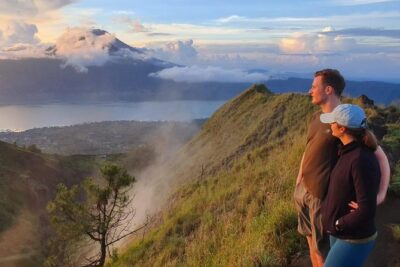
The Kintamani stop gives you a change of pace after the more intense village visits. From the highland area, you stop for views of Mount Batur and Lake Batur. The visit lasts about 30 minutes and admission is included.
Do not expect a long hike or a full volcano excursion here. This is a scenic pause, useful for taking in the scale of the volcanic area and breaking up the driving. The short stop may feel brief if you want extended photography time, but it fits the wider purpose of the tour.
Kintamani also helps connect the villages with the physical setting of central Bali. The route is not only about isolated customs. Mountain roads, lake crossings, temples, and old settlements all form part of the experience. The highland view gives you a moment to reset before the temple and village visits continue.
A completely different kind of day out in Kuta:
- Individual Bali Day Trip with Private Driver and Free WiFi
★ 5.0 · 755 reviews - Waterbom Bali Tickets – Single Day Pass
★ 4.5 · 620 reviews - Private Tour Mount Batur Sunrise Trekking and Natural Hot Spring
★ 5.0 · 431 reviews - Best bali transport service – custom your own itinerary
★ 5.0 · 363 reviews
Kehen Temple and the famous steps of heaven
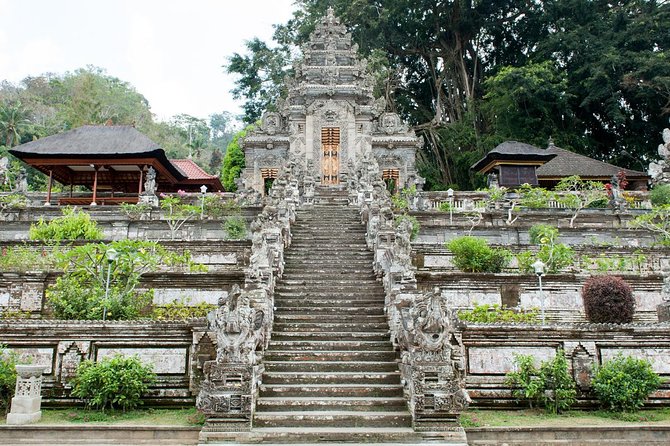
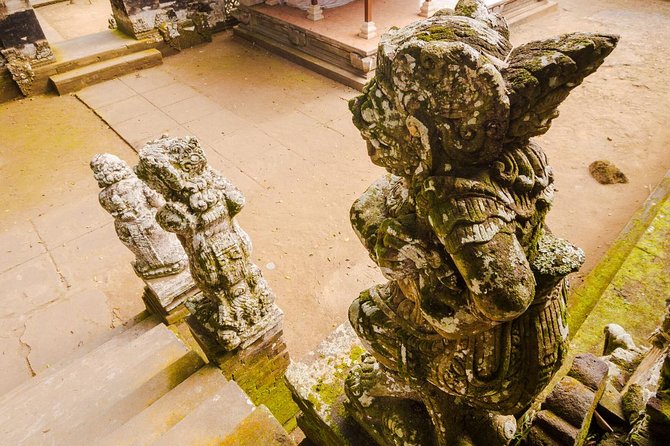
Kehen Temple is the main temple stop on the later part of the route. You spend about an hour here, with admission included. Its best-known feature is the famous steps of heaven, which give the approach a strong visual character.
The tour description does not promise a full religious ceremony or a special event at the temple, so keep your expectations reasonable. You are visiting an important temple site and seeing its architecture and steps, while your guide explains what you are looking at.
This stop may appeal most if you enjoy seeing how Balinese religious life is expressed through buildings, entrances, and sacred spaces. After the direct look at birth and death rituals, Kehen adds a broader setting for understanding Balinese belief.
As with any temple visit, dress and behavior should be respectful. The supplied details do not list a formal dress code, so ask your guide what is appropriate on the day. The private format makes that easy, since you can get a direct answer rather than trying to follow a large group.
Penglipuran Bamboo Forest and an old village system
The final listed stop is Penglipuran Bamboo Forest, visited for about an hour. The tour also describes Penglipuran as an old village with distinctive architecture, social organization, and beliefs.
This is more than a forest photo stop. The appeal lies in how the village works as a community. Its layout and building styles reflect rules and customs that differ from modern resort Bali. If you want to see how local traditions influence physical space, this stop offers a useful example.
The bamboo setting gives the visit a calmer tone after the long road to Trunyan and the serious subjects earlier in the day. Still, the exact balance between the forest, village architecture, and cultural explanation may depend on your guide and the time available.
I would ask your guide to explain the village’s social system rather than rushing through for photographs. The architecture is easy to see, but the reasons behind it are what give the visit lasting value.
What the $81.80 price includes
At about $81.80 per person, this tour is not priced like a basic temple transfer. The cost includes a private, air-conditioned vehicle, fuel surcharge, parking fees, bottled water, admission and donation fees, and the speedboat ride.
That package matters because the remote Trunyan visit involves more than ordinary road transport. You are paying for a full-day route that combines a driver, private transport, boat travel, and several included entry costs. If your group values flexibility and cultural explanation, the price can be fair.
Lunch is extra, and other personal expenses are not covered. Plan for that before leaving. The tour lasts roughly eight to ten hours, so lunch is not a minor detail. You should also budget for any drinks, snacks, or purchases beyond the bottled water provided.
The value drops if you dislike long drives or mainly want scenic highlights. A substantial part of your day is spent reaching Trunyan and returning from it. The price makes more sense for someone who specifically wants the unusual cultural content and the convenience of private transport.
Private transport, timing, and comfort
The private arrangement is one of the tour’s strongest practical features. Only your group participates, and the schedule can be customized. That gives you more room to ask questions, spend extra time at a meaningful stop, or adjust the pace when possible.
The eight to ten hour duration is an estimate, not a guarantee of a short day. Road conditions, the mountain route, the boat crossing, and the number of questions you ask can all affect the timing. If you have an evening flight, another fixed booking, or a strict dinner plan, leave plenty of space.
Pickup is offered, and the vehicle is air-conditioned. Bottled water is included. These details are especially useful on a long route, though they do not remove the physical demands of a winding mountain journey.
The operator advises that the experience is not recommended for women during their menstrual period. That restriction is part of the provider’s stated guidance, so check the current policy and decide if the tour fits your circumstances before booking.
Who will enjoy this day most
I would choose this tour if you have already seen Bali’s major temples and want something less familiar. It suits people who enjoy local customs, religious traditions, old village systems, and conversations with guides.
It is also a good match for visitors who prefer private tours. You are not tied to a large group, and you can ask for more explanation about the practices at Trunyan or Bayung Gede. The praise directed at Mertha and Ah Gung suggests that the guide can make a major difference, especially when the subject matter is unfamiliar.
I would think twice if you dislike boats, winding roads, cemeteries, or long days in a vehicle. The Trunyan portion is not a casual add-on. From Lovina, the road and boat trip can take several hours each way, and one person found the journey too difficult to continue.
This is also not the best choice if you want a relaxed beach day with a few quick cultural stops. The day asks for attention and an open mind. Its reward is access to customs that you are unlikely to encounter on a standard Bali sightseeing route.
Should you book this Trunyan and Bayung Gede tour?
Book it if your main goal is to understand unusual Balinese traditions and you are willing to spend much of the day on the road. Trunyan’s bamboo-cage burial practice, Bayung Gede’s hanging placentas, and the private access to local explanations make this a rare cultural experience.
Skip it if travel discomfort is a serious concern or if your interest ends with temples and scenery. The route is long, the subject matter can be confronting, and lunch costs extra.
For the right person, the tour offers something far more lasting than another quick viewpoint. Prepare by reading about the customs, carry money for food, and tell yourself that the road is part of the price of reaching places most Bali itineraries leave out.
FAQ
How long does the tour last?
The tour lasts approximately eight to ten hours.
Is hotel pickup offered?
Yes. Pickup is offered as part of the experience.
Is this a private tour?
Yes. Only your group participates, and the tour can be customized to suit your needs.
Is the speedboat ride included?
Yes. The speedboat is included in the tour price.
Is lunch included?
No. Lunch costs extra, and other personal expenses are also not included.
What happens at Trunyan Cemetery?
The Trunyanese do not cremate their dead. After a cleansing ritual, the body is placed in a bamboo cage at the cemetery.
What is unusual about Bayung Gede?
Bayung Gede is known for hanging newborn placentas, a custom associated with the village’s traditional birth practices.
What can you see at Kintamani?
The tour stops at the Kintamani highland area for views of Mount Batur and Lake Batur.
Can I cancel for a full refund?
Yes, if you cancel at least 24 hours before the experience’s local start time. Cancellations made within 24 hours are not refunded, and changes within that period are not accepted.
Just added around Kuta
- Indonesia: Garuda Wisnu Kencana★ 3.5 · 3 reviews
- Bali Full Day Holy Water Tour★ 5.0 · 3 reviews
- ATV Quad Bike and Water Rafting Adventure in Bali★ 5.0 · 3 reviews
- Full Day Kintamani and Penglipuran Village Private Chartered Car Tour from Bali★ 4.5 · 3 reviews
- Bali Full Day Tour – Ubud and Batur Volcano★ 5.0 · 3 reviews
- Romantic Couple Treatment at ANJALI SPA★ 5.0 · 3 reviews
- Seminyak: Spa Treatments at Svaha Spa Seminyak★ 5.0 · 3 reviews
- Thing to do – ATV Quad Bike, River Tubing and Tlaga Singha★ 4.0 · 3 reviews
Kuta Tours, compared.

Nusa Penida day trip: boat, 4 snorkeling, Manta rays & Land tour
Read our review →
Bali Nusa Penida West Private All-Inclusive Tour
Read our review →
Mount Batur Sunrise Trekking Private Tour with Breakfast and Hotel Transfer
Read our review →
Individual Bali Day Trip with Private Driver and Free WiFi
Read our review →
Private Tour Mount Batur Sunrise Trekking and Natural Hot Spring
Read our review →
Best bali transport service – custom your own itinerary
Read our review →