
Reviewed · MONKEY FOREST TOURS
Best of Ubud Tour: Monkey Forest, Rice Terraces & Waterfall
Ancient temples, rice fields, and jungle water make a fine Bali day. This Ubud highlights tour brings together four of the area’s best-known sights with private hotel pickup, an English-speaking local driver, bottled water, parking, and a temple sarong. I like the sensible mix of nature and Balinese culture, and I like having your own vehicle rather than joining a large bus. The main drawback is that admission fees are extra, and eight to ten hours can feel long if you want more time at each stop.
The day can also include a dance performance, artisan villages, coffee plantation, swing, or local lunch, depending on the route you choose. That flexibility is useful, but it also means you should confirm the exact plan before setting out. The itinerary covers plenty of ground, so comfortable shoes and realistic expectations matter more than trying to squeeze in every optional stop.
In This Review
- Key points to know before booking
- What the $25 price really buys you
- Your morning begins with a flexible route
- Sacred Monkey Forest: temples beneath the trees
- Tegalalang Rice Terraces and the Subak system
- Tirta Empul: Balinese water purification
- Ulu Petanu Waterfall and the final cool-down
- Add-ons that may improve or crowd the day
- Transport, comfort, and the pace of the day
- Who will enjoy this Ubud day most
- Should you book the Best of Ubud Tour?
- FAQ
- What is included in the Ubud tour?
- Are entrance tickets included?
- Where is pickup available?
- Can I take part in the Tirta Empul purification ritual?
- What should I bring?
- How long does the tour last, and can I cancel?
Key points to know before booking
- Four major Ubud sights in one day: Visit the Sacred Monkey Forest, Tegalalang Rice Terraces, Tirta Empul Temple, and Ulu Petanu Waterfall.
- Private transport for your group: Hotel pickup and drop-off are included, with an English-speaking local driver acting as your guide.
- Culture is part of the day: Tirta Empul offers an introduction to Balinese purification rituals, with optional participation in Melukat.
- Entrance fees are extra: Monkey Forest, Tegalalang, Tirta Empul, and the waterfall are not included in the tour price.
- Optional stops can change the pace: Add a Barong and Kris dance, artisan village, coffee plantation, swing, or lunch, but check what fits.
- Best for first-time Ubud visitors: You get a broad introduction in one day, though the schedule leaves limited time for slow wandering.
What the $25 price really buys you
At $25 per person, this is priced as an inexpensive way to arrange a full day around Ubud. The value comes mainly from the private vehicle, hotel pickup and drop-off, driver-guide, bottled water, parking, and the convenience of putting several far-flung sights into one route.
That price does not cover entrance tickets. This matters because the advertised cost is not the final amount you will spend. You should also allow for personal purchases, tips, and any optional lunch or add-on activities. The description lists a local lunch as optional, so do not assume food is part of the base price.
A private tour can be especially good value for two or more people sharing the experience. You avoid waiting for a large group and may have some say in the order of stops. Group discounts are offered, although the exact discount is not specified, so ask for the total price before booking.
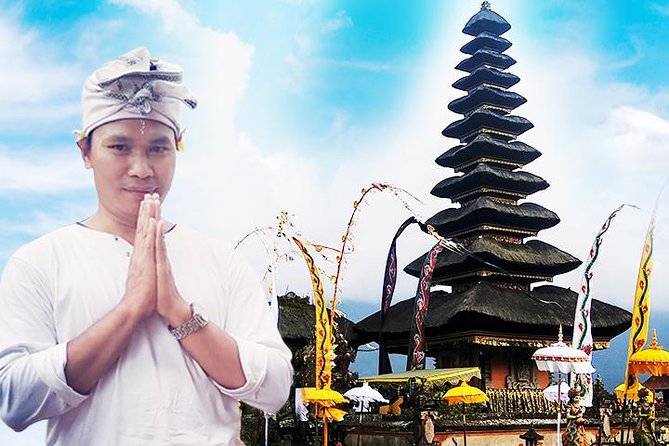
The private format also gives you a little more breathing room than a fixed coach excursion. You can ask questions, play music in the car, and adjust the mood of the day. One particularly warm account of the provider praised a driver named Ketut for his strong English, humor, cultural explanations, and ability to make the day feel personal. Ketut may not be assigned to every departure, so treat the name as a useful detail to request rather than a guarantee.
More Waterfall Tours in Ubud
- Best of Bali Waterfalls: Tibumana, Tukad Cepung and Tegenungan
★ 5.0 · 3,047 reviews - ATV Quad Bike Through Tunnel and Waterfall in Bali
★ 5.0 · 2,098 reviews - ATV Quad Bike Bali with Waterfall Gorilla Cave and Lunch
★ 5.0 · 1,925 reviews
Your morning begins with a flexible route
The listed start time is 9:30 a.m., with pickup available from Ubud. Pickup from Sanur is also possible, though an additional charge applies for areas outside the standard pickup zone. Since the day lasts about eight to ten hours, a 9:30 start usually carries you into the late afternoon or early evening.
The route is not a single rigid program. You can select from several possible combinations, including the Barong and Kris dance, artisan villages, Monkey Forest, Tegalalang, Tirta Empul, and the waterfall. This is the most important point to clarify before the day begins: ask which four or five stops are included and how much time is planned at each one.
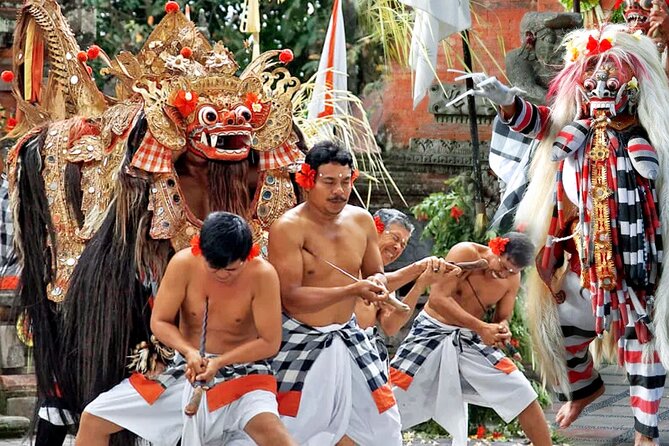
The Barong and Kris dance gives the day a performing arts angle. It is a classical Balinese dance drama based on the story of Calon Arang, a tale of good and evil associated with a 12th-century tradition. The performance can be a useful introduction to Bali’s religious storytelling, though adding it may make the schedule feel tighter.
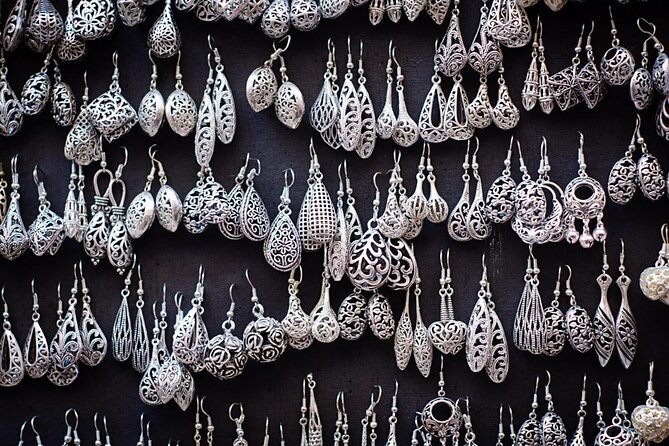
A stop at Celuk Village offers a look at Balinese craft production. The itinerary refers to silver, batik, art painting, and wood carving villages, with about 30 minutes listed for the artisan visit. This is a short stop, best suited to seeing the work and browsing rather than taking a long workshop.
Be aware that artisan visits can sometimes become shopping stops. If you are interested in buying something, compare prices and ask questions. If you are not shopping, say so politely and keep your expectations focused on seeing local craft traditions.
Sacred Monkey Forest: temples beneath the trees
The Sacred Monkey Forest Sanctuary is one of Ubud’s signature sights. You walk through a thick forest with ancient temple structures, a river canyon, a dragon bridge, and monkeys moving through the grounds.
The appeal is easy to understand. The setting combines tropical greenery, stone shrines, and playful animals in a compact area. It is one of the few stops where the atmosphere changes quickly from town roads to a shaded jungle environment.
The planned visit lasts about an hour. That is enough to see the principal paths and temple area, but not enough for an unhurried exploration of every corner. Wear shoes with a good grip, since forest paths may be uneven, and keep your belongings secure around the monkeys.
Do not treat the monkeys as tame pets. They are the main attraction, but they are still animals with their own behavior. Keep your camera, sunglasses, food, and loose items under control, and follow the sanctuary’s instructions.
Admission is not included. Bring cash for entrance fees and personal purchases, as the tour specifically advises you to carry cash. The guide can add useful context about the temple area and the sanctuary’s conservation mission, but your enjoyment will also depend on how comfortable you are around active monkeys.
Tegalalang Rice Terraces and the Subak system
Tegalalang is the classic Bali rice-field stop, with terraces cut into a green valley and viewpoints looking across the stepped fields. The visit is listed at about one hour.
The best reason to come is not simply the view. The terraces reflect the Subak irrigation system, a traditional Balinese approach to managing water and rice cultivation. A local explanation helps you see the fields as a working cultural system rather than just a scenic photo stop.
You will find viewpoints and walking areas, but the exact amount of walking depends on the chosen route. Some visitors may prefer a short look from above, while others will want to follow the paths into the terraces. Ask your driver how far the planned walk goes before you set off.
The stop can also be commercial in feel, with optional swings and places connected to photographs. The swing is not included, and the tour lists it as an add-on. If you want quiet time with the rice fields, tell your guide before adding extra activities.
The terraces are also a good place to use your camera, but bring a hat and sunscreen. There is little benefit in rushing this stop for a single photograph. Give yourself time to understand how the irrigation system supports village life and farming.
More Monkey Forest visits:
- Ubud: Monkey Forest, Jungle Swing, Rice Terrace, and Water Temple
★ 5.0 · 7,160 reviews - Ubud Tour with Monkey Forest Waterfalls Temples and More
★ 5.0 · 495 reviews - Gorilla Cave ATV Bali Ubud, Monkey Forest, Temple, and Lunch
★ 5.0 · 295 reviews - Bali ATV Quad Adventure – Ubud Monkey Forest and Waterfall
★ 5.0 · 261 reviews
Tirta Empul: Balinese water purification
Tirta Empul is the cultural heart of this route. The temple complex dates to about 960 AD, during the Warmadewa Dynasty, and its name refers to the holy spring within the grounds.
Your guide can explain the Balinese water purification ritual known as Melukat. You may optionally take part, but participation is not required to appreciate the temple. If you do join the ritual, approach it with respect. This is a sacred practice, not simply a place to cool off.
The tour provides a sarong for the temple visit, which is helpful. You still need to dress modestly, with shoulders and knees covered. Bring a towel and extra clothes if you plan to enter the water, and wear slippers or footwear that you can manage around wet areas.
The planned visit lasts about an hour. That allows time to see the temple and learn the basic meaning of the spring, though a purification ritual may require additional time depending on the pace and local conditions.
There is also an important temple restriction listed in the tour information: women may not enter the sacred grounds during menstruation. This is a local religious rule that you should know before booking. If it applies to you during the visit, you will need to follow the temple’s guidance.
Tirta Empul is where the tour moves beyond sightseeing. The rice terraces show a living farming system, while this temple introduces a living spiritual practice. Even if you choose not to participate in Melukat, keep your clothing respectful and your behavior quiet.
Ulu Petanu Waterfall and the final cool-down
Ulu Petanu Waterfall is in Manik Sawang, Kedisan, in the Tegallalang area, about 30 minutes north of Ubud. The waterfall is described as roughly 15 meters high, with tropical greenery around the water and a broad pebbly area below.
The planned stop lasts about 40 minutes. You can admire the falling water, walk down toward the pebble base, and possibly swim in the plunge pool. If swimming is part of your plan, pack a towel, slippers, and a change of clothes.
This is the most physically active stop on the route. Getting to the lower area may involve walking on uneven ground, so sensible footwear is more useful than sandals with little support. The tour says most people can participate, but comfort will vary depending on your balance, fitness, and confidence on wet paths.
Forty minutes is enough for a refreshing break, not a long afternoon by the water. If the waterfall is especially important to you, ask whether the schedule can allow extra time. Adding a coffee plantation, swing, dance performance, or artisan village may leave less time here.
The waterfall also gives the day a pleasing change of pace. After temples and viewpoints, you have a chance to cool off in a green setting. Just remember that the waterfall entrance fee is extra.
Add-ons that may improve or crowd the day

The optional stops are attractive, but each one changes the balance of the tour.
A coffee plantation adds a food and agriculture angle. The information supplied does not state the length, tasting details, or extra fee, so confirm these before including it. The provider has also been associated with a day that included a coffee plantation, canyoning, and a Bali swing, suggesting that more active and commercial variations are possible.
A Bali swing is mainly about the experience and photos. It can be fun, but it is not part of the core $25 package. Ask about the price and time involved before agreeing.
The Barong and Kris dance adds cultural depth through performance. It may suit you if you want more than scenery, but a show at the start of the day can make the schedule longer.
Artisan villages, including Celuk, batik, painting, and wood carving stops, are useful if you want to understand Bali’s craft economy or shop for a specific item. They are less appealing if you prefer temples, walking, and nature without retail stops.
A local lunch is also optional. Since the day is long, stopping for food can be practical even if it reduces time at another sight. Ask whether lunch is included in your chosen version and how much time it takes.
Transport, comfort, and the pace of the day

Private transportation is one of the strongest practical features here. You receive hotel pickup and drop-off, parking is covered, and your group travels together with an English-speaking local driver-guide.
The private format is useful for couples, families, and small groups that want to avoid coordinating separate taxis. It also gives you one person to ask about temple etiquette, local customs, and the route.
The trade-off is time on the road. Ubud’s attractions are spread around the area, and a full-day route naturally includes driving between stops. The itinerary gives approximate visit times of one hour at Monkey Forest, one hour at Tegalalang, one hour at Tirta Empul, 40 minutes at the waterfall, and 30 minutes at Celuk if that option is selected. Add travel, lunch, and possible traffic, and you can see why the day reaches eight to ten hours.
Bring a hat, sunscreen, comfortable clothing, a camera or phone, cash, and water. Bottled water is included, but you should still prepare for heat and walking. Modest temple clothing is essential, and extra clothes are wise if you intend to swim.
The tour is private, but group discounts are available. That makes it particularly appealing if several people are traveling together. Solo visitors should compare the per-person price with the total private vehicle cost, since the value improves as more people share the booking.
Who will enjoy this Ubud day most
I would choose this tour if you are visiting Ubud for the first time and want the main sights arranged without spending days working out transport. It gives you nature, temples, farming culture, craft traditions, and the option of a performance or swim.
It also suits you if you prefer a local driver-guide to a large scheduled group. The positive feedback connected with the provider puts strong emphasis on friendly service, clear English, humor, music in the vehicle, and useful local explanations. Those small touches can make a long day much easier.
You may want a different plan if you prefer slow travel. Four major sights plus optional stops is a lot. You will see more of Ubud, but you may not have much time to sit, wander, or return to a favorite place.
This is also not the best choice if your priority is a long temple ritual, extended rice-field walking, or a full waterfall afternoon. The tour gives you an introduction to each place, not a deep visit to one site.
Should you book the Best of Ubud Tour?
Book it if you want a low-cost private day that covers Ubud’s essential sights and includes transport, a driver-guide, water, parking, and a temple sarong. The combination of Monkey Forest, Tegalalang, Tirta Empul, and Ulu Petanu gives you a well-rounded first look at the area.
Before paying, confirm the exact four or five stops, entrance-fee costs, pickup surcharge if you are outside Ubud, and the price of any swing, coffee plantation visit, lunch, or dance performance. I would also request the earliest practical start if you want a calmer pace.
The tour is a good fit for active first-time visitors who value variety. It is less suitable for anyone who wants a quiet, unhurried day. Free cancellation is available up to 24 hours before the start time, so you have some flexibility if your plans change.
FAQ
What is included in the Ubud tour?
Private transportation, hotel pickup and drop-off, an English-speaking local driver-guide, bottled water, a sarong for the temple visit, parking fees, and an optional local lunch stop are included. Personal expenses and gratuities are not included.
Are entrance tickets included?
No. Admission to the Sacred Monkey Forest Sanctuary, Tegalalang Rice Terraces, Tirta Empul Temple, and Ulu Petanu Waterfall is not included in the tour price.
Where is pickup available?
Pickup is available from hotels in Ubud. Pickup from Sanur is possible, but an additional charge applies for areas outside the standard pickup area.
Can I take part in the Tirta Empul purification ritual?
Yes, participation in Melukat is optional. You must dress modestly, and the temple’s rules state that women may not enter the sacred grounds during menstruation.
What should I bring?
Bring cash, comfortable walking shoes, modest clothing, sunscreen, a hat, a camera or smartphone, a towel, slippers, and extra clothes if you plan to swim at the waterfall.
How long does the tour last, and can I cancel?
The experience lasts about eight to ten hours and starts at about 9:30 a.m. You can cancel at least 24 hours before the start time for a full refund. Changes or cancellations made less than 24 hours before the start time are not accepted.
More Rice Terrace Tours
- Full-Day Tour to Water Temples and UNESCO Rice Terraces in Bali
★ 5.0 · 2,539 reviews - Ubud: Downhill Cycling with Volcano, Rice Terraces and Meal
★ 5.0 · 536 reviews - Ubud eBikes Tour to Tegallalang Rice Terrace
★ 5.0 · 507 reviews - Ubud Top Attractions: Waterfalls, Temples and Rice Terraces
★ 5.0 · 460 reviews
Just added around Ubud
- Scooter Lesson in Ubud★ 5.0 · 3 reviews
- Heaven Gate, Tirtagangga and Tukad Cepung Waterfall – All Inclusive★ 5.0 · 3 reviews
- Best Bali Ayung River Rafting with Lunch★ 5.0 · 3 reviews
- Full day Bali Adventure with Quad Bike and River Tubing★ 5.0 · 3 reviews
- Skip-the-Line: Ubud Tour – All Inclusive Tickets★ 5.0 · 3 reviews
- Bali Tunnel Quad Bike ATV by KUBER ADVENTURE in Ubud★ 3.5 · 3 reviews
- Bali Ayung River Rafting and Bali Spa Packages★ 5.0 · 3 reviews
- Mount Batur Sunrise Trek with Natural Hot Spring – All Inclusive★ 5.0 · 3 reviews
Monkey Forest Tours, compared.
Monkey Forest, Jungle Swing, Rice Terrace, and Water Temple
Read our review →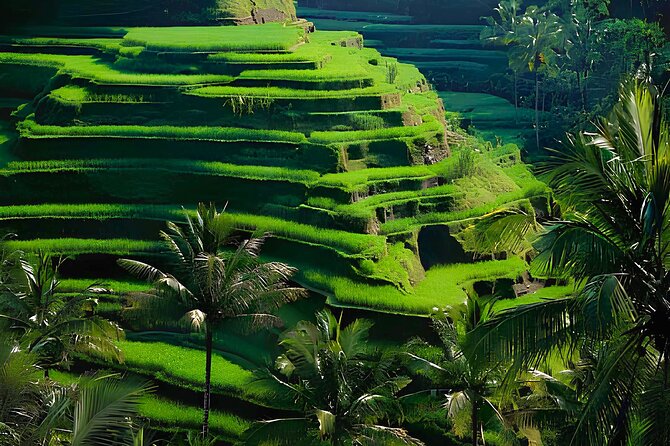
Monkey Forest, Water Temple, Rice Terrace, Waterfall
Read our review →
Ubud Tour with Monkey Forest Waterfalls Temples and More
Read our review →Ubud Tour With Sacred Monkey Forest Sanctuary – Waterfall – Rice Terrace
Read our review →
Gorilla Cave ATV Bali Ubud, Monkey Forest, Temple, and Lunch
Read our review →
Tanah Lot Tour with Ubud Monkey Forest, Rice Terraces, and Waterfalls
Read our review →
Bali ATV Quad Adventure – Ubud Monkey Forest and Waterfall
Read our review →
Ubud Monkey Forest Silver Class – Craft Your Own Silver Jewelry
Read our review →Browse the lists this tour appears in