Reviewed · UBUD TOURS
Bali Traditional Village Experience
Village life begins with an offering.
This private Taro village experience gives you a close look at everyday Balinese Hindu life, not just a quick photo stop. I like the family-compound visit and the chance to make Canang Sari offerings yourself. I also like that private transfers from your Ubud-area address are included. The main drawback is that the listed experience lasts about two hours, so the half-day wording may set your expectations too high.
You will visit a traditional family compound, enjoy tea and Balinese cookies, then go to a sacred water temple for a blessing. I find the combination of hands-on activity and religious ceremony more meaningful than a standard sightseeing tour. You should also budget a small cash donation or entrance fee for the holy water site, since that cost is not included.
In This Review
- Key points to know before you book
- Why Taro feels different from central Ubud
- Inside the traditional family compound
- Making Canang Sari offerings by hand
- Receiving a blessing at the holy water site
- What the two-hour timing means
- The value of the $35 price
- Who will enjoy this Taro village visit
- Practical tips for a smoother visit
- Booking and cancellation details
- Should you book the Bali Traditional Village Experience?
- FAQ
- Where is the Bali Traditional Village Experience located?
- How far is Taro from Ubud?
- How long does the experience last?
- Is transportation from Ubud included?
- What activities are included?
- Do I have to take part in the water cleansing ritual?
- Is the holy water temple entrance fee included?
- What is included in the $35 price?
Key points to know before you book
- Taro is about 12 miles, or 18 kilometers, north of Ubud: The private pickup saves you from arranging transport to a rural village.
- You make your own Canang Sari: This is a simple but useful way to understand how offerings fit into Balinese Hindu life.
- The family compound is the heart of the visit: You see where family members live and learn about the household temple.
- The water blessing is optional: You can change into swimwear or clothes that may get wet if you choose to take part in the cleansing ritual.
- The tour is private: Only your group participates, so the pace and questions are more personal than on a large bus tour.
- The $35 price covers several useful extras: Tea, coffee, cookies, a sarong, and round-trip Ubud-area transport are included, but the temple fee and lunch are not.
Why Taro feels different from central Ubud
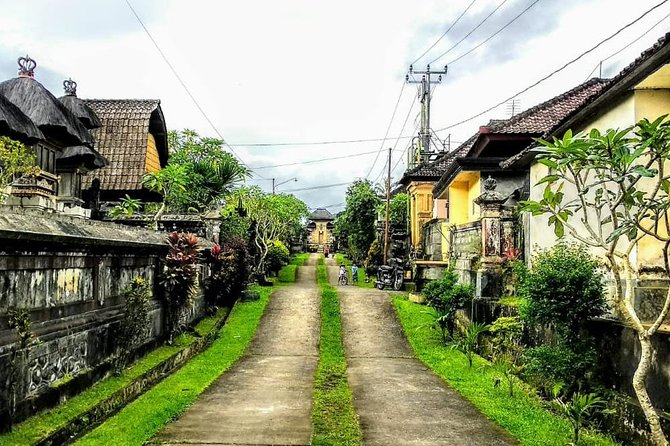
Ubud is a good base for art, food, and temple visits, but its center can feel busy and highly arranged for visitors. Taro offers a quieter setting focused on family life and religious practice. It is a traditional Balinese village about 12 miles, or 18 kilometers, north of Ubud.
That distance matters. You are not simply walking from one Ubud attraction to the next. The included two-way private transfer keeps the outing practical, especially if you do not have a scooter or prefer not to navigate Bali roads yourself.
Your day starts with pickup by a driver who takes you to the village. The precise pickup time is not provided, so confirm it when booking. The experience ends back at the meeting point in Taro, but the included transfer is described as round-trip service from the Ubud area. Clarify the return arrangement if your hotel sits outside the usual pickup zone.
The setting is important here. The point is not to collect a long list of sights. You are visiting one village, meeting the family connected with the experience, and taking part in a few customs with guidance.
A few more Ubud trips worth weighing up
- All-Inclusive Ubud Private Tour
★ 5.0 · 14,344 reviews - Best of Ubud Full-Day Tour with Jungle Swing
★ 5.0 · 8,571 reviews - Ubud: Monkey Forest, Jungle Swing, Rice Terrace, and Water Temple
★ 5.0 · 7,160 reviews
Inside the traditional family compound
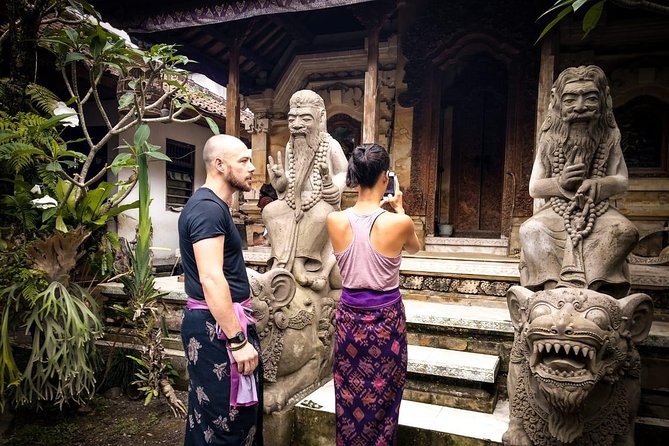
The first main stop is the family compound. Your local host leads you through the grounds and explains where different family members live. You also learn about the family temple, an important part of a Balinese Hindu household.
A compound visit gives you useful context that a temple photo stop cannot. You can see how religion connects with home life, family structure, and daily routines. The experience is built around explanation and participation rather than simply looking around.
The exact design of the compound is not described in detail, so you should not expect a fixed museum-style route. That is part of the appeal. The visit centers on the family’s own space, and the host explains how it is used.
You will also have traditional Balinese morning tea with the family. Coffee and tea are included, along with Bali cookies and other local nibbles. This is a small part of the experience, but it slows the morning down and creates time for conversation.
I like this social element because it gives the visit a more personal shape. You are not rushing between landmarks. You are sitting, eating something simple, and learning how the household functions.
Making Canang Sari offerings by hand
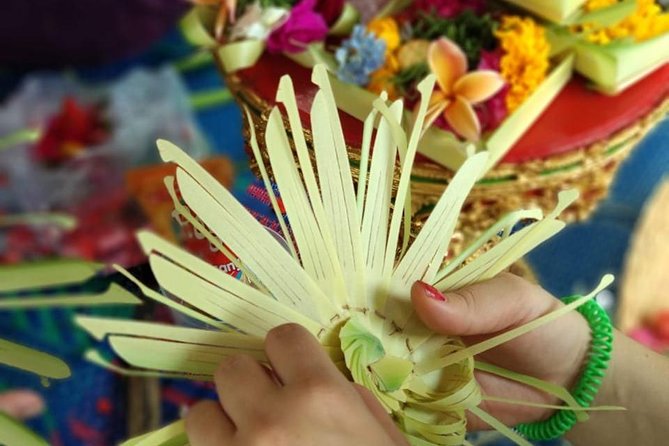
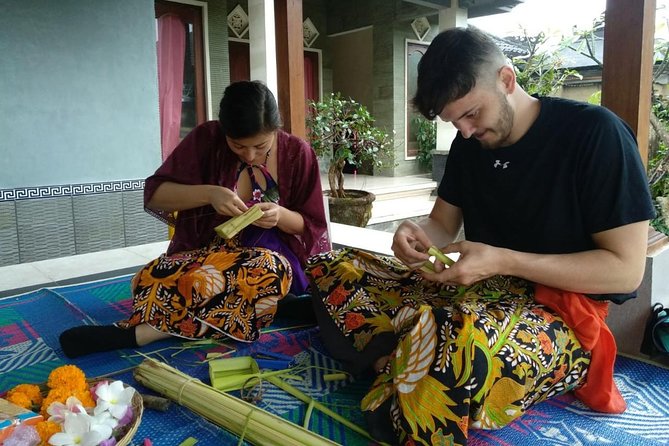
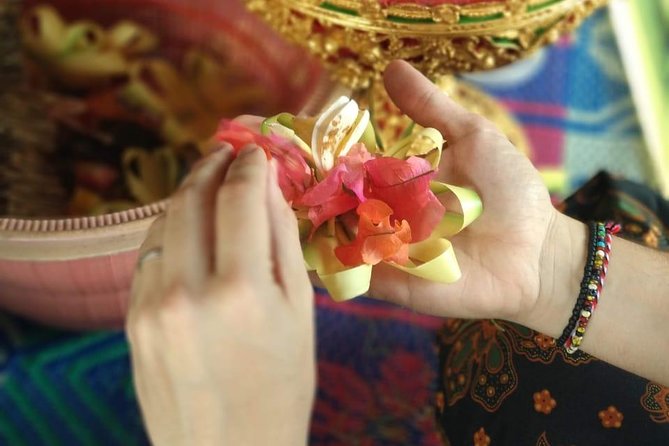
The most hands-on part of the experience is making Canang Sari, the small Balinese Hindu offerings used in daily worship. You are taught how to prepare them, and the offerings made earlier are later used during the blessing ceremony.
This connection between the morning activity and the temple visit is a strong feature. You are not making a craft to take home. You are preparing something with a purpose within the religious ceremony that follows.
The supplied details also indicate that you may learn to make two different types of offerings. The specific designs are not identified, so you should ask your host what you will be preparing on the day.
For you, this activity is likely to be most rewarding if you enjoy learning by doing. If you prefer a fast schedule filled with major sights, the careful offering-making process may feel slow. It is not a performance or a staged cultural show. Its value comes from taking the time to understand a modest daily practice.
You should handle the activity respectfully. Balinese offerings are part of active religious life, not just decorative objects. Listen to the instructions, follow the host’s lead, and avoid treating the process like a souvenir-making workshop.
Receiving a blessing at the holy water site
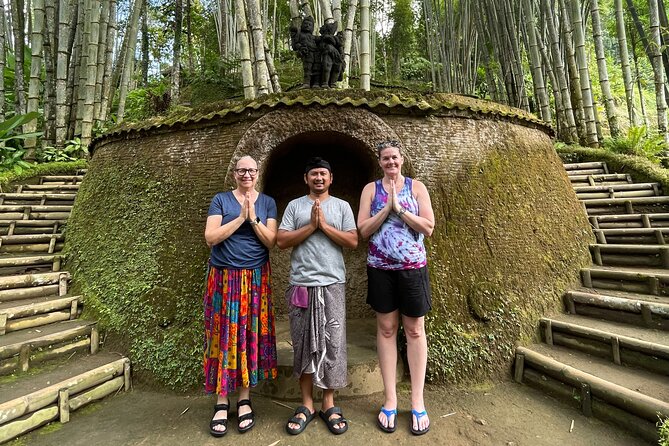
After the family compound and offering activity, you visit a sacred holy water site. Here, you can take part in a traditional Hindu blessing and cleansing ritual.
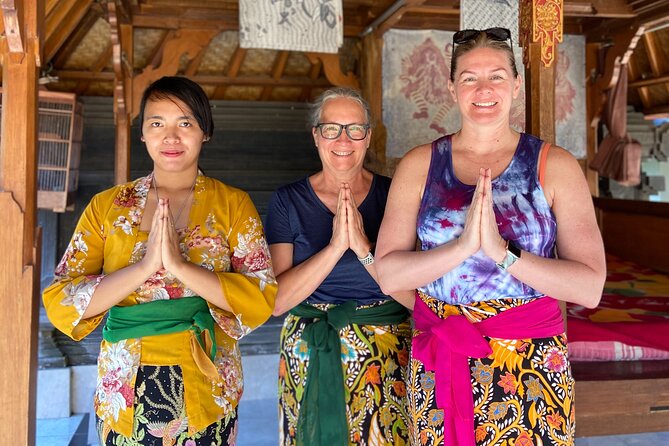
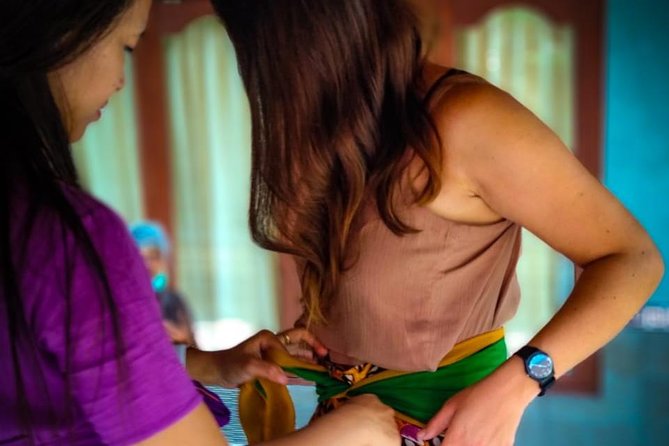
You will be dressed in a sarong and sash before entering the site. This clothing is mandatory for entry, and a Balinese sarong is included. If you choose to take part in the cleansing ritual, you can change into swimwear or clothes that may get wet.
The wording makes the water ritual optional, which is useful. You can participate according to your comfort level and ask the host how the ceremony works before entering the water. The offerings you prepared earlier are used in the blessing, tying the two parts of the experience together.
This is a religious site, so respectful behavior matters. Wear or accept the provided sarong and sash, follow directions, and keep the mood serious. You may want to bring a change of clothes if you plan to get wet, since the tour information specifically advises changing into swimwear or clothes that can handle water.
The small entrance fee or donation at the holy water temple is not included. Bring cash for it. The exact amount is not provided, so ask your host or driver before the visit rather than arriving unprepared.
A completely different kind of day out in Ubud:
- Best of Ubud 1-Day Private Tour
★ 5.0 · 4,451 reviews - Bali: Ubud Palace Legong Dance Show Ticket
★ 4.4 · 3,979 reviews - Uluwatu Sunset, Kecak Dance, and Dinner Jimbaran Beach
★ 5.0 · 3,681 reviews - Tanah Lot and North Bali Tour: Scenic Journey
★ 5.0 · 3,620 reviews
What the two-hour timing means
The experience is advertised as about two hours, while the description also uses half-day language. I would plan around the two-hour estimate unless the provider confirms a longer schedule.
Two hours is enough for a focused visit to the family compound, tea, offering-making, and the holy water ceremony. It is not enough for a long village walk, a leisurely meal, and several extra sights.
The compact timing can be an advantage. You can fit the experience into a morning without giving up an entire day in Ubud. It also makes the tour suitable for a short stay or for a day when you already have other plans.
The tradeoff is that there may not be much spare time. If you enjoy stopping for extended conversation, taking many photos, or asking detailed questions about Balinese Hinduism, you may wish the schedule were longer. Ask about the expected pickup, activity, and return times before you pay.
Lunch is not included. Since snacks and tea are provided but lunch is excluded, plan to eat before or after the tour. The provider also says the experience can be combined with a cooking class, coconut oil class, silver class, or evening fireflies. Those additions are separate options, so confirm the extra price and time before adding them.
The value of the $35 price
At $35 per person, this experience offers good value if you want a private cultural visit rather than a simple transfer to a temple. The price includes round-trip private transportation from the Ubud area, a local host, tea or coffee, Bali cookies, and a sarong.
Private transport is the largest practical benefit. A cheaper public option may exist, but reaching Taro and returning without your own transport could take more effort. Here, you pay for convenience as well as the village activities.
The private format is also useful for families, couples, and small groups. Only your group takes part, so you do not have to match the pace of a large tour. You can ask questions about the compound, offerings, and blessing without competing with a crowd.
The price is not all-inclusive. You still pay for the holy water temple entrance or donation, and you must arrange lunch separately. Those costs should not be large surprises, but they belong in your budget.
I would consider the tour a fair choice for someone who values personal contact and cultural explanation. It is less compelling if you only want a scenic drive, a big temple, or a full-day itinerary packed with stops.
Who will enjoy this Taro village visit
I would recommend it to you if you want to see how Balinese Hindu customs fit into family life. The offering activity and compound tour give you more to do than simply observe a ceremony.
It is especially suitable for:
- Couples looking for a private cultural activity near Ubud
- Families who want a short, hands-on experience
- First-time visitors who want basic context about Balinese Hinduism
- People who prefer a local household setting to a large organized attraction
- Anyone without a scooter who wants transport arranged from the Ubud area
You should think twice if you do not want to enter a religious site, wear a sarong, or take part in a water ritual. The ceremony is optional, but the sarong and sash are required for entry.
The experience may also be less suitable if you need a fully structured schedule with exact times and a long list of inclusions. Some details, including the precise pickup time and temple fee, are not provided in advance.
Practical tips for a smoother visit
Bring cash for the holy water site. The fee or donation is not included, and card payment is not mentioned.
Wear comfortable clothing that can work under a sarong. If you plan to join the cleansing ritual, bring swimwear or clothes that may get wet, plus a change of clothes.
Keep your schedule flexible around the two-hour estimate. The tour description uses both half-day and two-hour language, so ask the provider to confirm the actual duration.
Expect snacks, not a meal. Bali cookies and morning tea or coffee are included, but lunch is not.
Use the private format to ask questions. You can ask about the family temple, the people living in the compound, the meaning of the offerings, and the steps of the blessing. The experience becomes more useful when you treat it as a conversation rather than a photo stop.
The experience has a 4.9 rating from 18 reviews, with 100 percent recommending it. The strongest praise centers on the personal welcome, the cultural content, and the rare chance to learn two types of offerings in a family setting. No guide names are provided, so I cannot point you to a particular host by name.
Booking and cancellation details
Confirmation is provided at booking, and the experience is private for your group. Most people can take part, though anyone with mobility, health, or water-related concerns should ask the provider for specific advice before reserving.
The meeting point is Delodsema Traditional Village on Tegallalang Delodsema Road in Taro, Tegallalang, Gianyar Regency. The activity itself ends back at that meeting point.
You can cancel for a full refund if you do so at least 24 hours before the local start time. Cancellations or changes made inside that 24-hour window are not accepted for a refund.
Should you book the Bali Traditional Village Experience?
Book it if you want a short, personal introduction to Balinese Hindu customs and value the ease of private transport from Ubud. The best parts are the family compound, the hands-on Canang Sari activity, and the way those offerings are used in the later blessing.
The $35 price is sensible for a private visit with transport, tea, snacks, and a sarong. Just remember that the temple donation and lunch cost extra, and confirm the schedule because the experience is described both as half-day and about two hours.
Skip it if you are mainly looking for grand architecture, a full meal, or a packed sightseeing day. Choose it when you want a respectful, small-scale meeting with village life, and you are willing to give the religious setting your attention.
FAQ
Where is the Bali Traditional Village Experience located?
It takes place in Taro, Tegallalang, in Gianyar Regency, Bali. The meeting point is Delodsema Traditional Village on Tegallalang Delodsema Road.
How far is Taro from Ubud?
Taro is about 12 miles, or 18 kilometers, north of Ubud.
How long does the experience last?
The stated duration is approximately two hours. The description also refers to the activity as a half-day experience, so confirm the exact schedule when booking.
Is transportation from Ubud included?
Yes. Two-way private transfers from an address in the Ubud area are included.
What activities are included?
You visit a traditional family compound, learn about the family temple, enjoy tea or coffee and Bali cookies, make Canang Sari offerings, and visit a sacred holy water site for a Hindu blessing.
Do I have to take part in the water cleansing ritual?
No. The cleansing ritual is presented as an optional activity. You can change into swimwear or clothes that may get wet if you choose to participate.
Is the holy water temple entrance fee included?
No. A small entrance fee or donation is payable in cash at the holy water temple.
What is included in the $35 price?
The price includes the private experience, two-way Ubud-area transfers, Bali cookies, coffee or tea, and a Balinese sarong. Lunch and the holy water temple fee are not included.
Just added around Ubud
- Private Bali UTV Adventure★ 5.0 · 3 reviews
- Bali Culture Tour★ 5.0 · 3 reviews
- Sidemen Highlights Day Tour★ 5.0 · 3 reviews
- Forest Dining at Tree Deck overlooking lush valley of Ubud★ 5.0 · 3 reviews
- Bali: Nusa Lembongan Snorkeling-Island Tour Daytrip-All Inclusive★ 5.0 · 3 reviews
- Private Guided Bali Car Charter★ 5.0 · 3 reviews
- East Bali and Lempuyang Temple Tour★ 5.0 · 3 reviews
- Best ATV Quad Bike: Fun ADVENTURE★ 5.0 · 3 reviews
Ubud Tours, compared.


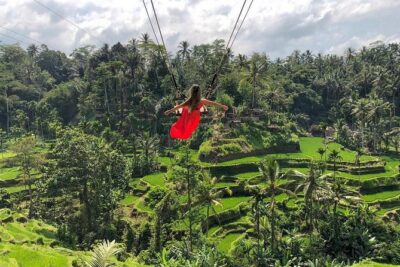
Monkey Forest, Jungle Swing, Rice Terrace, and Water Temple
Read our review →
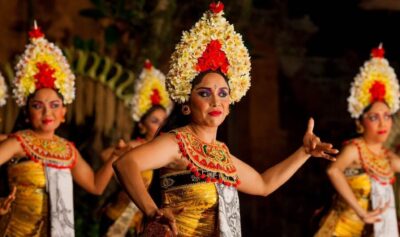

Uluwatu Sunset, Kecak Dance, and Dinner Jimbaran Beach
Read our review →
Tanah Lot and North Bali Tour: Scenic Journey
Read our review →